What's The Big News?
For as long as most of us can remember, Hero MotoCorp has been the unchallenged champion of India’s massive two-wheeler market. Think of it – the Splendor, the Passion – these names are practically etched into the fabric of our daily commutes. They’ve dominated sales charts for what feels like an eternity, holding that top spot with an iron grip.
But guess what? The winds of change are blowing, and they’re blowing hard right into Hero’s backyard. Honda Motorcycle & Scooter India (HMSI) isn't just catching up; they're on the verge of overtaking Hero, potentially rewriting the history books of India's two-wheeler industry. This isn't just about market share percentages; it's about a shift in consumer preference, product strategy, and the very future of how we commute.
Honda's Master Plan: The Activa & Beyond
Honda hasn't just been playing the long game; they've been playing it with remarkable consistency and precision. Their biggest weapon? The Activa. It's not just a scooter; it's practically a household name, the default choice for millions of Indian families. Year after year, it continues to outsell pretty much everything else on two wheels, cementing Honda's dominance in the scooter segment. Honestly, their focus on reliability and fuel efficiency in scooters has been a masterstroke, and honestly, it shows.
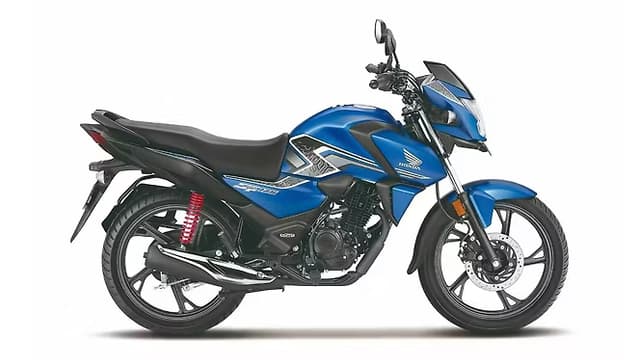
But it's not just the Activa driving this surge. Honda's commuter motorcycle range, especially the Shine 125, has quietly but steadily gained ground against Hero's traditional strongholds. They've been expanding their dealer network, improving service, and offering a diverse portfolio that caters to everyone from college students to daily wage earners. Their strategy seems to be a two-pronged attack: consolidate scooter leadership while aggressively pushing into the lucrative commuter motorcycle space, all while building a reputation for Japanese reliability that's hard to beat.
Hero's Road Ahead: Challenges and Opportunities
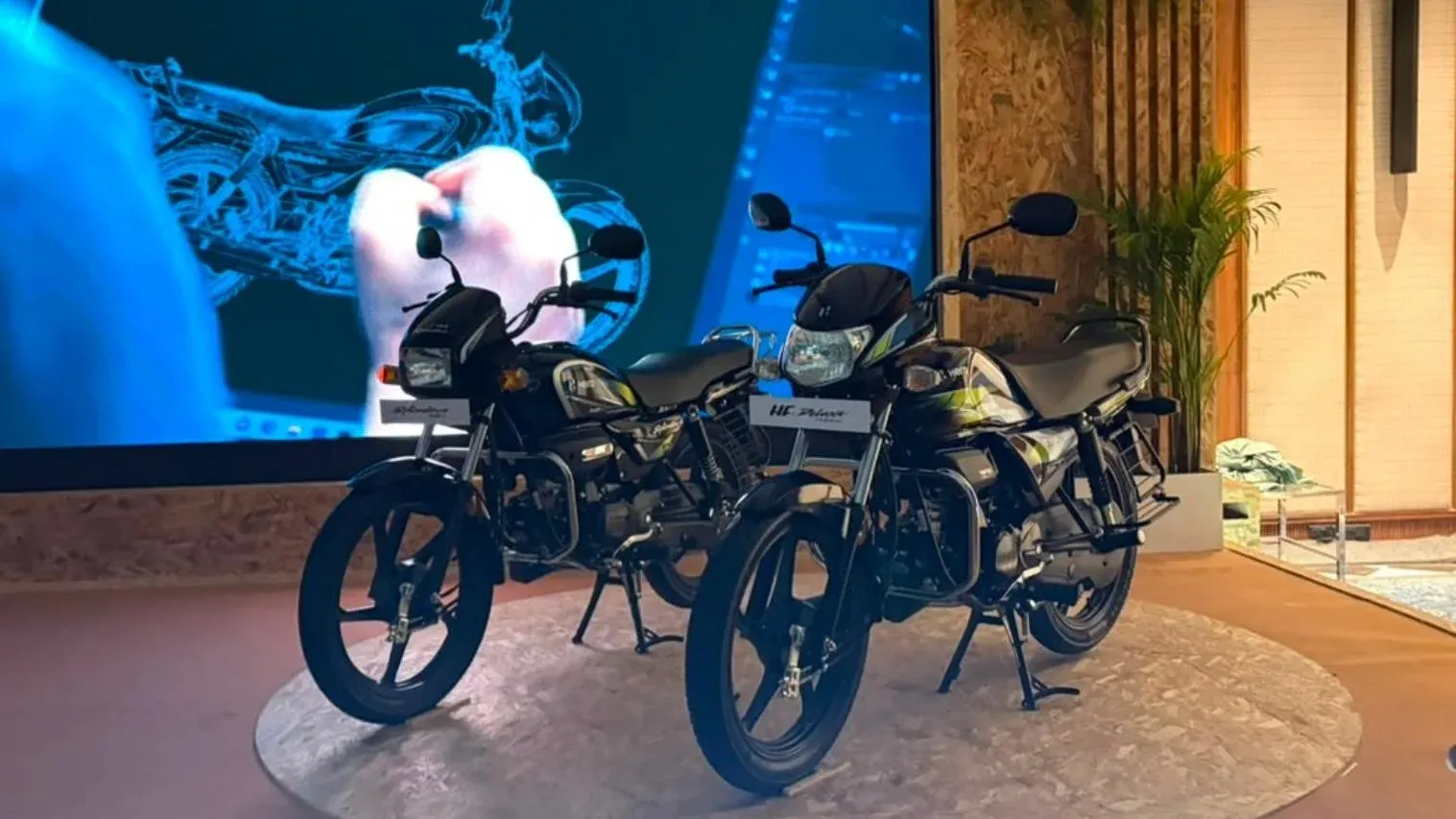
Hero MotoCorp's legacy is built on its robust 100-125cc commuter motorcycles. The Splendor, in particular, is an absolute legend – affordable, rugged, and ridiculously fuel-efficient. It’s been the backbone of rural and semi-urban India for decades, offering unmatched value for money. They've nailed the 'fill it, shut it, forget it' philosophy better than anyone else, especially for those who save up for years to buy their dream bike.
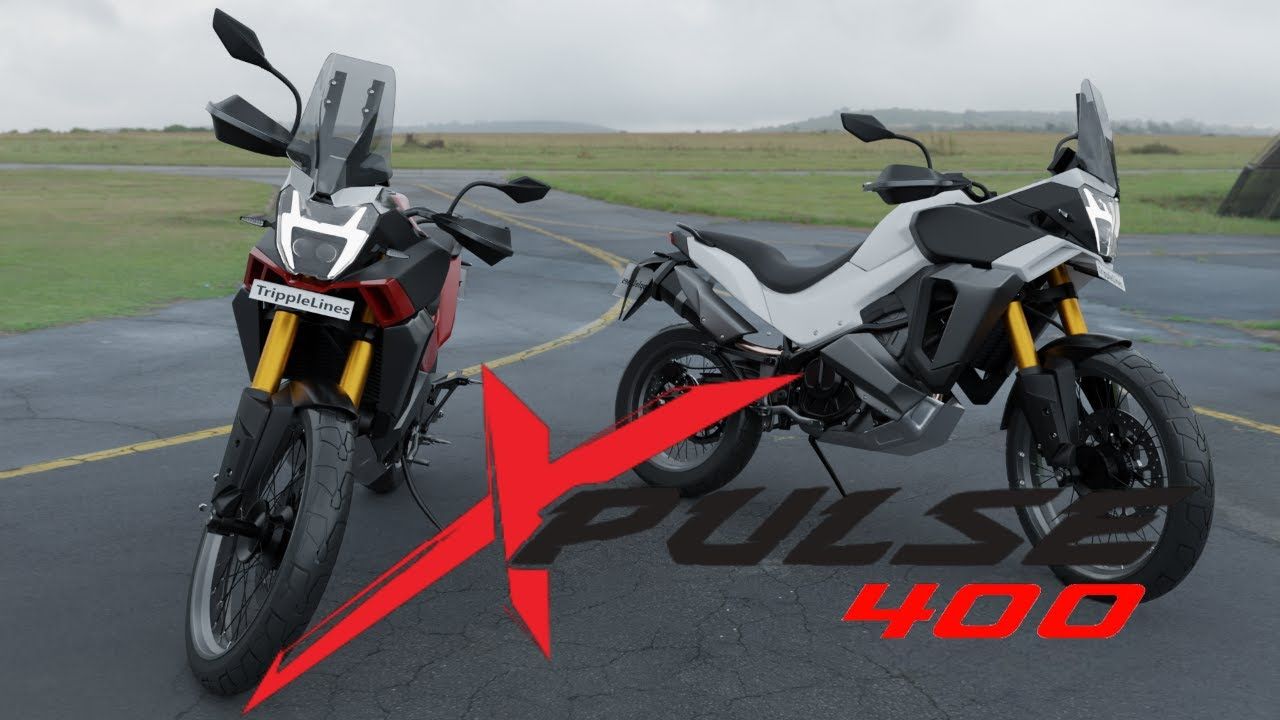
However, the market is evolving, and Hero seems to be facing a few speed bumps. While they still dominate the entry-level motorcycle segment, their presence in the scooter market isn't as strong as Honda's. More crucially, they've been a bit slower to adapt to the premium motorcycle and electric vehicle (EV) segments, which are rapidly gaining traction. Young buyers today are looking for more than just basic commuting; they want features, style, and increasingly, sustainable options. Hero has launched products like the Xpulse series and their Vida EV brand, but they're playing catch-up in these crucial new battlegrounds. The challenge for Hero is to innovate faster without losing touch with their core strength – the reliable, no-nonsense commuter.
Key Contenders: Honda vs. Hero (Popular Models)
To understand this market battle, let's look at some of the most popular models from both stables that are directly competing for your hard-earned money.
Model | Engine Displacement | Max Power (approx.) | Max Torque (approx.) | Key Segment |
|---|---|---|---|---|
109.51cc | 7.73 hp | 8.90 Nm | Scooter | |
Honda Shine 125 | 123.94cc | 10.74 hp | 11.0 Nm | Commuter Bike |
97.2cc | 7.91 hp | 8.05 Nm | Commuter Bike | |
Hero Glamour 125 | 124.7cc | 10.72 hp | 10.6 Nm | Commuter Bike |
How Does It Stack Up Against The Competition?
This isn't just about two brands; it's about two very different strategies clashing head-on. Honda's strength lies in its diverse portfolio and a relentless focus on quality and refinement. They've practically cornered the scooter market, giving them a steady revenue stream, and are now using that leverage to make deeper inroads into motorcycles. Their brand perception is of a premium, reliable product, even in the commuter segment. For the price of a decent mid-spec smartphone, you're getting a Honda that's built to last.
Hero, on the other hand, excels at understanding the pulse of the value-conscious Indian buyer. Their bikes are rugged, easy to maintain, and offer incredible mileage – crucial factors for someone who's stretching every rupee. Where Hero needs to catch up is in product diversification and staying ahead of the tech curve. While Honda has been quick to introduce features like silent start and external fuel filler caps, Hero's innovation has sometimes felt a step behind. The competition isn't just about horsepower; it's about package, features, and future-proofing.
The Good And The Not-So-Good
What We Like (about Honda's market strategy)
- Consistent Quality: Honda’s reputation for reliability and smooth engines is unmatched.
- Scooter Dominance: The Activa's success provides a strong foundation and brand recall.
- Broad Portfolio: From basic commuters to premium offerings like the H'ness CB350, they're expanding their reach.
- Service Network: Growing and increasingly efficient, offering peace of mind to buyers.
What Could Be Better (for Hero MotoCorp)
- Premium Segment Lag: Needs stronger, more aspirational products to attract younger buyers.
- EV Adoption: While Vida is here, the market is moving fast, and they need to accelerate.
- Scooter Presence: Despite products like the Destini and Maestro, they haven't matched Honda's scooter volume.
- Innovation Pace: Could be quicker to introduce new features and technologies across their core range.
Price & When You Can Buy It
Both Honda and Hero offer a wide spectrum of two-wheelers, with pricing strategies designed to capture different segments. Honda's popular Activa 6G starts from approximately ₹76,000 (ex-showroom, Delhi), while the Shine 125 begins around ₹80,000. Hero's legendary Splendor Plus kicks off at an even more accessible ₹75,000, and the Glamour 125 starts from about ₹83,000 (all prices are approximate ex-showroom figures and subject to change). Both brands have extensive dealer networks, meaning you can walk into a showroom pretty much anywhere in India today and ride away with a new bike or scooter.
The current models are readily available, and while there aren't any revolutionary new products driving this specific market shift, it's the consistent performance and strategic pricing of their existing lineups that are making all the difference. Expect both companies to continue offering competitive finance options and seasonal discounts to keep the sales momentum going.
Our Verdict
Look, this isn't just a statistical blip; it's a significant moment in India's two-wheeler story. Hero MotoCorp has had an incredible run, building trust with generations of riders through sheer reliability and value. But Honda's disciplined, quality-first approach, especially with the Activa and the growing Shine family, has steadily chipped away at that lead. The market is maturing, and while the budget commuter segment will always be crucial, there's a growing demand for more refined, feature-rich, and even electric options.
Here's the thing — for the Indian buyer, this intensifying competition is nothing but good news. It pushes both giants to innovate, offer better products, and provide more value. Whether Honda takes the crown or Hero manages a spectacular comeback, one thing's for sure: we, the consumers, are the real winners in this high-stakes race for market dominance.