What's The Big News?
Alright folks, Arman here, and trust me, when a legend makes a comeback like this, you sit up and take notice. The Bajaj Chetak, India's original scooter icon, has just crossed a staggering 10-lakh unit sales milestone! Yes, you heard that right — a cool million Chetaks are now out on our roads, and honestly, it shows how much the EV game is changing.
This isn't just a number; it's a statement. Remember when the Chetak EV first rolled out? It was a bit of a slow burn, taking its sweet time to find traction. But now, it's not just running, it's absolutely sprinting. We're talking over 4.12 lakh units sold just this year alone, and October was its best month ever. That's some serious momentum, proving Bajaj has really cracked the code for the Indian electric scooter buyer.
The Chetak's Electric Comeback Story
Here's the thing — when Bajaj brought back the Chetak nameplate as an EV, there was a lot of nostalgia but also a lot of skepticism. Could an electric scooter live up to such a legacy? Initially, sales were decent, but they weren't blowing the doors off. Fast forward a few years, and Bajaj has clearly put in the work. They've refined the product, understood the market, and built a robust dealer network.
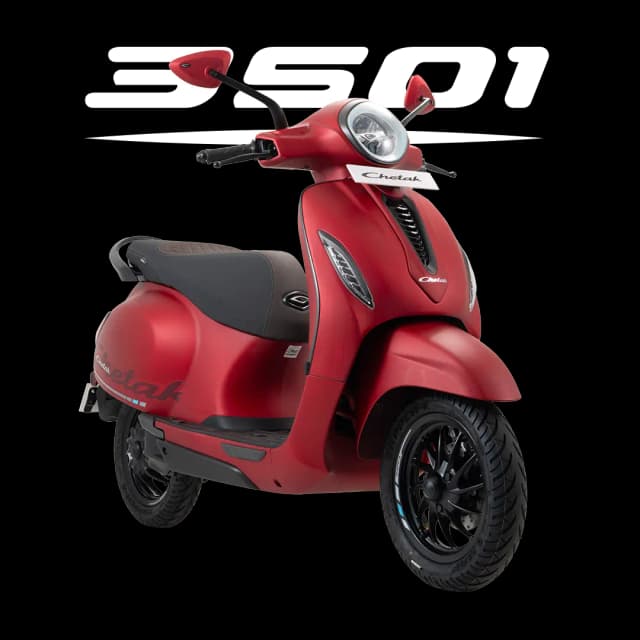
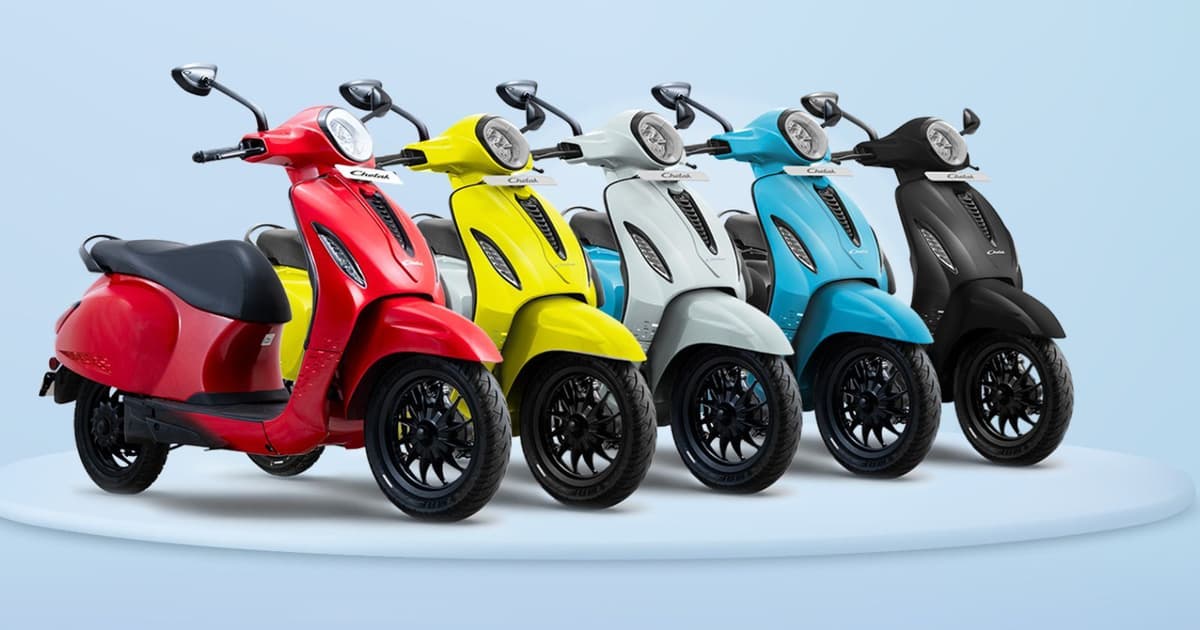
This isn't just about throwing an electric motor into a familiar shell; it's about building trust. Indian buyers are smart; they're not just looking for a green badge. They want reliability, good range, and a scooter that feels substantial. The Chetak, with its all-metal body and classic design cues, offers that premium feel many buyers are looking for, especially when compared to some of the plastic-fantastic options out there. It’s got that old-school Bajaj durability feel wrapped in modern tech, and people are finally seeing that value.
Market Impact: Shaking Up The EV Scooter Segment
A 10-lakh sales figure isn't just good for Bajaj; it's a huge shot in the arm for the entire electric two-wheeler segment in India. It tells us that despite range anxiety and charging infrastructure concerns, consumers are ready to make the switch if the product is right. The Chetak's recent surge, especially those 4.12 lakh units this year, is eating into the market share of other players and pushing everyone to innovate harder.
This kind of volume also brings down costs in the long run, from battery packs to components, making EVs more accessible. It forces competitors to up their game in terms of features, performance, and most importantly, service. For a segment that's still relatively young, having a big player like Bajaj hit such a milestone validates the entire EV ecosystem, showing that electric mobility isn't just a niche anymore; it's becoming mainstream. It's a clear signal that the future, or at least a significant part of it, is electric.
Specs At A Glance
While this milestone is about sales, it's worth reminding ourselves what the current Bajaj Chetak offers:
Feature | Specification (Current Model) |
|---|---|
Motor Type | BLDC Motor |
Peak Power | 3.8 kW |
Battery Capacity | 2.9 kWh (IP67-rated) |
Claimed Range (IDC) | 108 km |
Top Speed | 63 km/h |
Charging Time | Approx. 4-5 hours (0-100%) |
Brakes | Front Disc, Rear Drum (CBS) |
Suspension | Front Trailing Link, Rear Monoshock |
Kerb Weight | 133 kg |
Connectivity | Bluetooth (via Chetak App) |
Lights | All-LED |
How Does It Stack Up Against The Competition?
Look, the Chetak isn't the fastest, nor does it have the biggest screen, but it holds its own. Against rivals like the Ola S1 Pro, TVS iQube, and Ather 450X, the Chetak offers a different flavour. While Ola and Ather often focus on cutting-edge tech and raw performance, the Chetak leans into its heritage with a robust build and a more understated, mature design.
Compared to the Ola S1 Pro, the Chetak feels more traditional and perhaps less 'future shocky'. The S1 Pro often boasts higher range and speed, but some buyers prefer the Chetak's solid, familiar feel. Against the TVS iQube, which is also a strong contender in the family scooter segment, the Chetak often wins on perceived build quality and that all-metal body. The Ather 450X is the sporty one, no doubt, but its premium pricing might push some towards the more accessible Chetak or iQube. Honestly, the Chetak finds its niche with those who want a reliable, good-looking electric scooter without necessarily chasing the absolute peak performance numbers.
The Good And The Not-So-Good
What We Like
- Premium Build Quality: That all-metal body feels substantial, a rarity in this segment now.
- Classic Design: Timeless appeal that stands out from the crowd of futuristic-looking EVs.
- Reliable Performance: Smooth, predictable power delivery perfect for city commutes.
- Established Brand: Bajaj's wide service network is a big plus for peace of mind.
- Strong Sales Momentum: Indicates growing customer confidence and satisfaction.
What Could Be Better
- Range: While adequate for most city runs, some rivals offer more km on a single charge.
- Top Speed: Could be higher for highway stretches, but it’s primarily a city commuter.
- Feature Set: Lacks some of the more advanced, 'smart' features found on competitors.
- Charging Time: Still takes a few hours for a full charge; faster charging options would be welcome.
Price & When You Can Buy It
The Chetak is already available across Bajaj dealerships, and this milestone only solidifies its presence. Pricing for the current Chetak models typically starts around the ₹1.23 lakh mark (ex-showroom), varying slightly by city and variant. It's positioned as a premium electric scooter, offering a blend of heritage, quality, and modern tech for the price of a mid-spec Swift, if you think about it.
Given the strong sales, Bajaj isn't likely to mess with a winning formula too much, but we might see minor updates or new variants to keep the momentum going. If you're looking to buy, it's readily available, so head to your nearest Bajaj showroom and take it for a spin!
Our Verdict
The Bajaj Chetak hitting 10 lakh units isn't just a sales report; it's a testament to resilience, smart strategy, and understanding the pulse of the Indian commuter. It proves that sometimes, a classic approach with modern engineering can win hearts even in the cut-throat EV market. It took its time, yes, but it found its rhythm, and now it’s setting benchmarks. In my opinion, Bajaj has not only revived a legend but has also carved a significant path for electric mobility in India with the Chetak.