What's The Big News?
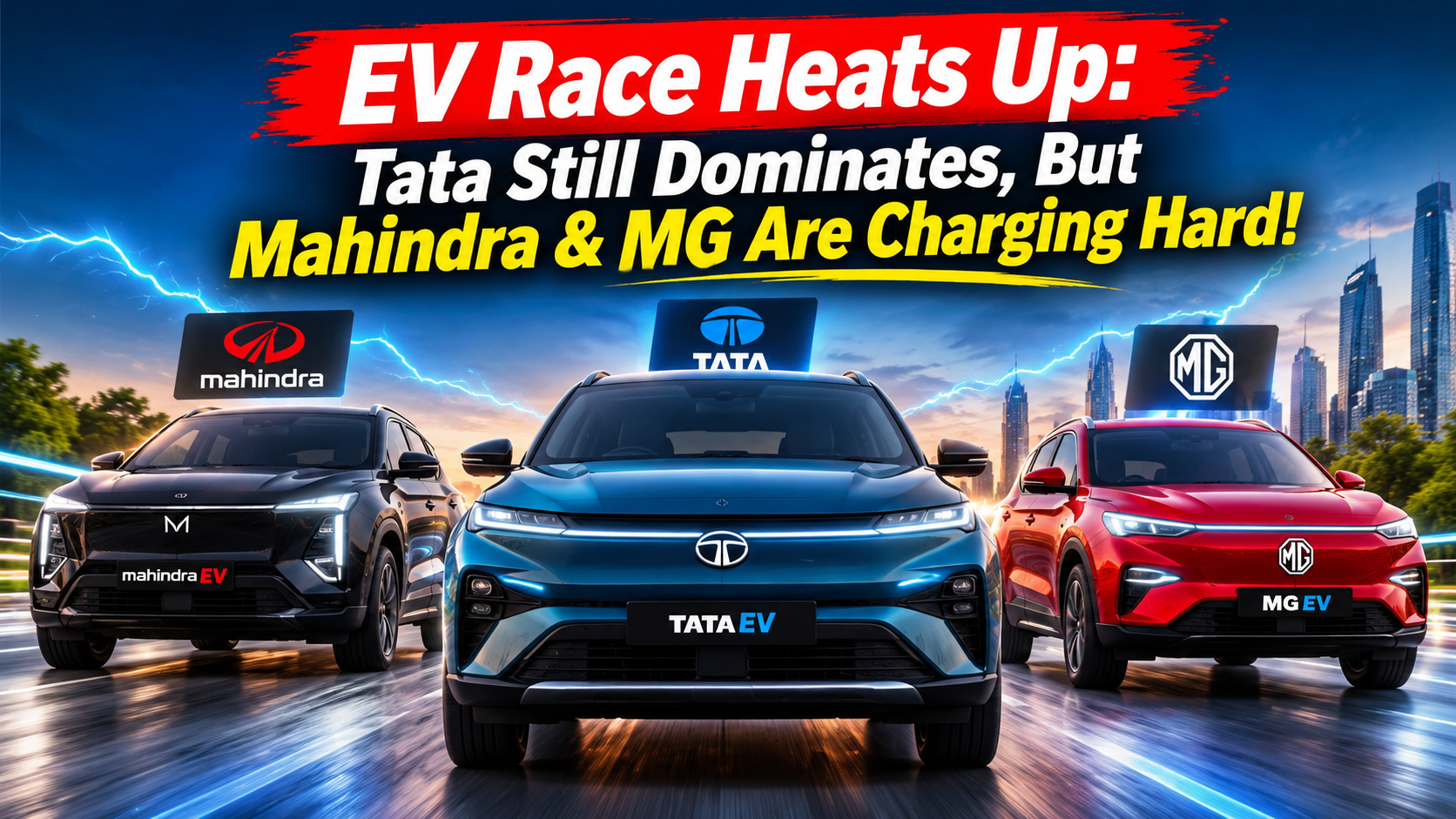
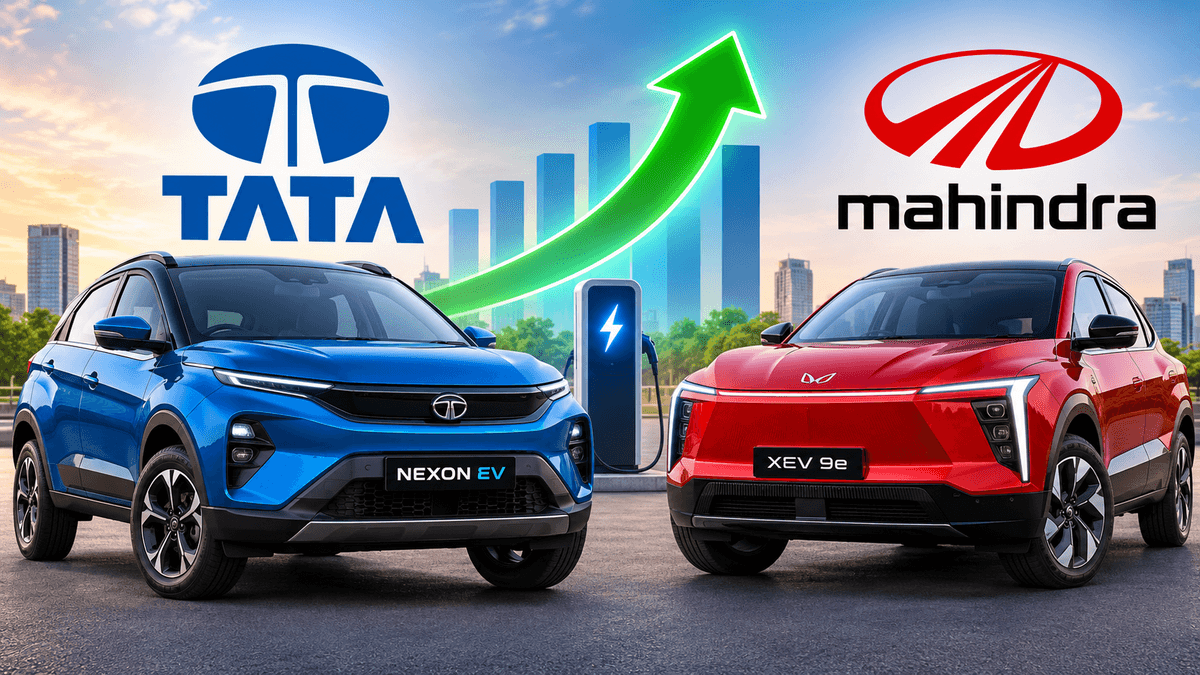
Alright folks, here's a headline that's been buzzing around the office at CarBikeGPT.com: Tata Motors isn't just selling EVs, they're absolutely dominating the electric passenger vehicle space, and that's driving their overall lead in the market. We're talking about a significant gap opening up between them and traditional rivals like Mahindra, who've also got big EV ambitions. It's a proper David vs. Goliath story, but this time, David came prepared with a whole arsenal of electric slingshots.
For years, Maruti has been the undisputed king of Indian roads, but this shift signals something monumental. Tata's calculated gamble on EVs a few years ago is now paying dividends, pushing them ahead in the broader passenger vehicle segment. This isn't just about eco-friendly choices; it's about a strategic masterstroke that's reshaping the entire Indian automobile landscape, and honestly, it shows.
Tata's Electric Offensive: What's Working?
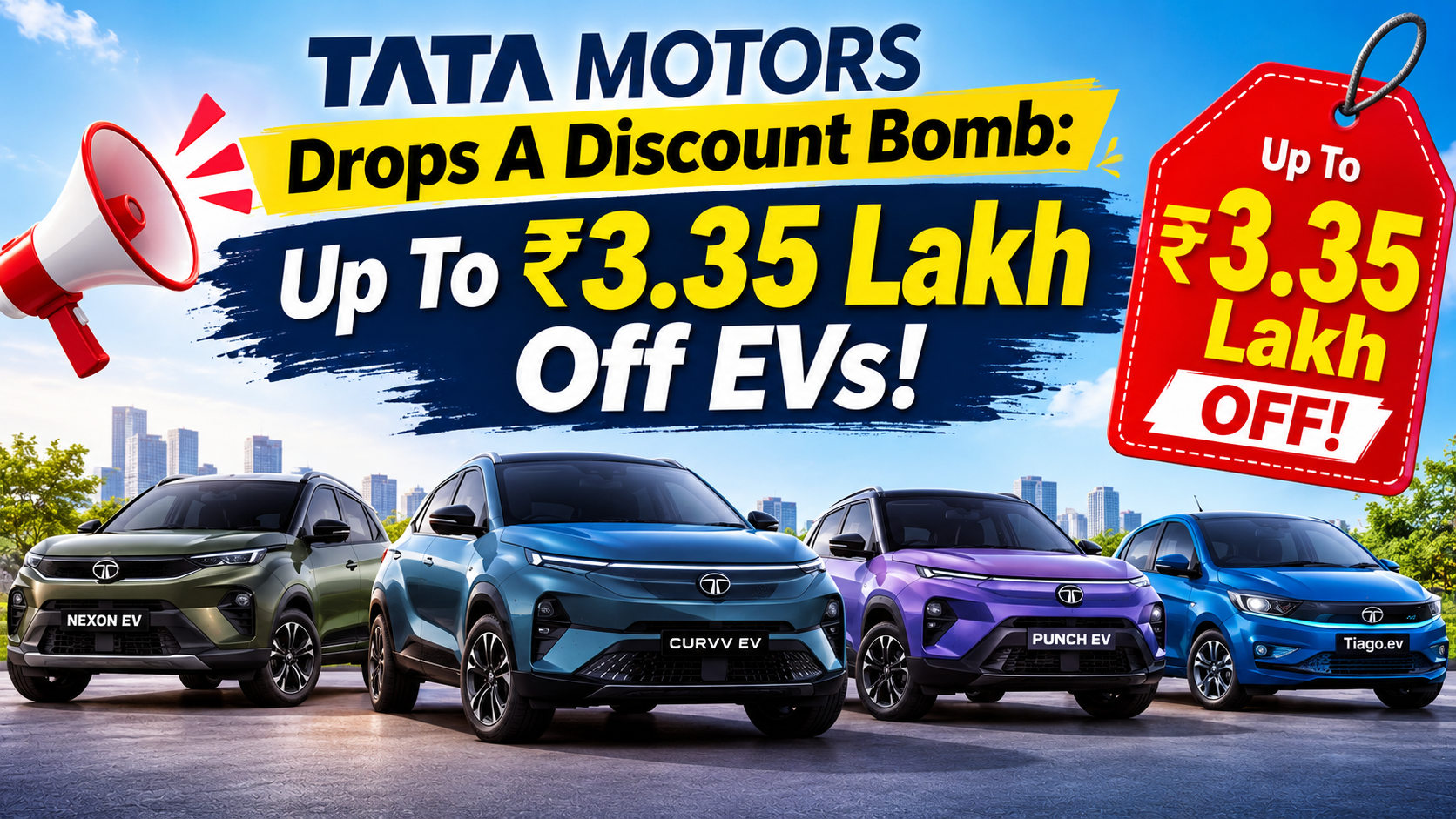
So, how's Tata pulling this off? It's not just one thing, it's a combination of smart pricing, a focus on accessible technology, and, crucially, being first movers in key segments. They didn't wait for the market to mature; they built it. The nexon-ev">Nexon EV, for example, came out when many were still scratching their heads about electric cars. It offered a familiar SUV form factor, decent range for city commutes, and a price tag that, while not cheap, was within reach for many looking to make the electric switch.
Then came the tiago-ev">Tiago EV, which literally brought EVs down to the price of a mid-spec Swift. That was a game-changer, wasn't it? Suddenly, an electric car wasn't a luxury item anymore; it was a genuine alternative for your everyday hatchback buyer. They've focused on understanding the Indian consumer's range anxiety and charging concerns, slowly building out a charging infrastructure alongside their vehicle launches. This holistic approach has really cemented their position.
The EV Market Race: Mahindra's Play and What's Next
Now, it's not like Mahindra isn't in the game. They've got their XUV400 EV, which is a commendable effort, packing a punch in terms of performance and features. But they were a bit late to the party, and Tata had already captured a significant chunk of the early adopters. Mahindra's strategy seems to be more focused on larger, more premium electric SUVs, which is a different segment altogether, but it means they're playing catch-up in the mass-market EV space where Tata thrives.
The competition is only going to heat up. We're seeing more players enter the EV arena, and that's fantastic news for us, the consumers. But Tata's early lead means they've got the market momentum, the brand recognition, and a deeper understanding of what works (and what doesn't) on Indian roads. It'll be interesting to see how Mahindra counters this with their upcoming Born Electric range, but they've got some serious ground to cover.
Key Tata EV Lineup Highlights
To give you a better idea of what's driving Tata's success, here are some highlights from their popular EV models:
Model | Battery Pack (Approx.) | Claimed Range (Approx.) | Key Feature |
|---|---|---|---|
Nexon EV Max/Long Range | 40.5 kWh | 453 km (ARAI) | Established market leader, multiple variants |
Nexon EV Prime/Medium Range | 30.2 kWh | 312 km (ARAI) | Accessible entry point into SUV EVs |
Tiago EV | 19.2 kWh / 24 kWh | 250 km / 315 km (ARAI) | Most affordable EV hatchback in India |
25 kWh / 35 kWh | 315 km / 421 km (ARAI) | Micro-SUV appeal, strong city performer |
These figures are from official ARAI tests, so expect real-world numbers to be a bit lower depending on your driving style and conditions, as always.
How Does It Stack Up Against The Competition?
When you look at Tata's EV offerings against the competition, especially Mahindra's, it's a tale of two strategies. The Mahindra XUV400 EV is a strong contender, offering good power and a robust build, directly challenging the Nexon EV. It's often praised for its driving dynamics. However, Tata's strength lies in its wider portfolio and market penetration. You've got the Tiago EV covering the budget hatchback segment, the Nexon EV dominating the compact SUV space, and now the Punch EV making waves in the micro-SUV category. Mahindra currently has just the XUV400 EV playing in a similar space.
Other players like MG with their ZS EV and Comet EV, or Hyundai with the Kona Electric and Ioniq 5, tend to operate in slightly higher price brackets or niche segments. Tata has shrewdly focused on making EVs a mainstream option, providing choices across different price points and body styles. This broad appeal is something rivals are still working to match. It's not just about one good car; it's about a complete ecosystem and range.
The Good And The Not-So-Good
What We Like
- Aggressive Pricing Strategy: Tata has made EVs genuinely accessible, from the Tiago to the Nexon.
- First-Mover Advantage: They've captured significant market share by being early and consistent.
- Broad Portfolio: Options for different budgets and body styles means wider appeal.
- Growing Charging Network: Tata Power's widespread charging stations are a huge plus for ownership experience.
- Refined Products: Newer models like the Punch EV show a significant step up in quality and features.
What Could Be Better
- Initial Quality Concerns: Early Tata EVs sometimes had fit-and-finish niggles, though this is improving.
- Range Anxiety Perception: While ranges are decent, convincing first-time buyers still requires effort.
- Charging Speeds: While DC charging is available, quicker charging options across their entire range would be beneficial.
- After-Sales Service: As EV volumes grow, ensuring consistent, high-quality service across the network is crucial.
Price & When You Can Buy It
Tata Motors has been quite transparent with their EV pricing, making it a key part of their strategy. The Tiago EV starts from roughly ₹8.00 lakh ex-showroom, going up to about ₹12.00 lakh for the top-end variant. The popular Nexon EV, in its various avatars (Prime, Max, Long Range), typically ranges from around ₹14.50 lakh to ₹19.50 lakh ex-showroom. The newer Punch EV is priced between ₹11.00 lakh and ₹15.50 lakh ex-showroom.
These models are readily available across Tata dealerships nationwide. You can walk into a showroom today, test drive one, and book your electric future. Of course, delivery times can vary based on demand and specific variant, but they're not some concept cars; they're production-ready, on-the-road vehicles. Pricing for any future models will be announced closer to their respective launches, but you can expect Tata to continue its aggressive, value-for-money approach.
Our Verdict
Look, the numbers don't lie. Tata Motors isn't just winning the EV race; they're practically running a solo marathon out there, leaving competitors gasping for breath. Their foresight to invest heavily in electric mobility years ago is now paying off handsomely, giving them a significant edge in the overall passenger vehicle market. For the average Indian buyer, this means more accessible, more reliable, and increasingly better-built EVs. They've truly democratized electric car ownership in India, and that's something worth applauding. Honestly, if you're thinking about an EV today, Tata has to be at the top of your shortlist because they've built a robust ecosystem, not just a car. They've earned that lead.