What's The Big News?
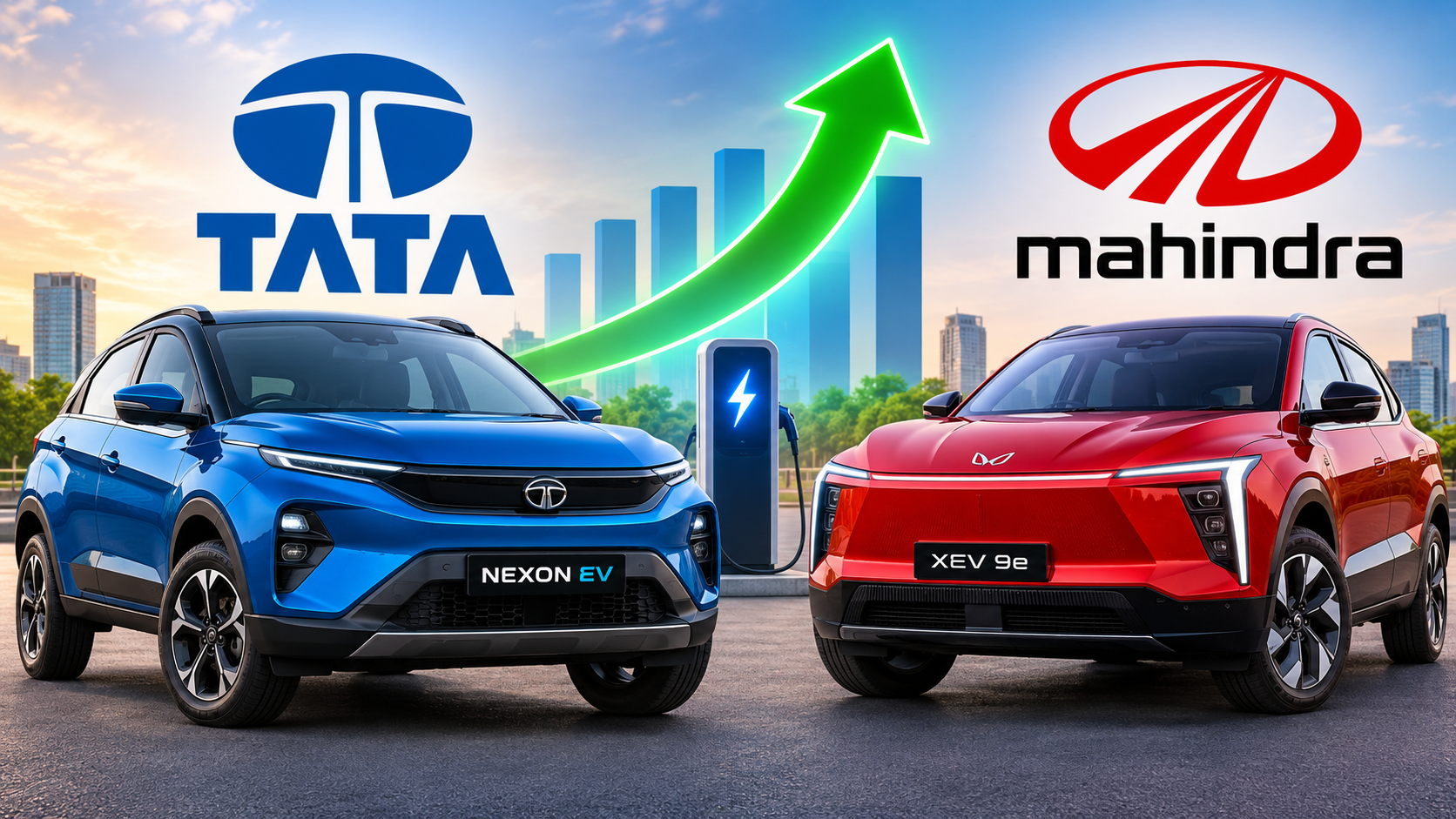
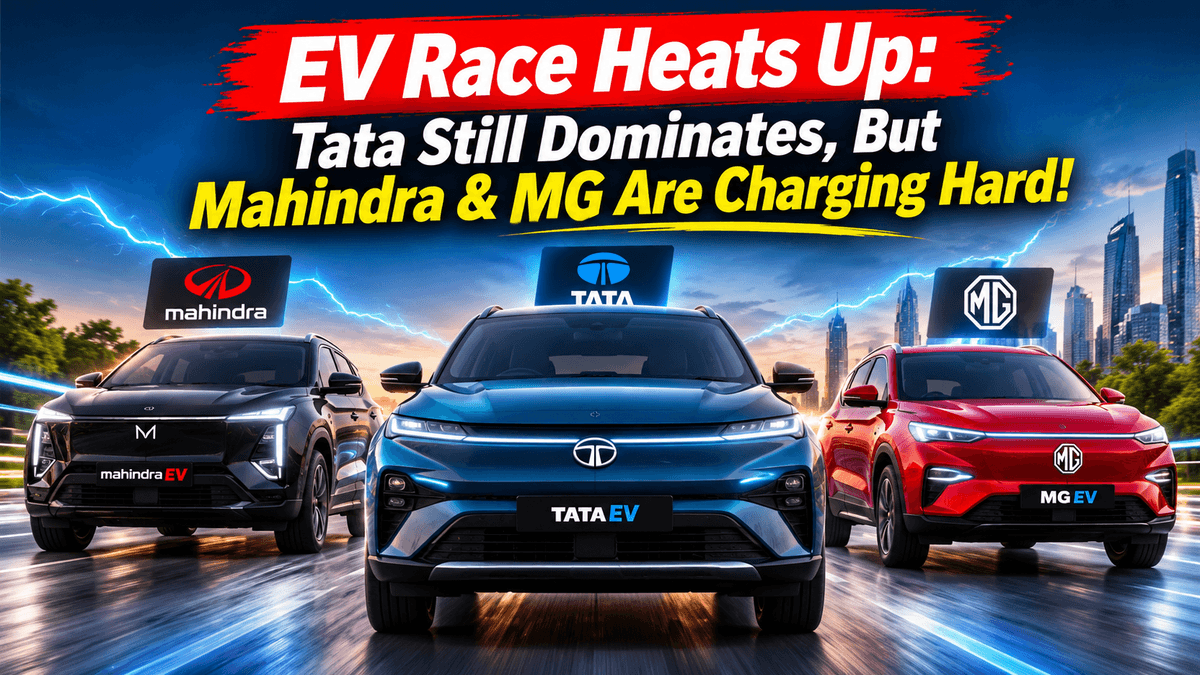
Alright folks, gather 'round, because the latest electric vehicle sales figures for October 2026 just dropped, and there's plenty to talk about. The big headline? Tata Motors is still sitting pretty at the top of the EV charts, holding onto that leadership position tighter than a commuter holds onto their seat on a crowded Mumbai local.
But don't let that fool you into thinking it's a one-horse race. The challengers are coming in hot! Mahindra and JSW MG Motor, in particular, have clocked some seriously impressive year-on-year growth. It's clear the Indian EV landscape is getting more dynamic, and honestly, it's about time. More players mean more options for us, the buyers, and that's always a good thing.
Tata's Unshakeable Grip on India's EV Market
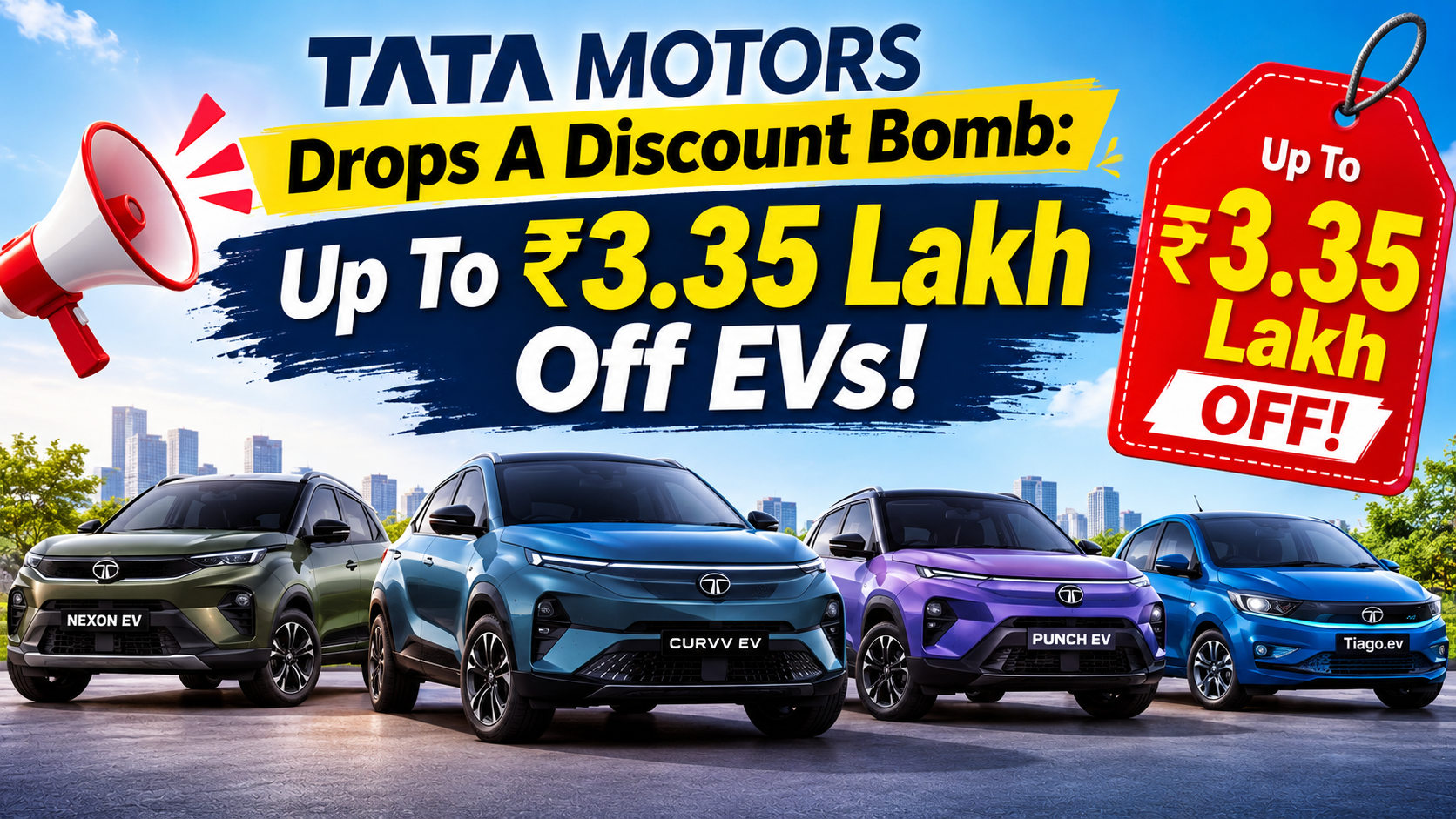
So, why is Tata still the king of the hill, even with all these new players? Simple, really. They got in early, and they got in right. The nexon-ev">Nexon EV was a game-changer, giving buyers a proper electric SUV when most others were still figuring things out. Then came the tiago-ev">Tiago EV, making electric cars accessible at a price point that made sense for many middle-class families – often for the price of a mid-spec Swift, no less.
Their strategy of offering a diverse portfolio – from the urban-friendly Tiago and Punch EVs to the more feature-rich Nexon EV – has clearly paid off. Plus, their aggressive pricing and ever-expanding service network, even in Tier-2 and Tier-3 cities, have built a level of trust that's hard to beat. When you're spending your hard-earned money, knowing you have support nearby is crucial, isn't it?
The Challengers: Mahindra & MG's Remarkable Surge
Now, let's talk about the ones shaking things up. Mahindra, with its refreshed focus on EVs, especially the XUV400, is finally finding its rhythm. They've been a bit slow off the mark compared to Tata, but the XUV400 is a solid product, offering a good balance of performance and practicality for those looking for something a bit more substantial than a hatchback. Their sales numbers are definitely making heads turn, and honestly, it shows they're serious about this segment now.
Then there's JSW MG Motor. They've played it smart by catering to slightly different niches. The ZS EV offers a more premium, feature-packed experience, while the quirky Comet EV has found a unique space as an urban micro-EV for city dwellers who just want a convenient, affordable daily runner. Hyundai and Kia are still around with their premium offerings like the Kona Electric and EV6, and Maruti's much-anticipated entry is still on the horizon. BYD is making inroads with its Atto 3, and even luxury players like BMW and upcoming VinFast are carving out their own small but significant spaces. But for pure growth and market impact in the mass-to-mid segment, Mahindra and MG are the ones to watch.
Key Players & Their Top Sellers (Oct 2026)
Manufacturer | Key EV Models | Market Positioning |
|---|---|---|
Tata Motors | Nexon EV, Tiago EV, Punch EV | Mass market leader, diverse offerings, accessible pricing |
Mahindra | XUV400 | Mid-size SUV, strong performance, premium features |
JSW MG Motor | ZS EV, Comet EV | Premium compact SUV, urban micro-EV, unique value |
Hyundai | Kona Electric, Ioniq 5 | Premium offerings, advanced tech |
Kia | EV6 | Premium performance EV, design-focused |
Maruti Suzuki | (Upcoming models expected) | Future mass-market contender, known for reliability |
BYD | Atto 3, E6 | Premium SUVs, fleet segment focus |
BMW | iX, i4, i7 | Luxury EV segment, high performance |
VinFast | VF8, VF9 (Expected) | Upcoming premium SUVs, new entrant |
What Drives Growth & What Holds It Back?
The overall growth in EV sales isn't just because of a few good cars. Government incentives, falling battery costs (slowly, but surely), and a growing awareness about environmental benefits are all playing a part. People are seeing more EVs on the road, their neighbours are buying them, and the fear of the unknown is slowly fading. Charging infrastructure is also getting better, though still not where it needs to be, especially once you step outside the major metros.
However, there are still hurdles. The initial purchase cost, while coming down, is a major one for many. Range anxiety is still a real thing, particularly for those long highway trips. And while charging stations are increasing, their availability and reliability, especially in smaller towns, can be a hit or miss. We need more affordable options across all body types, not just hatchbacks and compact SUVs, to truly capture a wider audience.
What We Like
- The sheer dynamism of the market; it's exciting to watch.
- More credible and appealing choices for Indian car buyers.
- Increased competition, which ultimately leads to better value and features.
- A growing focus on safety and advanced tech in EVs.
What Could Be Better
- Faster and more widespread expansion of public charging infrastructure.
- More accessible price points, especially for larger family vehicles.
- Clearer and more consistent government policies to boost adoption.
- Longer practical range for budget-friendly EVs to quell anxiety.
What This Means For Your Next EV Purchase
Look, the current market trends are a win-win for you, the consumer. With more players vying for your attention, you can expect better-equipped cars, more competitive pricing, and a wider variety of options to choose from. Don't rush into a purchase; keep an eye out for new launches and updates. The competition means manufacturers will have to work harder to offer compelling packages, which can only benefit your wallet and your driving experience.
This growth also suggests that the resale value for EVs might stabilize and even improve over time as the market matures. It's becoming less of a gamble and more of a smart, forward-thinking investment.
Our Verdict
The October 2026 sales figures paint a clear picture: India's EV market is not just here to stay; it's thriving and evolving rapidly. Tata Motors has done a phenomenal job building that initial trust and market share, and they're not going anywhere soon. But the rise of Mahindra and JSW MG Motor shows that this segment is anything but stagnant. Honestly, the Indian EV market is finally growing up, offering genuine choices beyond just one or two models, and that's fantastic for everyone who's been waiting to make the switch to electric. The future of motoring here is looking greener, and more exciting, than ever before.