What's The Big News?
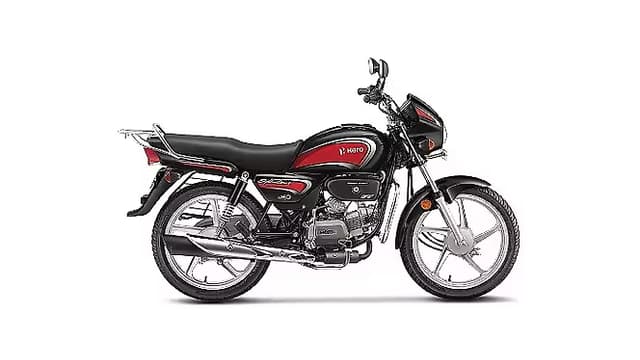
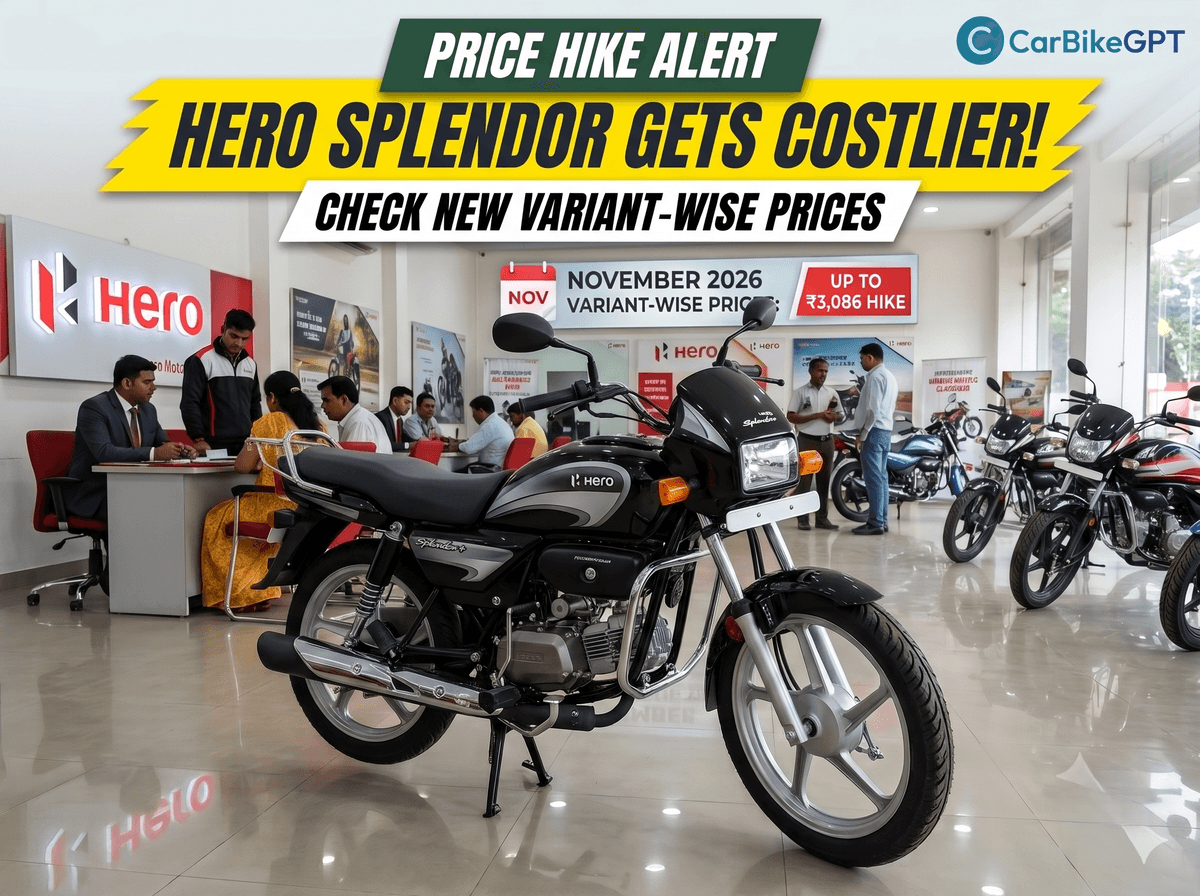
Alright, folks, listen up! We've got some news from the stable of India's undisputed two-wheeler king, Hero MotoCorp, that's going to hit the pockets of budget bike buyers. Your beloved Hero Splendor, the machine that's kept countless Indian families moving for decades, is looking at a price hike. Not tomorrow, not next month, but by November 2026, you could be shelling out up to ₹3,000 more for a brand-new Splendor.
Now, I know what you're thinking – ₹3,000 isn't a fortune, right? But for the buyer considering a Splendor, that amount can be a big deal. We're talking about a segment where every single rupee is scrutinised, where EMIs are planned down to the last digit. This isn't just a number on a spreadsheet; it's a tangible increase for the common man.
The Long Game: Why A Price Hike So Far Out?
It's unusual to get a heads-up on a price hike so far in advance, isn't it? Typically, these announcements come with a much shorter lead time. This move by Hero MotoCorp, hinting at a hike over two years away, suggests a few things. It could be a strategic play to manage expectations, or perhaps it's an indication of significant cost escalations they anticipate over the next couple of years – maybe due to material costs, manufacturing process improvements, or even upcoming regulatory changes like stricter emission norms that could require more advanced, and thus more expensive, technology in these entry-level bikes.
Whatever the precise reason, the fact remains: the cost of owning India's most popular motorcycle is on an upward trajectory. For a bike that sells in lakhs every single month, even a small increase like ₹3,000 can cumulatively add up to a significant revenue boost for Hero, while simultaneously putting a pinch on the consumer's wallet.
Splendor's Unshakeable Reign & The Impact of Increment
Look, the Hero Splendor isn't just a motorcycle; it's an institution in India. It's the first bike for millions, the reliable workhorse for small businesses, and the primary mode of transport for families in both bustling cities and remote villages. Its formula is simple: bomb-proof reliability, stellar fuel efficiency, and ridiculously low maintenance costs. That's why it continues to dominate sales charts month after month, year after year.
But here's the thing — this segment is incredibly price-sensitive. A few thousand rupees can genuinely sway a buying decision. For someone saving up for months, maybe even years, to buy their dream bike, that ₹3,000 might mean postponing the purchase, stretching their budget, or even looking at slightly cheaper alternatives. It might seem minor to some, but for the Splendor's core audience, it's a real consideration. It could mean cutting back on something else, or adding another month to their EMI plan (yes, really).
Specs At A Glance
While this particular price hike isn't linked to any specific feature or mechanical upgrade, here are the general characteristics that make the Hero Splendor the undisputed champion it is. These are the tried and tested specifications that have kept it at the top.
Advertisement
Characteristic | Detail |
|---|---|
Engine Type | Air-cooled, 4-stroke, Single Cylinder OHC |
Displacement | Around 97.2 cc |
Fuel Tank Capacity | Approx. 9.8 - 11 Litres (variant dependent) |
Front Suspension | Telescopic Hydraulic Shock Absorbers |
Rear Suspension | Swingarm with 5-Step Adjustable Hydraulic Shock Absorbers |
Front Brake | Drum type (130mm) |
Rear Brake | Drum type (130mm) |
Starting System | Kick / Electric Start (variant dependent) |
Expected Price Hike | Up to ₹3,000 (effective Nov 2026) |
How Does It Stack Up Against The Competition?
Even with a price hike, the Splendor's rivals will still have a tough time dethroning it, but they'll certainly try to capitalise on any perceived weakness. We're talking about bikes like the Bajaj Platina 100/110, the TVS Sport, and Honda's relatively newer entry, the shine-100">Shine 100. Each of these offers a compelling package in the commuter segment.
The Platina often boasts about its comfort and slightly larger engine options, while the TVS Sport has always been a strong contender known for its peppy performance and fuel efficiency. Honda's Shine 100, on the other hand, comes with the trusted Honda reliability tag and aggressive pricing that directly targets the Splendor's lower variants. The Splendor's strengths lie in its massive service network, legendary resale value, and the sheer trust it commands. A ₹3,000 hike might make buyers look a little harder at the competition, especially if rivals offer slightly more features for a similar, or even lower, price point in 2026. But honestly, getting people to switch from a Splendor is like asking them to change their morning chai – it's a habit.
The Good And The Not-So-Good
What We Like
- Unmatched Reliability: It's built to last, come what may. You can trust it to start every morning.
- Exceptional Fuel Efficiency: The Splendor sips petrol, making it incredibly economical for daily commutes.
- Widespread Service Network: You'll find a Hero service centre pretty much anywhere in India, which is a huge peace of mind.
- High Resale Value: Splendors hold their value incredibly well, making them a smart investment.
- Simple, Understated Design: It's not flashy, but it's universally accepted and doesn't draw unwanted attention.
What Could Be Better
- Dated Design: While functional, the design hasn't seen a significant overhaul in ages. A fresh look wouldn't hurt.
- Basic Feature Set: It's a no-frills machine, which is great for reliability, but some modern conveniences are missing.
- Slightly Higher Price Tag: The upcoming hike means it'll be a little less accessible for some budget-conscious buyers.
- Engine Refinement: While reliable, the engine can feel a bit rough compared to some newer rivals at higher speeds.
Price & When You Can Buy It
As of now, the official word is that the Hero Splendor range will see a price increase of up to ₹3,000. This hike is slated to take effect in November 2026. Specific variant-wise price adjustments will undoubtedly be announced closer to the implementation date. Currently, the Splendor range typically starts from around ₹75,000 (ex-showroom) for the entry-level variants and goes up from there, so future buyers should budget for this increase on top of the prevailing prices in 2026.
It's a long way off, giving prospective buyers ample time to plan. If you're eyeing a Splendor in late 2026 or beyond, just remember to factor in that extra couple of thousand rupees into your budget. It's a small sum in the grand scheme of things, but important enough to be aware of.
Our Verdict
So, what's the takeaway here? The Hero Splendor is still, and will likely remain, the king of the Indian commuter segment. Its core strengths – reliability, efficiency, and widespread accessibility – are simply too strong to be shaken by a ₹3,000 price hike, even if it's two years away. However, it's a reminder that even the most affordable vehicles aren't immune to inflationary pressures and rising manufacturing costs. For the budget-conscious Indian buyer, this isn't just a number; it's a real adjustment. Honestly, for the Splendor buyer, every rupee counts, and this hike, while small, is a signal to plan ahead. Hero will need to continue justifying these increases with the same bulletproof quality and low running costs that built the Splendor's legend in the first place. The competition isn't sleeping, and every extra rupee on the sticker price opens a tiny window for them to make their move.