What's The Big News?
Alright, listen up, folks! The numbers are in for October 2026, and they're shouting one thing loud and clear: India is absolutely loving its CNG cars. We're talking a phenomenal 21% surge in sales, pushing the total to a staggering 1.24 lakh units in just one month. That's a huge jump, and it tells us a lot about where the Indian car market is heading.
What's truly interesting is who's leading this green charge. No surprises here, it's Maruti Suzuki, and their ever-dependable Ertiga is sitting pretty at the top of the heap. It's not just a segment leader; it's practically defining the family-friendly, budget-conscious CNG space. This isn't just a trend anymore; it's a full-blown shift in how many of us are choosing to fuel our daily commutes and long drives.
The CNG Revolution: More Than Just Savings
Here's the thing — the rise of CNG isn't just a fluke; it's a calculated decision by lakhs of Indian car buyers. With petrol and diesel prices playing their usual game of hide-and-seek with our wallets, CNG offers a consistent, wallet-friendly alternative. It's not just about the fuel cost at the pump; it's about the significantly lower running costs per kilometre, which, for someone driving even 50-60 km a day, adds up to serious money saved over a year. Think about it: that's money that can go towards EMIs, school fees, or even that annual family vacation!
Beyond the economics, the technology has come a long way. Gone are the days of shoddy aftermarket kits and constant performance issues. Modern factory-fitted CNG systems, especially from giants like Maruti, are integrated seamlessly. They're safer, more reliable, and offer a much smoother driving experience than what you'd have found a decade ago. You get the convenience of dual-fuel capability – petrol for when CNG isn't available, and CNG for when you want those sweet savings. Maruti has really perfected this game, offering a range that caters from the entry-level Alto to the premium Grand Vitara, and frankly, it shows in these sales figures.
Maruti's Masterclass: How They're Dominating The Green Game
Look, Maruti Suzuki isn't just participating in the CNG market; they're practically running the show. The Ertiga leading the charts is a testament to their understanding of the Indian family's needs. It's a 7-seater that doesn't break the bank, offers decent space, and now, with its factory-fitted CNG, delivers incredible running costs. It's the perfect package for joint families, taxi operators, or anyone who needs a practical people-mover without the diesel stigma or high petrol bills.
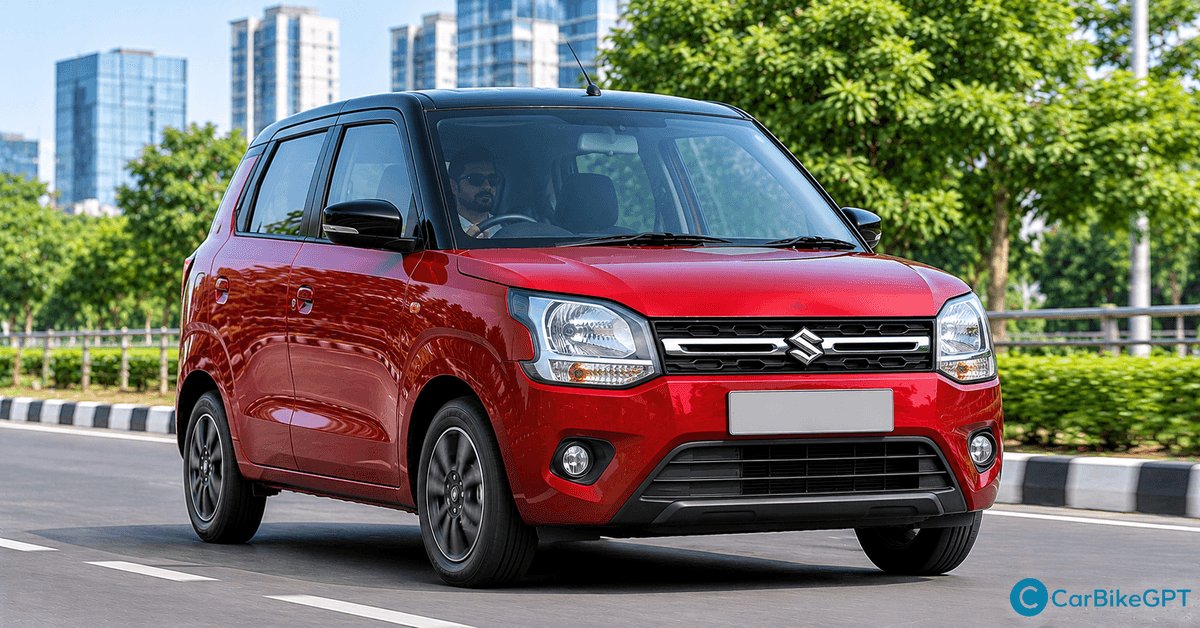
But it's not just the Ertiga. Maruti's strategy involves offering CNG across nearly their entire portfolio. From the WagonR and Swift to the Brezza and Grand Vitara, they've got a CNG option for almost every segment. This broad availability means that no matter what kind of car you're looking for, there's a good chance Maruti has a CNG variant that fits. This aggressive push, combined with their unmatched service network across every nook and cranny of India, gives them an unfair advantage, and honestly, other manufacturers are struggling to catch up. They've made CNG mainstream, and their sales numbers prove that consumers are rewarding that foresight.
Specs At A Glance
Feature | Details (for typical factory-fitted CNG cars in India) |
|---|---|
Fuel Type | Petrol + Compressed Natural Gas (CNG) |
Engine Capacity | Varies, commonly 1.0L to 1.5L for mass-market models |
Running Cost | Significantly lower per kilometre compared to petrol/diesel |
Environmental Impact | Lower tailpipe emissions (CO2, NOx) than petrol/diesel |
Fuel Efficiency | Higher mileage (km/kg) on CNG than petrol (kmpl) |
Range | Dual-fuel system provides extended total range |
Performance | Mild dip in power/torque compared to petrol equivalent |
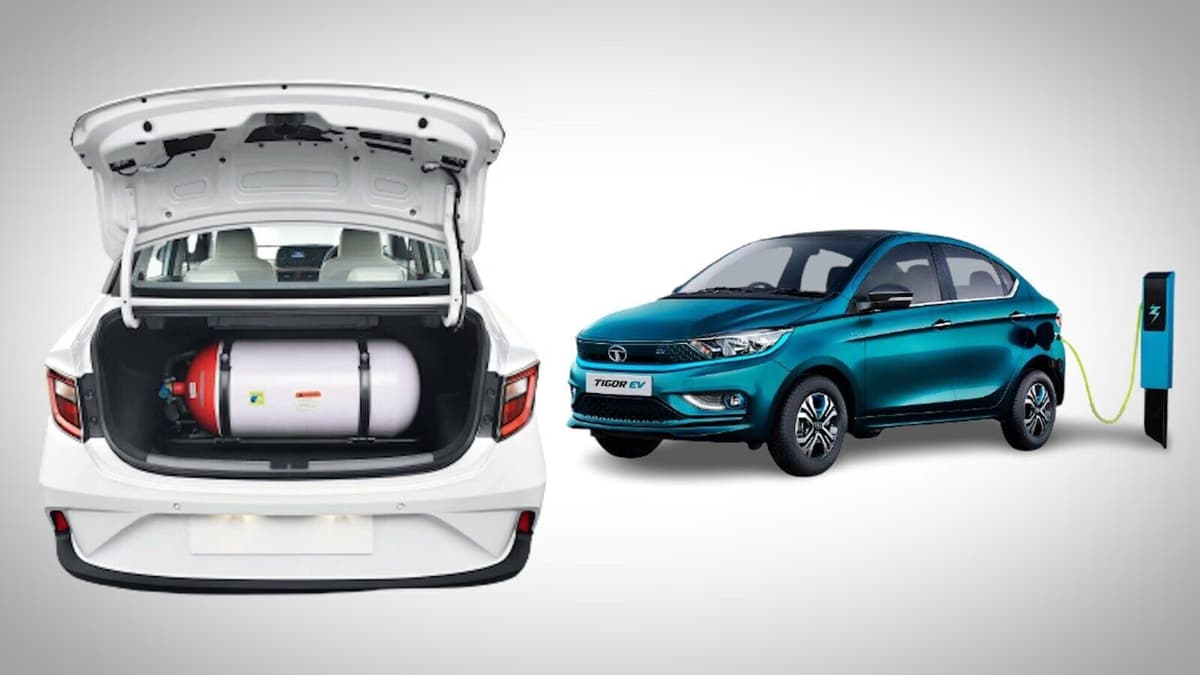
Boot Space | Often compromised due to CNG tank installation |
Refuelling | Dedicated CNG filling stations required |
Safety | Factory-fitted kits meet stringent safety standards |
Advertisement
How Does It Stack Up Against The Competition?
When you talk about the Ertiga CNG, its primary rivals aren't really other CNG MPVs, because honestly, there aren't many direct ones. The closest internal competitor is probably Maruti's own XL6 CNG, which offers a more premium experience but shares the same fundamental powertrain and space. Outside of Maruti, Tata Motors has been making strides with its 'i-CNG' range, offering models like the Tiago i-CNG and Tigor i-CNG, and even the Punch i-CNG is coming along. They've innovated with dual-cylinder tech to free up boot space, which is a clever move.
However, in the 7-seater MPV CNG segment, the Ertiga pretty much runs unopposed. Other manufacturers like Mahindra, Hyundai, and Kia mostly focus on petrol and diesel, with some venturing into EVs. So, if you need a spacious, affordable 7-seater with incredible running costs, the Ertiga CNG is your default choice. It's not just competing; it's setting the benchmark, and others are playing catch-up, which explains why it's leading the sales charts by such a wide margin. For the price of a mid-spec compact SUV, you're getting a practical, fuel-efficient family hauler.
The Good And The Not-So-Good
What We Like
- Unbeatable Running Costs: The biggest draw, without a doubt. Your fuel bills will shrink drastically.
- Dual Fuel Capability: Petrol mode for backup, CNG for savings – best of both worlds.
- Maruti's Reliability & Service: Proven track record, vast service network, easy parts availability.
- Eco-Friendlier: Lower emissions are a win for the environment.
- Factory-Fitted Safety: Integrated systems are much safer than aftermarket solutions.
- Strong Resale Value: Maruti CNG cars tend to hold their value well in the used car market.
What Could Be Better
- Boot Space Compromise: The CNG tank eats into valuable boot space, especially in smaller cars.
- Performance Dip: You'll notice a slight reduction in power and torque when running on CNG. It's not a deal-breaker, but it's there.
- Refuelling Infrastructure: While improving, CNG pump availability can still be a challenge in some rural areas.
- Higher Initial Cost: CNG variants typically cost more upfront than their petrol counterparts.
- Longer Refuelling Times: Filling up a CNG tank takes longer than a petrol or diesel tank.
Price & When You Can Buy It
This news is about current sales trends, so we're talking about models that are already widely available across India. The Maruti Ertiga CNG, for example, has been a popular choice for a while now, and you can walk into any Maruti Suzuki dealership today and book one. Pricing for CNG variants generally carries a premium over their equivalent petrol models, typically ranging from ₹80,000 to ₹1.2 lakh extra, depending on the model and segment.
For instance, an Ertiga CNG is expected to be priced in the ₹10.5–13 lakh (ex-showroom) range, varying by trim. While specific October 2026 pricing isn't the focus here, the overall trend indicates that buyers are clearly finding the long-term savings outweigh the initial investment. Expect these prices to remain competitive, especially with the demand soaring.
Our Verdict
The numbers from October 2026 are crystal clear: CNG cars aren't just a niche segment anymore; they're a vital part of the Indian automotive landscape. For the average Indian family or fleet owner, the proposition of significantly lower running costs is simply too good to ignore. Maruti Suzuki, with its extensive portfolio and market understanding, has truly nailed the formula, and the Ertiga leading the charge is proof of that.
Honestly, if your daily commute is long, or you're looking for a practical, spacious car that won't burn a hole in your pocket at the pump, a factory-fitted CNG car makes immense sense. Yes, there are minor compromises like boot space and a slight dip in performance, but for the economic relief they offer, these are small prices to pay. We feel the CNG segment will continue its upward trajectory, and it's a smart move for any budget-conscious buyer looking to keep their fuel bills in check. The future, for many, is definitely green.