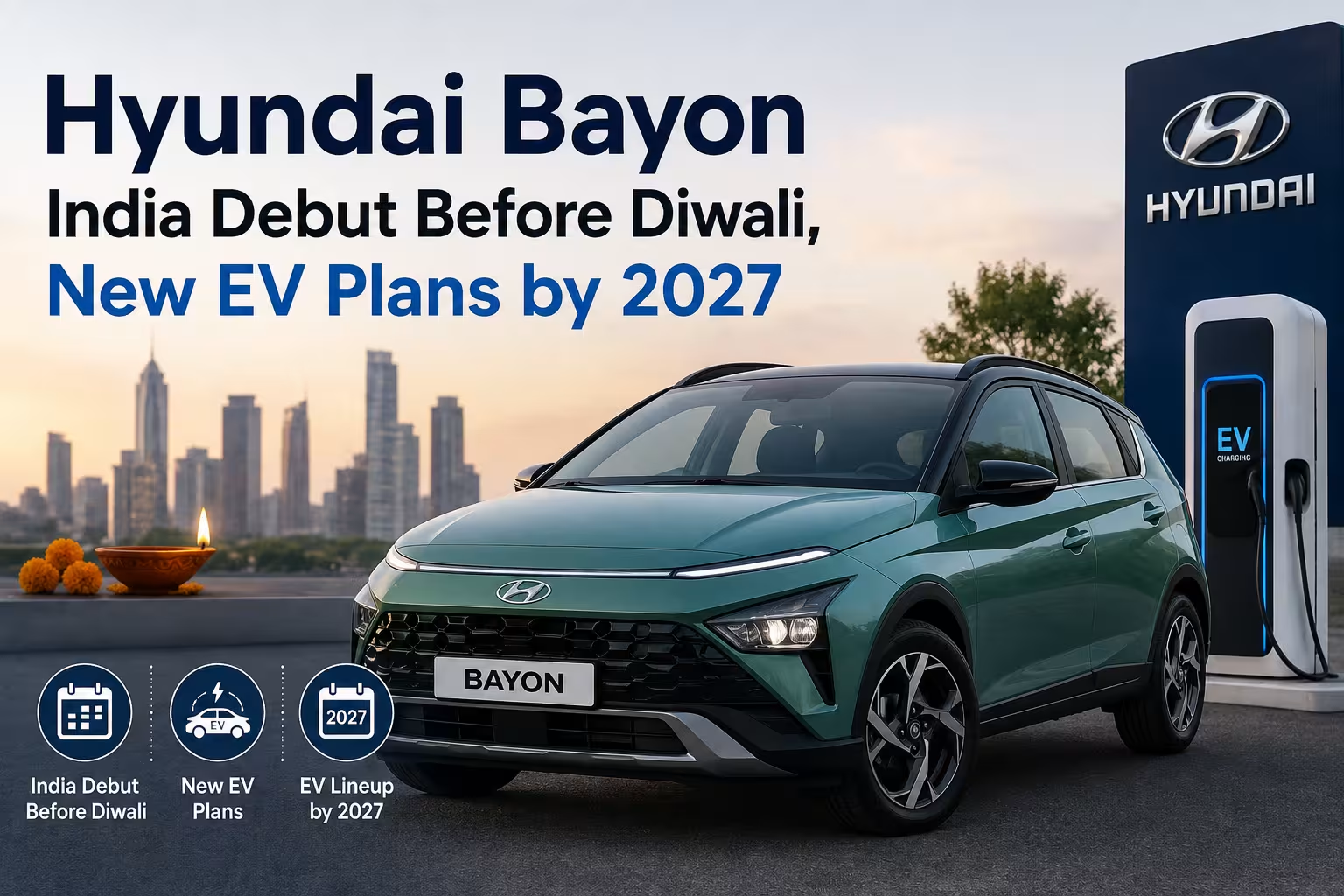
What's The Big News?
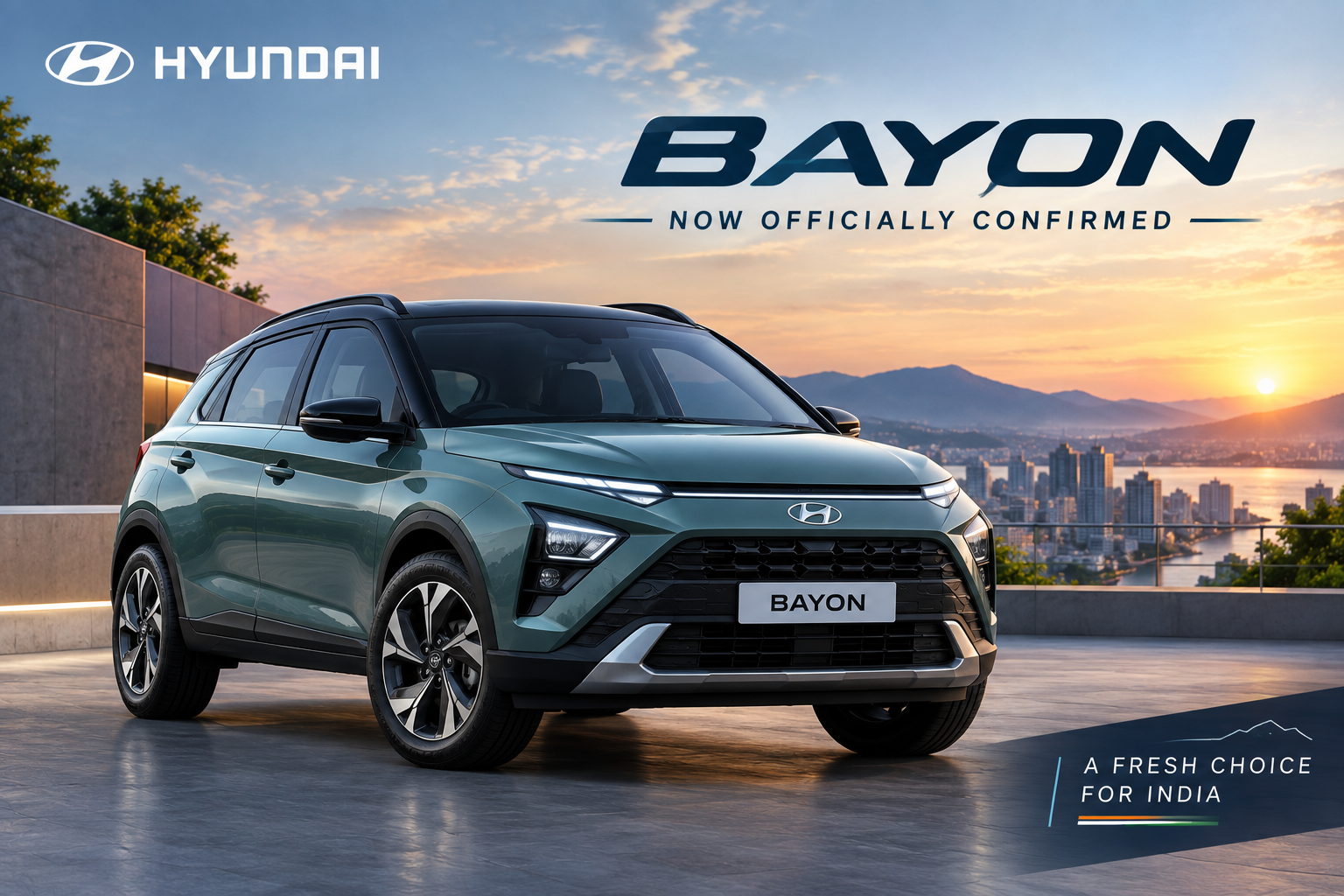
Alright folks, listen up! Hyundai's got some big moves planned for the Indian market, and it's not just about one car. First off, mark your calendars: the much-talked-about Hyundai Bayon, their sleek compact SUV, is all set to hit our showrooms before Diwali. Yes, you heard that right – just in time for the festive season!
This isn't just another launch; it's Hyundai's strategic play to grab an even bigger slice of the sub-4 meter SUV pie. But wait, there's a bigger picture developing. Hyundai has also thrown in a delicious tidbit about a brand-new, dedicated electric SUV making its debut in India by 2027. They're clearly looking at both the immediate future with the Bayon and the long-term EV game.
Hyundai Bayon: What's Under The Hood (and Body)?
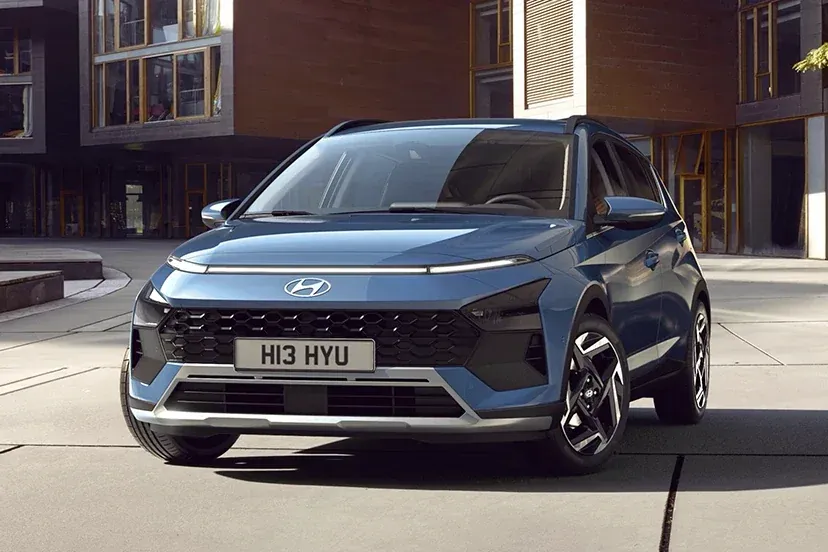
So, let's talk about the Bayon first. Globally, it’s Hyundai's entry-level crossover, sitting below the Creta. Think of it as a more rugged, SUV-inspired take on the i20 platform. It’s got that sharp, modern Hyundai design language we’ve come to expect – aggressive front fascia, split headlamps, and sleek lines that make it stand out. It’s not just an elevated hatchback; it’s got its own distinctive presence, and honestly, it shows.
For India, we expect Hyundai to tailor it for our tastes, likely retaining its compact dimensions to qualify for those crucial tax benefits. Inside, you can anticipate a feature-rich cabin, typical of Hyundai. We're talking about a large touchscreen infotainment system with connected car tech, a digital instrument cluster, automatic climate control, and possibly even a sunroof on higher variants. Safety should also be a priority, with multiple airbags and ABS with EBD expected as standard.
As for powertrains, it’s highly probable the Bayon will borrow from the i20 and Venue. This means we could see the refined 1.2-litre naturally aspirated petrol engine, perfect for city commutes, and the peppy 1.0-litre turbo petrol for those who crave a bit more punch. Both manual and automatic transmission options (likely IVT for the 1.2L and DCT for the 1.0L turbo) are almost a given to cater to a wide range of buyers. We'll have to wait for official figures, but expect competitive fuel efficiency.
Hyundai's Electric Future: A New SUV By 2027
Now, shifting gears to the future, Hyundai's announcement of a new electric SUV by 2027 is a significant one. While the Bayon caters to the immediate compact SUV demand, this upcoming EV highlights Hyundai's serious commitment to the electric mobility space in India. They currently have the Kona Electric and the premium Ioniq 5, but a new SUV by 2027 strongly suggests a more mass-market, accessible electric vehicle.
This new EV will likely be built on a dedicated electric platform, allowing for optimal battery packaging and interior space. It could potentially target the burgeoning sub-₹20 lakh EV segment, aiming to take on established players like Tata and Mahindra, who currently dominate that space. This is a crucial step for Hyundai to solidify its position as a major EV player in India, offering choice across different price points. It's about time they brought a truly mass-market EV to our shores!
Specs At A Glance
Feature | Details (Expected/Known) |
|---|---|
Body Style | Compact SUV / Crossover |
Platform | Expected i20-based |
Engines (Expected) | 1.2L Naturally Aspirated Petrol, 1.0L Turbo Petrol |
Transmissions (Expected) | Manual, IVT, DCT |
Launch Timeline | Before Diwali (Confirmed) |
New EV Launch | By 2027 (Confirmed) |
Dimensions | TBA |
Power Figures | TBA |
Battery & Range (New EV) | TBA |
How Does It Stack Up Against The Competition?
The compact SUV segment in India is a dog-eat-dog world, isn't it? The Hyundai Bayon will be entering a space filled with heavyweights. Its direct rivals will include its own sibling, the Hyundai Venue, along with the Kia Sonet, Maruti Suzuki Fronx, Tata Nexon, and even the recently updated Mahindra XUV300. It’s a crowded field, and standing out requires more than just good looks.
Hyundai's strength has always been its balance of features, refinement, and aggressive pricing. The Bayon will need to offer a distinctive proposition – perhaps a unique design that appeals to a younger audience, or a feature set that outshines rivals at a similar price point. If Hyundai prices it smartly, perhaps positioning it slightly differently from the Venue to avoid cannibalization, it could carve out its own niche. But if it lands in the same price bracket as a mid-spec Venue without significant differentiating factors, it'll be a tough fight.
The Good And The Not-So-Good
What We Like
- Fresh, modern Hyundai design language (expected to appeal to Indian buyers).
- Hyundai's renowned build quality and widespread service network.
- Feature-packed cabin with modern tech (expected).
- Choice of proven and efficient petrol engines.
- Clear commitment to a new, potentially mass-market EV by 2027.
- Diwali launch means it's coming very soon!
What Could Be Better
- Risk of cannibalizing sales from the Hyundai Venue if not positioned carefully.
- Specific details and Indian-market tailored features are still under wraps.
- Pricing needs to be highly aggressive to compete in this fierce segment.
- The 2027 EV launch feels a bit far off for those eager for an immediate affordable EV.
Price & When You Can Buy It
Here’s the most exciting part for potential buyers: the Hyundai Bayon is confirmed for launch before Diwali! This means we’re just weeks away from seeing the official unveil, detailed specs, and of course, the pricing. You can expect bookings to open soon after the official announcement.
As for the price, while Hyundai hasn't hinted at anything concrete, considering its positioning below the Creta and likely sharing components with the i20/Venue, we expect it to be strategically priced. It’s likely to sit in the ₹8 lakh to ₹12 lakh (ex-showroom) bracket, depending on the variant and engine choice. This would put it squarely against its key rivals, making it an attractive option for those looking for a feature-rich compact SUV for the price of a mid-spec Swift.
Our Verdict
Look, the arrival of the Hyundai Bayon is a big deal for the Indian car market. Hyundai rarely gets it wrong when it comes to understanding what Indian buyers want – features, style, and reliability. If the Bayon brings a fresh design, a compelling feature list, and competitive pricing, it has the potential to shake up the compact SUV segment even further. It's not going to be easy, given the competition, but Hyundai knows how to play this game.
Honestly, while the Bayon is exciting for the immediate future, the real long-term game-changer here is Hyundai’s commitment to a new, dedicated electric SUV by 2027. That tells us they’re not just dabbling in EVs; they’re planning to be a dominant force in India’s electric mobility revolution. For an enthusiast like me, that's incredibly promising. Get ready for some exciting times ahead on our roads!