What's The Big News?
Let's be honest, in India, fuel prices are always a hot topic. Every time you fill up, you're probably thinking about how to squeeze a few more kilometres out of that tank. It’s not just about saving a few bucks; it’s about smart spending, and car manufacturers know this deep down in their design labs. They're constantly pushing the boundaries, trying to give us more bang for our buck in terms of fuel efficiency.
So, what's coming our way in 2026 for us Indian car buyers who live and breathe mileage? We're hearing whispers and seeing clear trends that suggest a big leap in how efficient our cars will be, across petrol, CNG, and even diesel. This isn't just wishful thinking; it's a strategic shift that’s already well underway, aiming to make your commute lighter on the wallet.
The Shifting Sands of Fuel Efficiency Tech
When we talk about mileage, the engine is usually the first thing that comes to mind, right? By 2026, expect petrol engines to be even smarter. We're talking more small-capacity turbo-petrol units with direct injection, which are inherently more efficient. Mild-hybrid tech, which gives a small electric boost and helps with start-stop traffic, is going to be standard fare in many segments. Maruti's K-series and Hyundai's Kappa engines, for instance, will only get more refined and frugal, building on their already strong foundations.
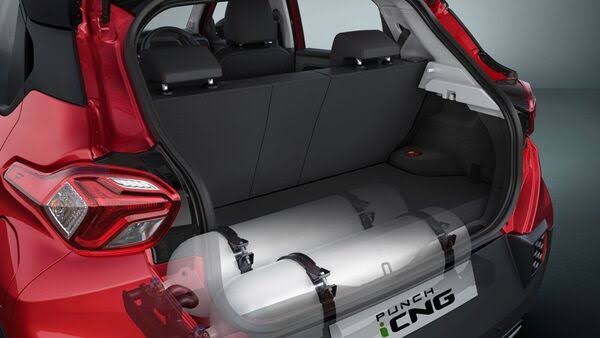
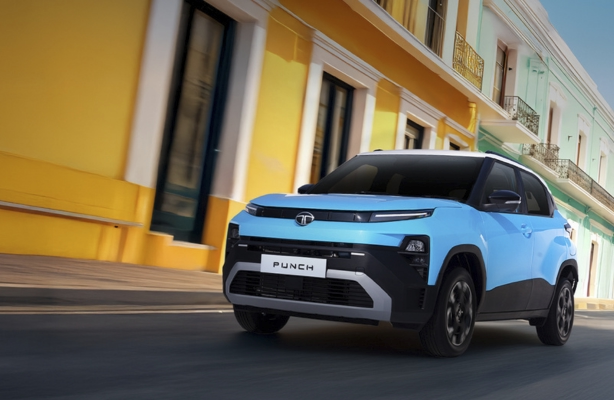
CNG is another segment that’s seeing rapid innovation. Factory-fitted CNG options are becoming incredibly popular, and the big news here is technologies like Tata’s twin-cylinder setup in the Altroz iCNG, which finally gives you some boot space back (yes, really!). Expect more manufacturers to adopt clever solutions like this. CNG isn't just an afterthought anymore; it's a mainstream, cost-effective fuel that's only getting better. Diesel, on the other hand, is likely to become even more niche, primarily for specific segments like larger SUVs where torque and highway cruising still matter, but its presence in smaller cars might dwindle further thanks to stricter BS6.2 norms and associated costs.
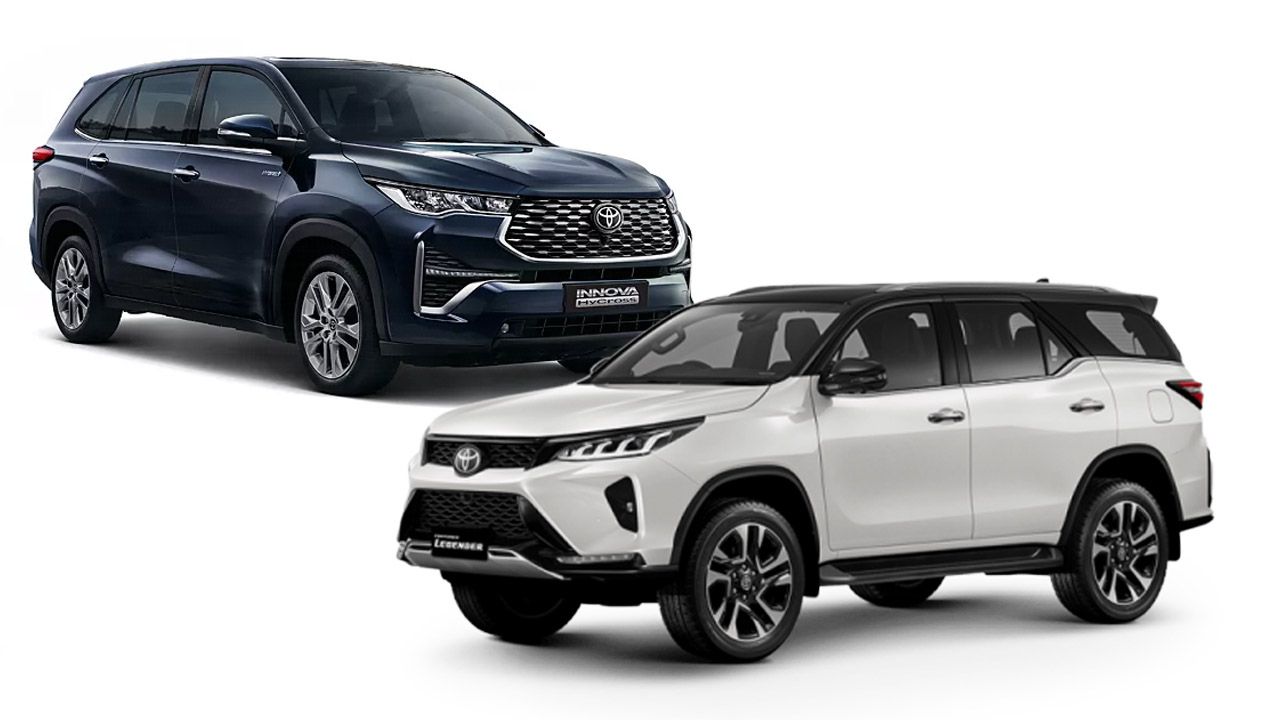
But here’s the real game-changer: hybrids. Strong hybrids are the dark horses of mileage. Cars like the Honda City e:HEV have already shown us what’s possible with phenomenal city mileage figures. Maruti and Toyota are aggressively pushing this technology, and by 2026, we expect more accessible strong hybrid options across various segments. This is where you'll find those truly jaw-dropping mileage numbers.
Beyond The Engine: Smart Design & Driver Aids
Mileage isn't just about what’s under the bonnet; it’s about the whole package. Manufacturers are paying closer attention to aerodynamics. Expect sleeker designs, active grille shutters that close at high speeds to reduce drag, and even undertrays that smooth out airflow beneath the car. These aren’t just cosmetic changes; they're small, incremental improvements that add up significantly over thousands of kilometres.
Weight reduction is another big focus. Cars will continue to use lighter, high-strength steel platforms, shedding kilos wherever possible. Every kilogram counts when you’re trying to maximize efficiency. Transmissions are also getting smarter. AMTs (Automated Manual Transmissions) and CVTs (Continuously Variable Transmissions) are being refined for smoother operation and, crucially, better efficiency tuning. While manual transmissions will still be available, especially in budget segments, automation is key to consistently achieving optimal mileage. And don't forget driver aids: Eco modes, gear shift indicators, and even advanced cruise control systems are becoming more sophisticated, gently nudging drivers towards a more fuel-efficient style behind the wheel.
Specs At A Glance
Feature | Expected Trend in 2026 |
|---|---|
Engine Technologies (Petrol) | Advanced small-capacity turbo-petrol, direct injection, mild-hybrid integration |
Engine Technologies (CNG) | Factory-fitted options with twin-cylinder technology for better boot space, improved performance tuning |
Engine Technologies (Diesel) | BS6.2 compliant, mainly for higher-segment SUVs; efficiency gains through exhaust after-treatment |
Hybrid Systems | Increased availability of strong hybrids, especially from Maruti & Toyota, offering high city mileage |
Transmission Options | Refined AMTs & CVTs for smoother operation and better efficiency; advanced manual transmissions |
Vehicle Architecture | Lighter, high-strength steel platforms for improved power-to-weight ratio and safety |
Aerodynamics | Sleeker designs, active grille shutters, aerodynamic wheel covers, undertrays |
Mileage (Claimed) | Significantly improved across all fuel types (Specific figures TBA by manufacturers closer to launch) |
How Does It Stack Up Against The Competition?
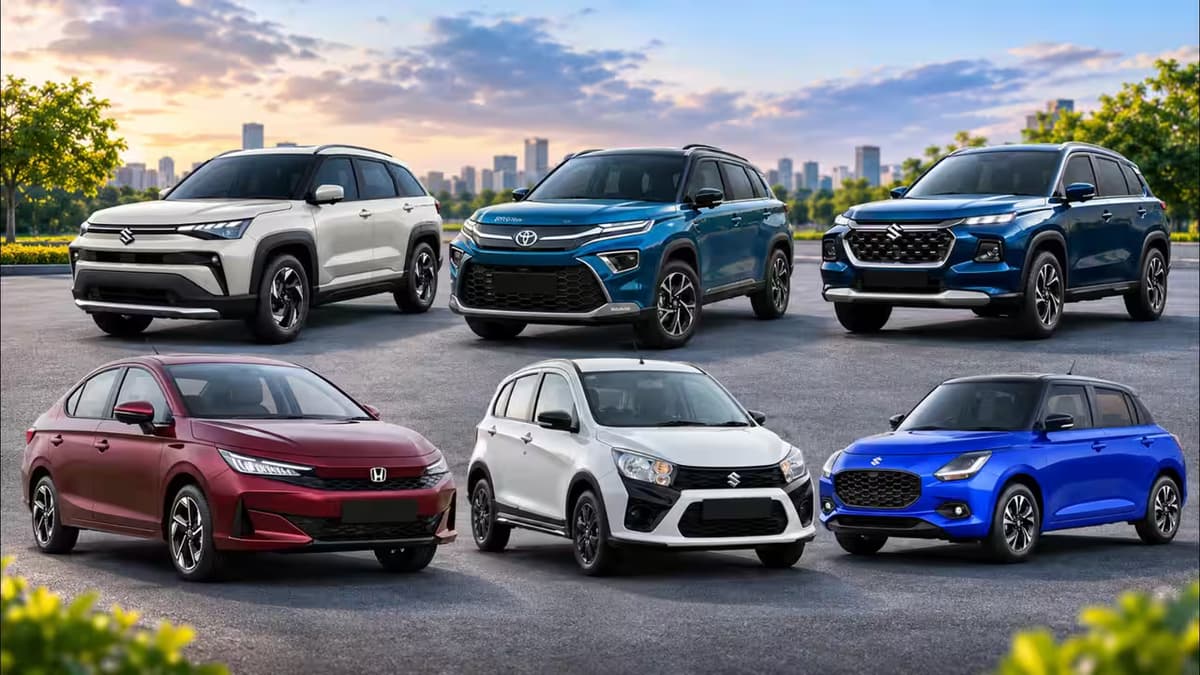
In the Indian market, competition for mileage crowns is fierce, and it'll only intensify by 2026. Maruti Suzuki, the undisputed king of mileage, especially in petrol and CNG, will likely continue its dominance in the budget and mid-range segments. Their widespread service network and efficient powertrains are hard to beat.
Hyundai and Kia will be strong contenders, offering refined engines and a feature-rich experience. Their strategy might lean towards balancing performance with efficiency, giving buyers a more premium feel. Tata Motors, on the other hand, is making incredible strides in CNG with its innovative tech and is also pushing EVs aggressively. Their internal combustion engine (ICE) offerings are getting better too, offering solid mileage. Then there are the hybrid specialists like Honda and Toyota. While often priced at a premium, their strong hybrids offer unbeatable city mileage, and we expect them to expand their hybrid portfolio, making this technology more accessible.
The Good And The Not-So-Good
What We Like
- More diverse and innovative choices in fuel-efficient powertrains.
- Strong hybrids becoming more accessible, bringing fantastic mileage numbers.
- Advanced CNG technology solving practical user problems like boot space.
- A holistic approach to efficiency, considering design, weight, and driver aids, not just the engine.
- Increased competition means better value for the customer.
What Could Be Better
- The future of small diesel cars remains uncertain, limiting options for some.
- The initial purchase cost of advanced technologies like strong hybrids might still be a barrier for a significant chunk of buyers.
- While not directly mileage, the charging infrastructure for EVs still needs massive improvement to become a truly viable alternative for everyone.
Price & When You Can Buy It
As with any advanced technology, expect cars with improved mileage features to command a slight premium. Entry-level petrol and CNG cars will remain accessible, with pricing expected in the ₹5–10 lakh range for hatchbacks and compact sedans. Strong hybrids, as they become more mainstream, could see starting prices around the ₹15 lakh mark and go upwards, depending on the segment.
These are trends shaping up for 2026, so you'll see new models and updates hitting showrooms steadily from late 2024 through 2026. Keep an eye out for official announcements from your favourite brands!
Our Verdict
Look, the Indian car buyer’s love affair with mileage isn’t going anywhere, and manufacturers know it. The push for better efficiency across petrol, CNG, and especially hybrids is real, and honestly, it shows in the innovations we're already seeing. The future of fuel-efficient cars isn't just about small incremental gains; it’s about a complete overhaul of how we think about mobility costs. Honestly, for the Indian buyer, 2026 is shaping up to be a golden era for mileage. You'll have more ways than ever to save on fuel without compromising on features or driving pleasure.