What's The Big News?
If you thought Indians were only obsessed with compact SUVs, think again. The latest sales figures for July 2026 are officially out, and they tell a fascinating story about how Indian families are choosing to travel. People aren't just looking for high ground clearance anymore; they want maximum seats, maximum comfort, and running costs that don't make their wallets bleed.
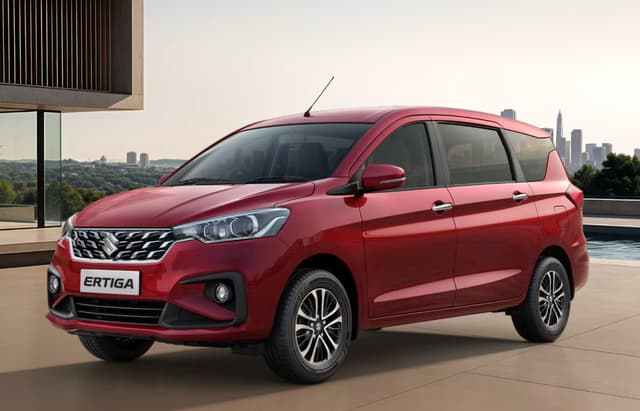
The multi-utility vehicle segment recorded a massive 21.5% year-on-year growth this past month. Leading this massive surge at the very top is Maruti Suzuki's trusted multi-seater, the Ertiga. (and honestly, it shows) While rival manufacturers are pushing sleek crossovers, the humble three-row family mover continues to dominate the sales charts across urban cities and small towns alike.
Maruti's Ertiga Stays Unshakeable At The Top
Why are Indian car buyers queuing up outside Maruti showrooms despite so many new launches? It all comes down to pure, unvarnished practical value. You can buy an entry-level family mover for the price of a mid-spec Swift, and that value proposition is extremely hard for a middle-class head of the family to ignore. You get space for seven passengers, an engine that sips fuel like a scooter, and peace of mind from a service network present in almost every corner of India.
Factory-fitted CNG options have completely changed the game here. Fleet operators love the low running costs, while large joint families swear by the usability during out-of-town holiday trips. It isn't the fastest car on the block, nor is it the most feature-loaded, but it hits the sweet spot for practical utility like nothing else on Indian roads right now.
Why Indian Families Are Ditching Sedans For Three-Row Movers
Indian road conditions and family structures demand extreme versatility. A standard three-row cabin gives you the flexibility to fold down the rear seats when you need to haul luggage, or load up seven people when the in-laws come to visit. That kind of adaptability is something a traditional sedan or five-seater hatchback simply can't offer, no matter how good it looks on paper.
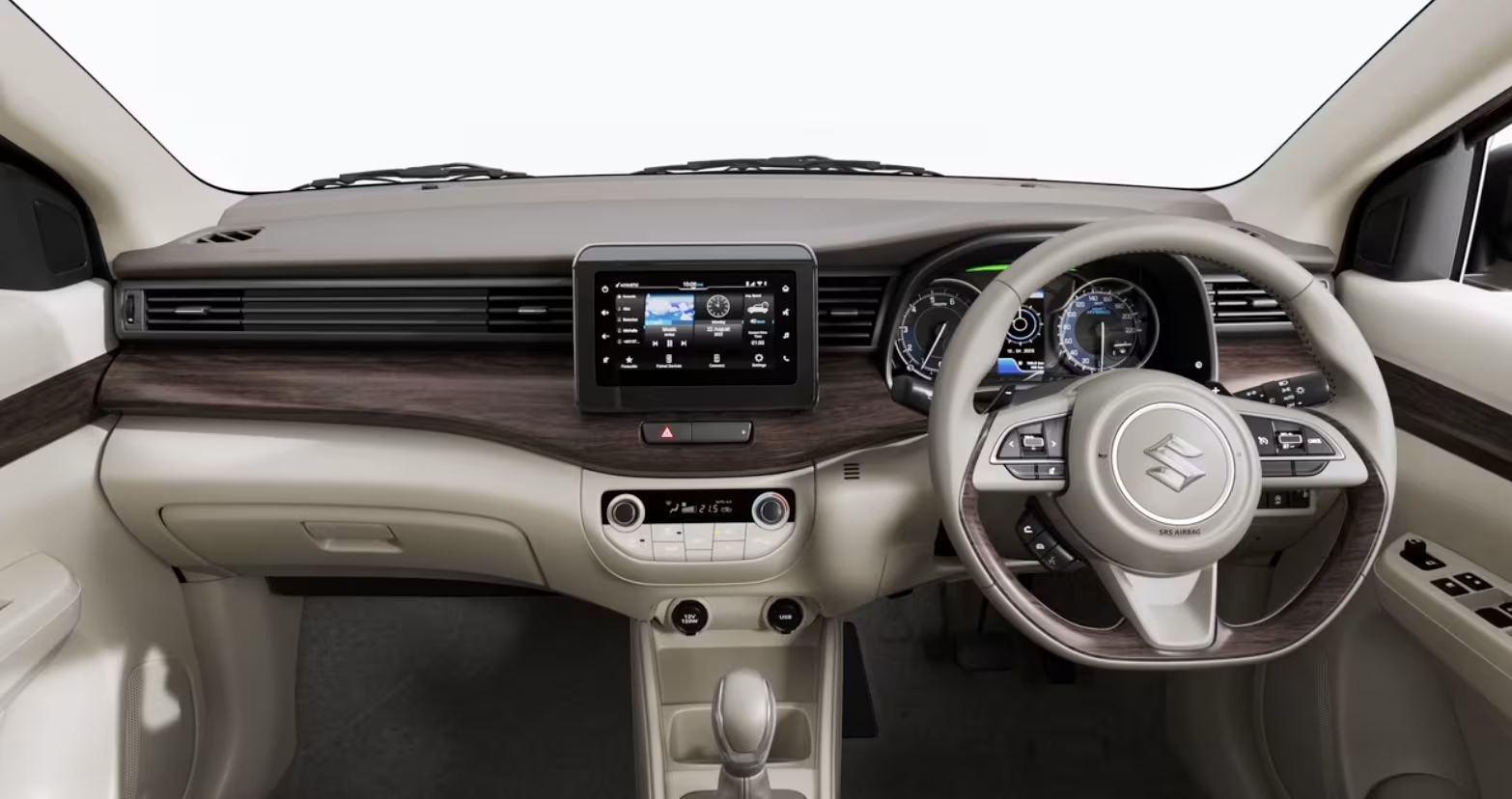
Modern multi-utility vehicles don't look or feel like basic commercial vans anymore. (about time, Maruti) Manufacturers have added slick touchscreen infotainment systems, automatic climate control, ventilated seats, and ambient lighting. They've effectively bridged the gap between basic utility transporters and comfortable family cruisers, convincing buyers to step up from smaller vehicles.
Specs At A Glance
Feature / Spec | Maruti Suzuki Ertiga | ||
|---|---|---|---|
Engine Options | 1.5L Petrol / CNG | 1.5L Petrol / 1.5L Turbo / 1.5L Diesel | 2.0L Petrol / 2.0L Strong Hybrid |
Transmission options | 5-Speed Manual / 6-Speed AT | 6-Speed MT / iMT / 7-Speed DCT / 6-Speed AT | CVT / e-CVT |
Seating Capacity | 7 Seater | 6 / 7 Seater | 7 / 8 Seater |
Fuel Efficiency (Claimed) | ~20.5 km/l (P) / ~26.1 km/kg (CNG) | ~15.7 to 21.3 km/l | ~16.1 km/l (P) / ~23.2 km/l (Hybrid) |
Fuel Tank Capacity | 45 Liters (Petrol) / 60L (Water Equivalent CNG) | 45 Liters | 52 Liters |
How Does It Stack Up Against The Competition?
When you look at the competition, the picture becomes clear. The Kia Carens offers far more tech, punchier turbo-petrol and diesel engines, and a distinctly modern cabin feel. But it also commands a higher price tag at the top end. If your budget can stretch, the Carens feels like a step up in sophistication, but for pure low-cost efficiency, Maruti still holds the crown.
Further up the price ladder sits the Toyota Innova Hycross. It's bigger, significantly more luxurious, and offers unbelievable fuel efficiency thanks to its strong-hybrid powertrain. However, it costs almost double what a mid-spec Ertiga costs on the road. For buyers who want sensible transport without taking out a massive bank loan, the entry-tier segment remains completely unbeatable.
The Good And The Not-So-Good
What We Like
- Unmatched fuel efficiency, especially with factory CNG kits.
- Extremely affordable maintenance costs and wide service network.
- Highly flexible seating configuration for large families.
- Strong resale value in the used car market.
What Could Be Better
- Highway punch with a full load of seven adults leaves you wanting more.
- Build quality doesn't feel as reassuring as European or Korean rivals.
- Long waiting periods for high-demand CNG variants in major cities.
Price & When You Can Buy It
If you're planning to buy one today, pricing for entry-level family movers in India starts around ₹8.69 lakh (ex-showroom) for base variants and goes up to ₹13.03 lakh for top-tier automatic models. Alternative premium options like the Kia Carens span between ₹10.50 lakh and ₹19.50 lakh, while the hybrid Toyota Innova Hycross sits in the ₹19.77 lakh to ₹30.98 lakh range.
Most variants are readily available at dealerships across India, though CNG models continue to command a waiting period of anywhere between two to four months depending on your city. We recommend booking early if you plan to get one before the upcoming festival season rush.
Our Verdict
Here's the thing — when an entire segment jumps by more than 20% in a single month, it isn't just a random market fluke. It's a clear signal that Indian car buyers are prioritizing space, efficiency, and real-world practicality over flashiness. We feel that as long as manufacturers keep offering reliable three-row options at sensible prices, this family car wave isn't slowing down anytime soon.