What's The Big News?
Think about the last time you went out on the road. You probably couldn't drive for more than thirty seconds without spotting a compact SUV, and the latest sales numbers prove your eyes aren't playing tricks on you. The sub-four-meter SUV segment in India has absolutely exploded, crossing a monumental milestone in June 2026 by putting 1,10,161 new cars on our streets in a single month.
Compare that to the 81,665 units sold back in June 2025, and we've got a staggering 34.89% year-on-year growth. That isn't just a minor bump; it's a complete market takeover. Indian buyers are happily skipping traditional hatchbacks and mid-sized sedans to put their hard-earned money down on these high-riding, pothole-bashing machines that offer immense road presence without breaking the bank.
The Numbers Don't Lie: Why This Boom Is Unprecedented
Let's talk about why this is happening right now. We've seen car prices climb steadily over the last couple of years, but instead of pulling back, buyers are simply shifting their priorities. For the price of a mid-spec hatchback or a basic sedan, you're getting robust suspension, high ground clearance, and a commanding driving position that makes navigating flooded monsoon roads a breeze.
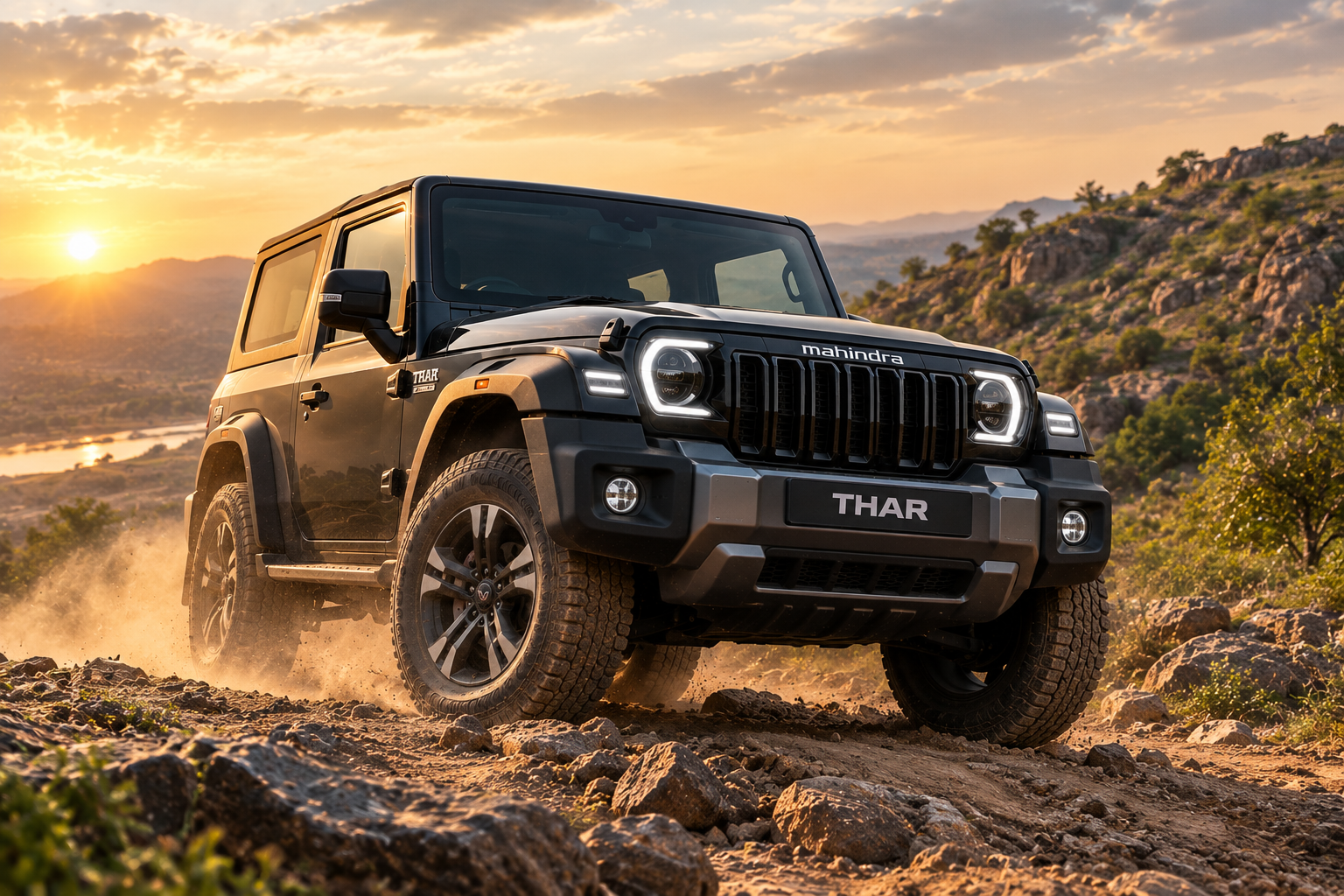
What makes this June 2026 performance so incredible is the sheer variety of choices currently keeping showrooms busy. Manufacturers aren't just selling one flavor of SUV anymore. Whether you want the rugged safety of Tata's Punch and Nexon, the coupe-like styling of Maruti's Fronx, or the absolute feature-overload of Mahindra's XUV3XO, there is something for every single type of Indian family. Buyers have realized that they can get premium features like panoramic sunroofs and ADAS without stepping up to larger, harder-to-park segments.
The Dogfight: How The Major Players Are Holding Up
Tata continues to play a massive role in this segment with its twin-headed attack. The Punch has been a runaway success story, serving as the perfect gateway drug for hatchback buyers looking to upgrade. Meanwhile, the Nexon keeps defending its turf against a relentless onslaught of rivals by offering petrol, diesel, and electric powertrains under one single roof.
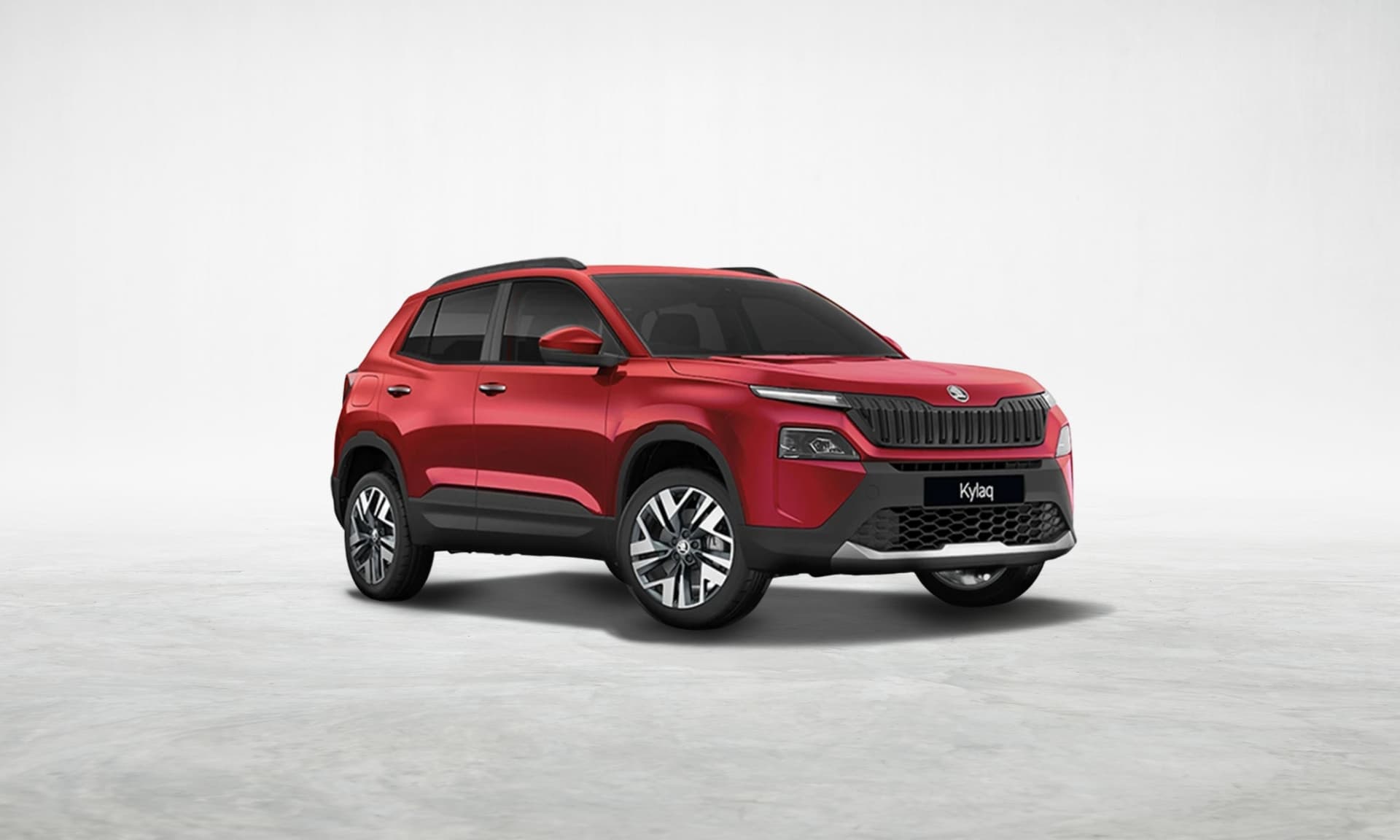
Maruti Suzuki isn't sitting quietly either, utilizing its massive dealership network to push both the traditional Brezza and the stylish Fronx. Mahindra has completely revitalized its prospects with the XUV3XO, bringing premium cabin materials to the segment (and honestly, it shows), which has forced rivals to quickly rethink their plastic quality. Then you have the Korean siblings—the Hyundai Venue and Kia Sonet—constantly updating their tech packages to keep young, first-time buyers hooked. Even Skoda has thrown its hat into the ring with the highly anticipated Kylaq, aiming to bring European driving dynamics to a highly price-sensitive audience.
Specs At A Glance
Since the sub-4m segment covers a vast range of engine options, here is a quick look at the typical specifications you can expect from these market leaders:
Car Model | Engine Options Available | Key Highlight | Safety Rating (GNCAP/BNCAP) |
|---|---|---|---|
Tata Punch | 1.2L Petrol, CNG | Rugged Build & High Seating | 5 Stars |
Tata Nexon | 1.2L Turbo Petrol, 1.5L Diesel, EV | Multi-powertrain Choice | 5 Stars |
Maruti Brezza | 1.5L Petrol, CNG | Reliable Mild-Hybrid Engine | 4 Stars (Older Gen) |
Maruti Fronx | 1.2L Petrol, 1.0L Turbo Petrol, CNG | Crossover Styling & Mileage | Not Yet Rated |
Mahindra XUV3XO | 1.2L Turbo Petrol, 1.5L Diesel | Segment-first Panoramic Sunroof | 5 Stars |
Hyundai Venue / Kia Sonet | 1.2L Petrol, 1.0L Turbo, 1.5L Diesel | Tech-loaded & Smooth Automatics | Not Yet Rated / 3 Stars |
Skoda Kylaq | 1.0L TSI Turbo Petrol | European Ride & Handling | TBA |
How Does It Stack Up Against The Competition?
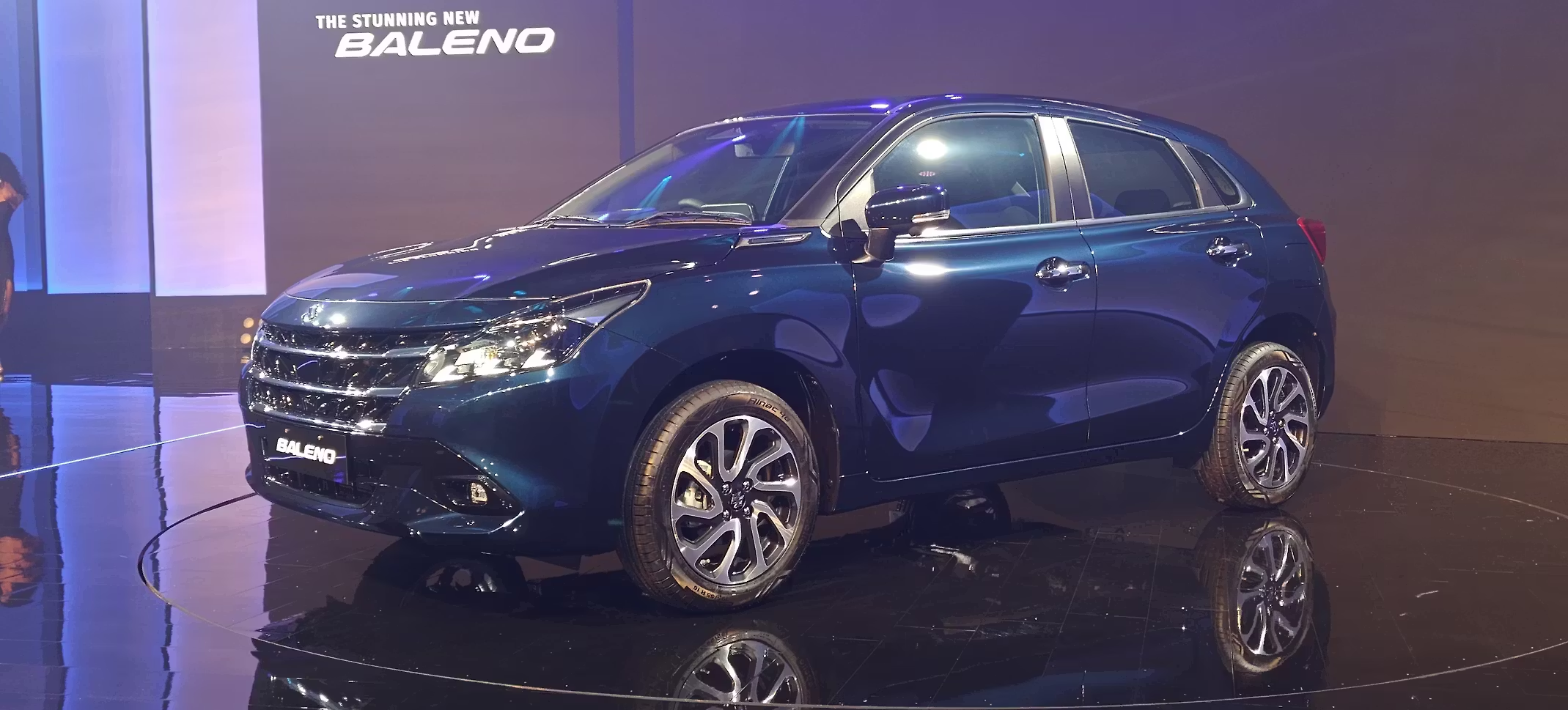
When you put these sub-4m giants against conventional body styles, it's a total slaughter. Traditional premium hatchbacks are feeling the squeeze because people realize they can get a high-riding Fronx or Exter for almost the same monthly EMI. While a standard hatchback might offer slightly better fuel efficiency, it simply cannot match the sheer confidence of driving an SUV when the roads turn into rivers during the Indian monsoon.
Mid-sized sedans are also facing a tough challenge. Unless you are an absolute purist who loves carving corners, the sheer utility of a compact SUV makes a much stronger case for itself as a daily driver. You get easier ingress and egress for elderly parents, better luggage-loading capability with fold-down rear seats, and a much shorter footprint that makes parking in tight city spots remarkably painless.
The Good And The Not-So-Good
What We Like
- Unmatched road presence: You get the commanding view of a much larger vehicle in a package that's easy to squeeze into tight city spaces.
- Safety has become a priority: With major players like Tata and Mahindra pushing 5-star safety ratings, buyers no longer have to compromise on security.
- Incredible powertrain diversity: From naturally aspirated petrols and punchy turbos to frugal diesels, factory-fitted CNGs, and full EVs, the choices are endless.
- Excellent resale value: Because demand is sky-high, these cars hold their value much better than equivalent hatchbacks.
What Could Be Better
- Compromised cabin width: Fitting three well-built adults in the back seat of most of these sub-4m SUVs is still a tight squeeze.
- Shrinking boot spaces: To stay under the crucial four-meter tax bracket, manufacturers often have to shave precious liters off the luggage compartment.
- Rising price tags: Top-end variants of some of these compact SUVs now cross the 15-lakh mark, pushing them dangerously close to larger mid-size SUVs.
Price & When You Can Buy It
The beauty of this segment lies in its incredibly wide pricing spectrum. You can entry-level models like the Tata Punch or Hyundai Exter starting around ₹6.50 lakh (ex-showroom), making them accessible to first-time car buyers. On the other end of the scale, fully loaded turbo-petrol and diesel automatic variants of the Nexon, Sonet, and XUV3XO can easily stretch up to ₹15.50 lakh.
All of these models are readily available across dealerships in India, though waiting periods can vary significantly depending on the specific variant and color you choose. Newer entrants like the Skoda Kylaq are expected to stir up the pricing dynamics even further as European brands try to undercut established players.
Our Verdict
Look, the sub-4m SUV segment isn't just a compromise anymore; it has become the default choice for the Indian middle class. It perfectly packages our need for status, practicality, ruggedness, and value into a tight footprint that actually fits our chaotic infrastructure. With a massive 34.89% year-on-year growth this June, it is clear that the Indian consumer has spoken loud and clear. If you are looking to buy a new car today with a budget of ₹8 to ₹14 lakh, skipping this segment is almost impossible because nothing else offers this level of sheer peace of mind on our roads.