What's The Big News?
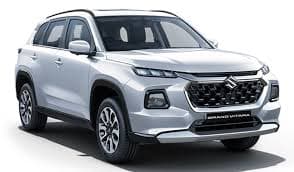
Imagine saving up your hard-earned money, skipping past the basic hatchbacks, and putting down your lakhs on a brand-new, shiny mid-size SUV. You drive it off the showroom floor, feeling like a king, only to have the engine choke and stall repeatedly. That's exactly what happened to Dr. Premraj Debta from Raipur, Chhattisgarh, who bought a Maruti Suzuki Grand Vitara. Instead of enjoying his premium ride, he ended up in a long, exhausting legal battle because his car allegedly couldn't digest the very fuel sold at our local petrol pumps.
In a landmark judgment that has sent shockwaves through the Indian automotive sector, the District Consumer Disputes Redressal Commission of Raipur has directed Maruti Suzuki to replace the doctor's Grand Vitara. The dispute centered around damage linked to E20 fuel, which is petrol blended with 20 percent ethanol. While manufacturers have been shouting from the rooftops about their cars being E20-compliant (yes, really), this case exposes a massive, worrying gap between marketing claims and real-world durability on Indian roads.
The E20 Fuel Conundrum: Why This Case Matters
Let's talk about ethanol blending for a minute. The Indian government has been pushing ethanol-blended petrol aggressively to cut down our astronomical crude oil import bills. It's a great initiative on paper. By 2025, the goal is to have E20 fuel available across the entire country. To keep up, carmakers rushed to update their engines, slap on "E20 Ready" stickers, and update their owner manuals. But what happens when the actual fuel coming out of the nozzle doesn't play nice with the fuel injectors, lines, and tanks?
In Dr. Debta's case, the Grand Vitara reportedly started giving trouble soon after purchase. When he took it to the authorized service center, he was met with the classic runaround. We've all been there—service advisors blaming "poor fuel quality" or "adulterated petrol" to avoid covering expensive repairs under warranty. However, the consumer court wasn't having it. After thoroughly examining all the service records, fuel testing reports, and arguments presented by both Maruti Suzuki and the complainant, the commission ruled that the manufacturer must replace the vehicle. It's a massive victory for the average Indian buyer who usually gets crushed under the weight of corporate legal teams.
What This Means For You and Your Next Car Purchase
This ruling is a massive wake-up call. It sets a huge precedent. If you're planning to buy a new car today, you're almost certainly going to run it on ethanol-blended petrol. If a giant like Maruti Suzuki, which practically understands Indian driving and fuel conditions better than anyone else, can face a court-ordered replacement over fuel-related engine issues, it means the transition to green fuels isn't going as smoothly as we're being told.
Usually, when an engine fails due to fuel issues, the owner is left holding a massive repair bill that can easily cost as much as a mid-spec Swift. Dealerships quickly point to the warranty clause that excludes damage caused by "unsuitable fuel". But this court order flips the script. It tells manufacturers that if you sell a car as "E20-compliant" in India, you better make sure its internals can actually survive the fuel being dispensed at Indian bunks. You can't just write a disclaimer in the owner's manual and wash your hands of the responsibility.
Specs At A Glance
Here is a quick look at the powertrains offered on the Maruti Suzuki Grand Vitara, both of which are marketed as E20-ready:
Engine Type | Displacement | Power Output | Transmission Options | Fuel Compatibility |
|---|---|---|---|---|
1.5L Mild Hybrid (NeoDrive) | 1462 cc | 103 PS | 5-speed Manual / 6-speed Automatic | E20 Compliant |
1.5L Strong Hybrid (Intelligent Electric Hybrid) | 1490 cc | 116 PS (Combined) | e-CVT | E20 Compliant |
How Does It Stack Up Against The Competition?
The Grand Vitara competes in one of the most brutal segments in India, going head-to-head with the Hyundai Creta and the Honda Elevate. All of these modern mid-size SUVs claim to be fully compatible with E20 petrol. However, how they handle the corrosive nature of ethanol is what matters in the long run.
Hyundai's 1.5-litre naturally aspirated and turbo petrol engines have been updated for E20, but the brand has also faced sporadic complaints online about fuel pump failures in areas with high-moisture fuel storage. Honda, on the other hand, relies on its legendary i-VTEC tech. While Honda's engineering is incredibly robust, no brand is completely immune to the long-term corrosive effects of ethanol on plastic and rubber fuel lines if the materials aren't top-tier. Maruti's setback in court might actually force rivals to double-check their own fuel systems before they face similar legal heat.
The Good And The Not-So-Good
What We Like
- Excellent fuel efficiency, especially on the strong hybrid version which rivals diesel economy.
- Plush ride quality that handles broken Indian roads with absolute ease.
- The option of AllGrip AWD for those who love occasional off-road adventures.
- A very strong resale value and the backing of India's largest service network.
What Could Be Better
- The 1.5L mild hybrid engine feels sluggish and underpowered on open highways.
- Interior plastic quality in certain areas feels cheap for a car costing nearly 20 lakhs.
- Boot space in the strong hybrid variant is severely compromised due to the battery placement.
- The looming question mark over how fuel systems handle high-ethanol blends over 5-10 years.
Price & When You Can Buy It
The Maruti Suzuki Grand Vitara is currently on sale across India through Nexa dealerships, with prices starting from approximately ₹10.99 lakh and going up to ₹20.09 lakh (ex-showroom). While this consumer court ruling is a PR headache for Maruti, it doesn't affect current sales or availability. However, you can expect Maruti Suzuki to be much more careful—and perhaps offer quicker warranty resolutions—when customers bring in cars with fuel-related stalling issues in the future.
Our Verdict
In my opinion, this ruling is the reality check that Indian car manufacturers desperately needed. For too long, Indian car buyers have been treated like beta testers for new technologies and fuel transitions. Look, if the government mandates E20 fuel, and carmakers sell us E20-ready cars, the consumer shouldn't have to suffer or fight in court for months just because the engine couldn't handle the fuel. We feel this Raipur court order is a massive win for consumer rights and will force every car brand in India to stop playing the blame game and start building more resilient engines.