What's The Big News?
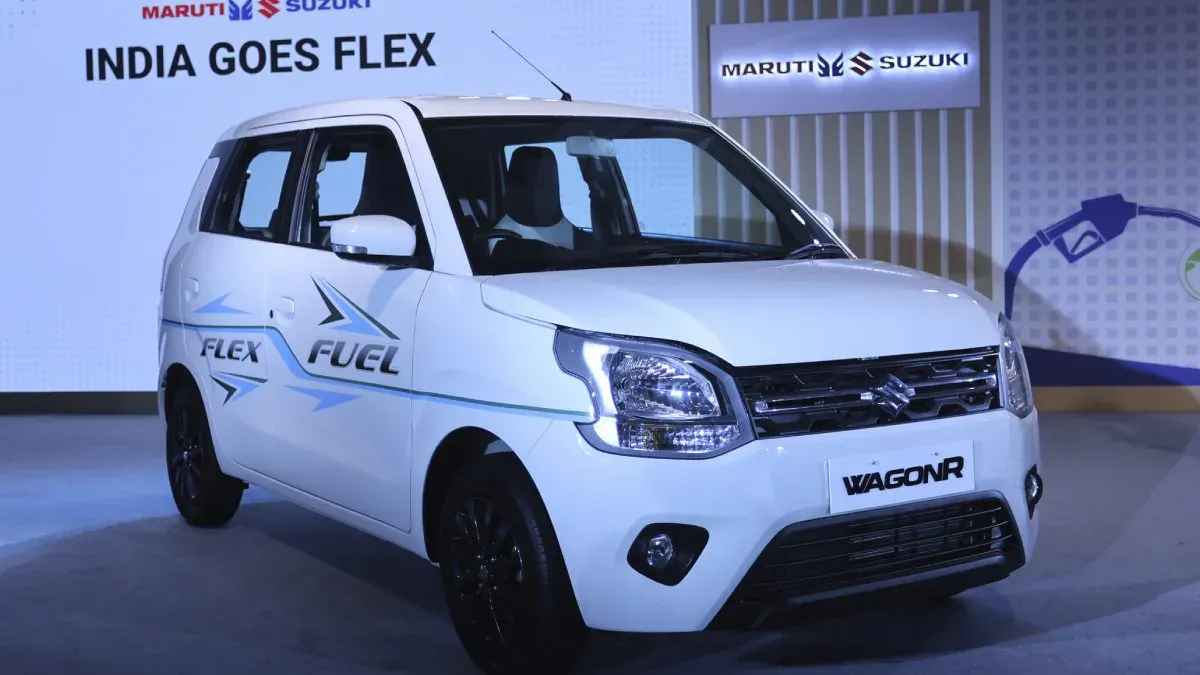
Maruti Suzuki, the name synonymous with affordable and reliable wheels for millions of Indians, has just dropped a bombshell. The company announced a price hike across its entire model range, with certain cars now costing up to a hefty ₹30,000 more. This isn't just a small bump; for many, it's a significant amount on an already stretched budget.
So, if you've been eyeing a new Alto, Swift, or even a Brezza, your dream car just got a bit more expensive. This move isn't completely unexpected, though. We've seen input costs rise steadily, and manufacturers can only absorb so much before passing it on to us, the buyers.
Why Your Maruti Just Got Pricier: The Industry Pressure Cooker
Look, no carmaker wakes up and decides to make their products more expensive just for fun. There's a lot going on behind the scenes pushing these numbers up. We're talking about the cost of steel, aluminium, and even those crucial precious metals used in catalytic converters – they've all shot through the roof globally.
Then there's the whole supply chain drama, which isn't just about microchips anymore. Transportation costs have also climbed, making it more expensive to get parts to the factory and finished cars to the dealerships. Maruti Suzuki, being such a massive volume player, feels these pinches perhaps more acutely than others.
They've been absorbing some of these increases for a while now, trying to keep prices stable for the Indian consumer. But eventually, that well runs dry, and they have to make the tough call. It's a business, after all, and they need to maintain their margins to keep producing the cars we rely on.
Impact on Buyers & The Market Landscape
For someone looking at an entry-level Alto or S-Presso, ₹30,000 is a substantial chunk of their budget, often requiring a longer EMI tenure or a larger down payment. It could even push some potential buyers out of the new car market entirely, towards used cars (yes, really). This amount, for many, is like several months of their petrol bill or a good chunk of a family vacation budget.
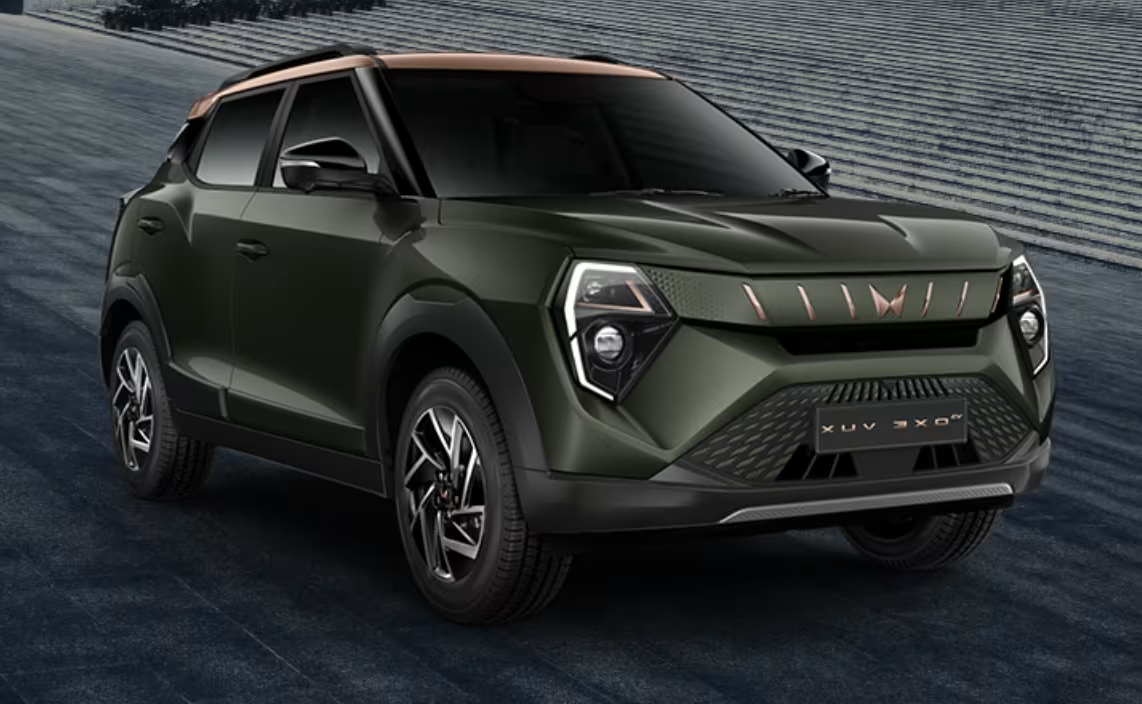
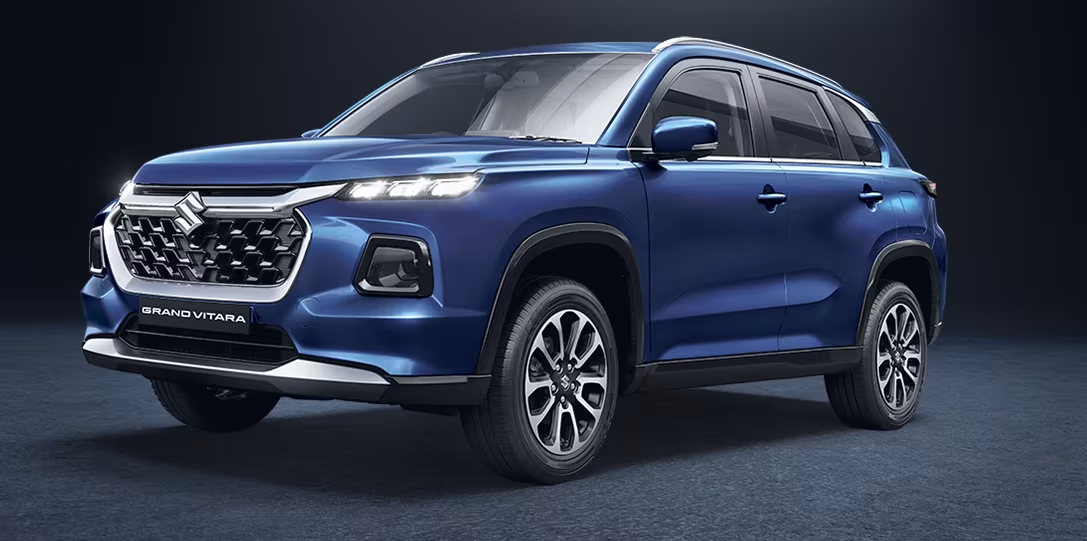
However, for those considering models like the Grand Vitara or the Brezza, while still a hike, it might feel a little less impactful percentage-wise. The bigger question is, will other manufacturers like Hyundai, Tata, and Mahindra also follow suit? History suggests they often do, leading to an overall upward trend in car prices across the board.
This constant upward creep in prices means that buying a new car, which for many is a once-in-a-decade investment, is getting tougher. It's not just about the ex-showroom price anymore; taxes, insurance, and accessories add up quickly, making that 'dream car' tag feel a bit heavier.
Hike Details At A Glance
Aspect | Detail |
|---|---|
Price Increase Range | Up to ₹30,000 |
Affected Models | Maruti Suzuki's entire model range |
Reason Cited | Rising input costs, regulatory changes (general statement) |
Effective Date | Recently implemented across dealerships |
How Does It Stack Up Against The Competition?
Maruti Suzuki has always played the value card brilliantly. Their cars, despite recent improvements in features, are largely seen as VFM (Value For Money) propositions. This hike, while significant, doesn't suddenly make them overpriced compared to rivals like Hyundai, Tata, or Mahindra. Most Maruti models still offer a compelling package for the price, especially when you consider their unmatched service network and resale value.
In fact, most manufacturers have been steadily increasing prices over the last year or so for similar reasons – input costs, new regulations, you name it. So, while Maruti's hike stings, it's more about catching up with market realities than drastically altering their competitive position. You're not going to find a comparable Hyundai Creta suddenly cheaper than a Brezza because of this, for instance.
What it does mean, though, is that the gap between a Maruti and a similarly specced car from a rival might slightly shrink, forcing buyers to look even closer at the feature lists and after-sales service. It’s a tight race out there, and every rupee counts for the discerning Indian buyer.
The Good And The Not-So-Good
What We Like
- Maruti Suzuki's long-standing effort to keep car ownership affordable for the masses, absorbing costs for as long as possible.
- The transparency, even if it's bad news, in announcing the hike.
- Their robust service network and resale value will likely remain strong despite the increase, which is a big plus for owners.
What Could Be Better
- The timing, especially when many families are still recovering economically and planning big purchases.
- The significant impact of a ₹30,000 hike on entry-level model buyers, where every thousand rupees makes a difference.
- A more detailed, model-wise breakdown of the exact price increases would help potential buyers plan their budgets better.
Price & When You Can Buy It
The price hike is already in effect across Maruti Suzuki dealerships nationwide. So, if you're planning to book a car today, you'll be paying the revised prices. There's no escaping it now. The increase applies to the ex-showroom prices, which will naturally affect the on-road price with taxes and insurance. You won't find any 'old stock' at previous prices unless a specific dealer is offering a special discount to clear inventory, which is rare for a recent hike.
Remember, this isn't a future announcement; it's already implemented. So, if you've been sitting on the fence, the fence just got a little higher.
Our Verdict
Honestly, this price hike, while unwelcome, isn't surprising. The economics of manufacturing cars in India, with fluctuating global raw material costs and evolving regulatory standards, means that car prices were only ever going one way – up. Maruti Suzuki held out for a while, absorbing what they could, but eventually, they had to make this move to sustain their operations and profitability. It's a bitter pill, no doubt, especially for those saving for their first car.
For the potential buyer, it's a reminder that budgeting for a new car needs constant adjustment. ₹30,000 could easily cover a year's worth of fuel for a compact car or a good chunk of insurance. But it's also a stark reminder that the era of ultra-cheap cars is slowly but surely fading. We hope to see more value additions in future models to truly justify these steady price bumps and keep the dream of car ownership alive for every Indian.