What's The Big News?
Alright, folks, listen up! There's some genuinely exciting chatter doing the rounds that's got the entire Indian auto industry buzzing. Our very own titans – Maruti Suzuki, Tata Motors, and Mahindra & Mahindra – are reportedly setting their sights on the UK electric vehicle market. This isn't just some casual thought; we're talking about a serious strategic play, driven by the upcoming Free Trade Agreement (FTA) between India and the UK.
Imagine this: 'Made in India' electric cars, engineered and built right here, cruising on British roads. It's a huge potential leap, not just for these companies, but for the pride of Indian manufacturing on the global stage. For years, we've seen international brands come to India; now, the tables might just be turning. We've been test-driving these cars for years on our roads, and frankly, we know they've got the chops. It's about time they showed the world what they're capable of!
India's Big Three Eyeing Blighty
So, why the UK, you ask? Well, it's a mix of strategic timing and market maturity. The UK is aggressively pushing for EV adoption, with strong government incentives and a rapidly expanding charging infrastructure. It's a market that's ready for electric vehicles, and crucially, one that appreciates value – something our Indian manufacturers excel at providing. Plus, that looming trade deal? It's the golden ticket, potentially reducing tariffs and making Indian exports far more competitive against established European and Asian players.
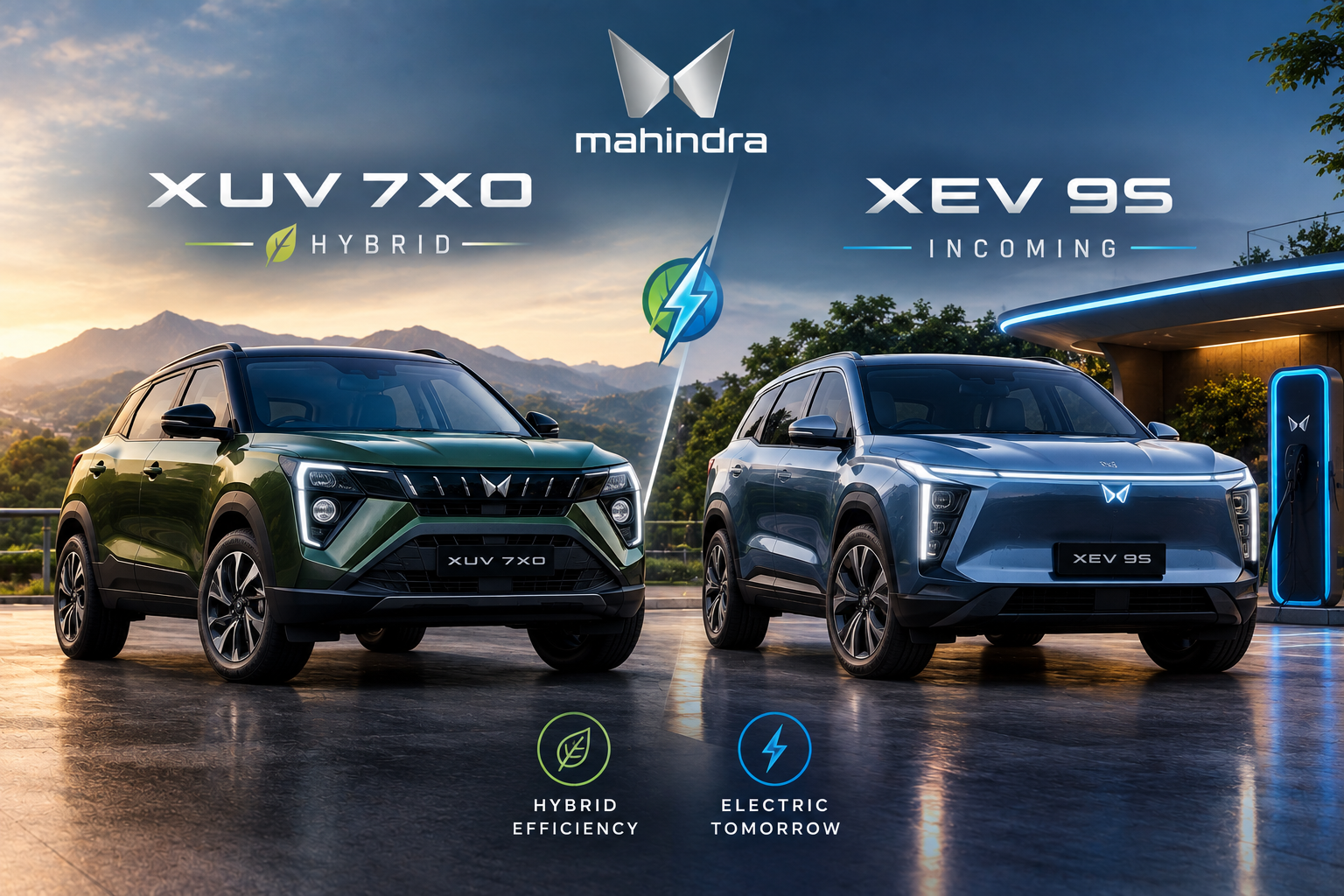
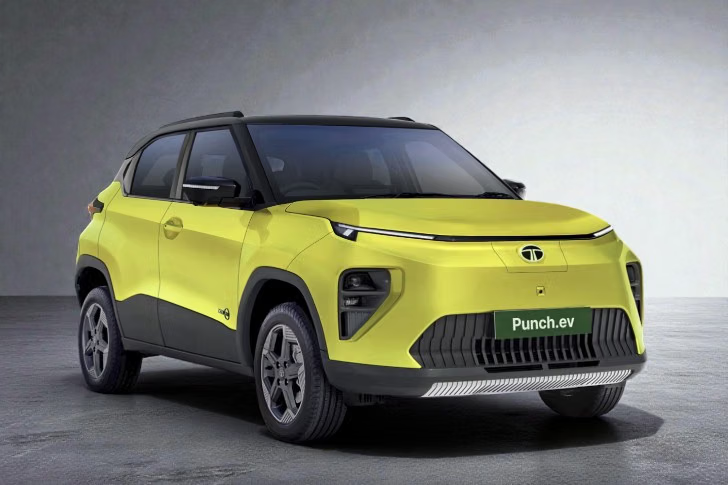
For Maruti Suzuki, this could mean their upcoming eVX global EV, which we've seen in concept form, could be a prime candidate. Tata Motors already has a strong EV lineup here with the nexon-ev">Nexon EV and punch-ev">Punch EV, and Mahindra's XUV400 is gaining traction. These aren't just cars; they're testaments to Indian engineering adapting to global needs. Sending these, or specially adapted versions, to a mature market like the UK would be a huge statement. It’s not just about selling cars; it’s about proving our R&D and manufacturing prowess on an international level (and honestly, it shows in how much progress they've made).
What This Means for Our Homegrown EVs
Here's the thing — when Indian manufacturers aim for international markets, especially one as demanding as the UK, it forces them to level up. Think about it: stricter safety standards (Euro NCAP is no joke!), higher quality expectations, and more advanced features become non-negotiable. This push for global compliance and excellence means better EVs for *everyone*, including us back home in India.
We could see improved battery tech, more refined powertrains, better build quality, and even more premium interiors making their way into the Indian models eventually. It's a virtuous cycle. What they learn and implement for the UK market will inevitably trickle down, making our future EVs even more compelling. It also opens doors for more collaborative R&D, potentially bringing cutting-edge technology to India faster. It's a win-win, really, helping solidify India's position not just as a consumer market but as a global manufacturing hub for EVs. We feel this global ambition is exactly what our industry needs.
Specs At A Glance
Look, folks, this news is about *intent* and *market opportunity*, not specific models or their launch specs yet. So, while we'd love to give you all the juicy details, these are still under wraps. What we do know is that our manufacturers are capable of producing competitive EVs. Specific models and their detailed specifications for the UK market will be announced closer to their respective launches. For now, here's a general idea of what we might expect from potential Indian EV exports:
Feature | Details (for potential UK EV exports) |
|---|---|
Manufacturer Focus | Maruti Suzuki, Tata Motors, Mahindra & Mahindra |
Vehicle Type (Expected) | Compact SUV EVs, Hatchback EVs |
Battery Chemistry | Lithium-ion (Prismatic/Pouch) - Model Dependent |
Expected Range (WLTP) | Likely 300-450 km (Model Dependent) |
Charging Standards | CCS2 (Common in UK) - Model Dependent |
Safety Ratings | Aiming for Euro NCAP 4/5-star (Expected) |
Key Differentiator | Value-for-money, tech-rich package, robust build |
How Does It Stack Up Against The Competition?
Entering the UK EV market isn't going to be a walk in the park. It's a highly competitive space, dominated by established players like MG (which, ironically, is now Chinese-owned but has British heritage), Nissan (with the popular Leaf), Renault, Hyundai, and Kia. Then there are the premium European brands. Indian manufacturers will need to differentiate themselves significantly.
Their primary weapon will likely be the value proposition. Just like how Maruti and Tata carved out market share in India, they'll aim to offer more features, better range, and superior practicality for a price point that undercuts rivals. Imagine a well-equipped Indian EV coming in for the price of a mid-spec Swift but with EV tech! They'll also need to prove reliability and build quality to match the demanding European standards. It won't be easy, but if anyone can crack the value code, it's these guys. They've done it here, they can do it there.
The Good And The Not-So-Good
What We Like
- Global Ambition: It's fantastic to see Indian brands aiming for international markets, pushing the 'Made in India' narrative.
- Quality Push: Competing in the UK will force even higher standards in design, safety, and technology, benefiting Indian consumers too.
- R&D Boost: Exposure to advanced markets means more investment in research and development, potentially leading to cutting-edge tech.
- Brand Prestige: A successful run in the UK can significantly boost the global image and perception of Indian automotive brands.
What Could Be Better
- Fierce Competition: The UK EV market is crowded; establishing a foothold against global giants will be challenging.
- Adaptation Challenges: Meeting specific European regulations, consumer preferences, and climate conditions requires significant R&D and investment.
- Brand Perception: Indian brands might initially face an uphill battle against established names in terms of perception and trust among UK buyers.
- Logistics & Support: Building a robust sales, service, and charging ecosystem from scratch in a new country is a massive undertaking.
Price & When You Can Buy It
Don't hold your breath for immediate UK launches or prices; this is a long game. While the intent is clear, bringing new models to an overseas market involves extensive testing, homologation, setting up distribution networks, and a whole lot of planning. Pricing will be announced closer to their respective UK launches, and we're talking about a multi-year roadmap here, not next quarter. Currently, specific models and their timelines for the UK market remain under wraps, with announcements expected once the trade deal particulars are finalised and strategic decisions are locked in.
Our Verdict
Look, this news isn't just a headline; it's a testament to the growing confidence and capability of India's automotive sector. For Maruti, Tata, and Mahindra to be seriously eyeing the UK EV market is a huge statement. It signals a shift from purely domestic focus to global ambition, and that's something we, as Indian enthusiasts, should be incredibly proud of. It won't be an easy journey; the competition is brutal, and the standards are high.
But if there's one thing these Indian manufacturers have shown us over the years, it's their resilience and their ability to deliver value and innovation. Honestly, this is a massive step towards India becoming a significant player in the global EV landscape. We're keeping our fingers crossed and our eyes peeled – the prospect of our homegrown EVs making a mark on international roads is genuinely thrilling.