What's The Big News?
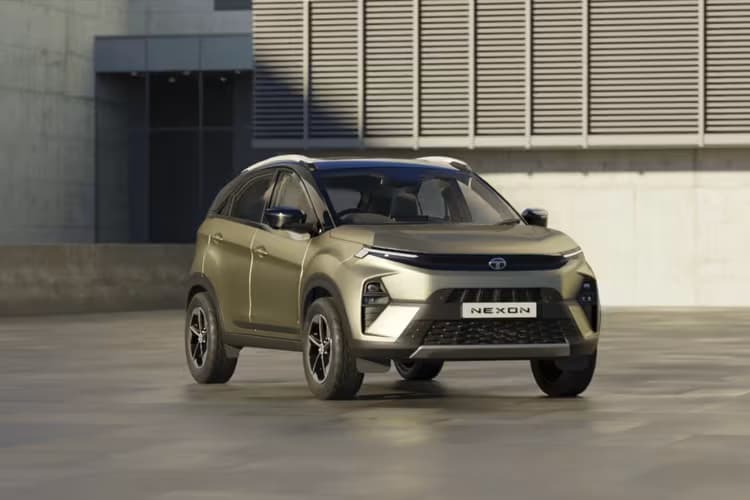
Alright folks, buckle up! We've got some genuinely exciting news for anyone eyeing a compact SUV in the next couple of years. The next-generation Tata Nexon, India's favourite home-grown compact SUV, has been caught testing on our roads, and believe me, this isn't just another cosmetic update. We're talking about a complete overhaul, from the ground up, that could seriously shake up the segment.
The biggest headline here, and honestly, the most crucial bit of information we've got, is that this upcoming Nexon isn't just getting new sheet metal. It's making a massive jump from its current, aging X1 platform to Tata's more advanced, modular ATLAS platform. That's huge! This isn't just about a refreshed look; it's about a fundamental change in how the car is built, designed, and performs. Think better safety, more space, and a driving experience that could be leagues ahead.
Under The Skin: The ATLAS Platform Advantage
Here's the thing — a new platform isn't just marketing fluff; it's the very foundation of a car. The current Nexon, while a segment leader, rides on the X1 platform that's been around for a while. Moving to the modular ATLAS architecture is like giving the Nexon a whole new skeleton. What does that mean for you, the buyer?
First off, safety. A newer, modular platform generally allows for better crash structures and the integration of more advanced safety features. Tata has always been strong on safety, and with ATLAS, we can expect them to push the boundaries even further. Imagine a compact SUV that's not just a 5-star GNCAP performer but possibly sets new benchmarks. Secondly, packaging. Modular platforms offer more flexibility, potentially freeing up more cabin space, especially in the rear, and possibly a more usable boot. This could resolve some of the minor niggles current owners have about rear legroom or luggage capacity. Thirdly, driving dynamics. A modern platform usually translates to better ride comfort, improved handling, and reduced NVH (Noise, Vibration, and Harshness). We're expecting a more refined, planted feel, especially on our less-than-perfect Indian roads. And finally, future-proofing. ATLAS is designed to accommodate multiple powertrain options, which means seamless integration for petrol, diesel (if it's still around), and crucially, electric powertrains. So, if you're waiting for an even better Nexon EV, this platform is its backbone.
Fresh Face, Smarter Cabin: Design & Interiors
While the platform is the heart of the matter, what you actually see and touch matters too, right? Our spy shots, though camouflaged, hint at a significantly evolved design language. We're expecting cues from Tata's recent concepts like the Curvv or even the harrier-ev">Harrier EV. This means sharper lines, a more pronounced DRL signature (Tata's signature split headlamp design is likely here to stay, and honestly, it shows), and a generally more futuristic stance. The wheels, too, look different, probably larger alloys, giving it a more premium and aggressive road presence. It won't just look like a facelift; it'll look like a completely new model, which it essentially is.
Step inside, and that's where the magic truly happens. While details are scarce, a new platform usually allows for a complete redesign of the dashboard and cabin layout. We can anticipate higher quality materials, better fit and finish (about time, Tata!), and a cabin that feels more premium. Expect larger, more integrated infotainment screens, a digital instrument cluster, and potentially more advanced driver assistance systems (ADAS) trickling down from higher segments. Tata has been doing great work with their interiors recently, and the next-gen Nexon should push that envelope even further, making it a much more comfortable and tech-laden space for both driver and passengers. It's not just about flashy screens; it's about usability and a premium feel that lasts.
Specs At A Glance
Feature | Details |
|---|---|
Platform | Modular ATLAS Architecture |
Engine Options | Likely 1.2L Turbo Petrol, potentially new 1.5L Turbo Petrol. Diesel (TBA) |
Transmission | Manual, AMT, DCT (expected) |
EV Variant | Confirmed for future release on ATLAS platform |
Launch Timeline | Expected late 2026 / early 2027 |
Dimensions | Expected to be slightly larger than current model (official figures TBA) |
Safety | Expected to meet stringent new safety norms, higher GNCAP rating anticipated |
How Does It Stack Up Against The Competition?
The compact SUV segment is a brutal battlefield. The current Nexon already fights hard against stalwarts like the Maruti Brezza, Hyundai Venue, and Kia Sonet. With the next-gen model, Tata is clearly aiming for a knockout punch. The Brezza, while reliable and a Maruti, lags a bit on the feature front and the sheer platform advancement. The new Nexon's ATLAS platform could give it a significant edge in ride, handling, and safety that the Brezza can't match.
Against the Korean twins, Venue and Sonet, known for their feature-rich cabins and modern engines, the new Nexon will likely counter with its own suite of advanced tech, better build quality, and potentially a more robust driving feel. Where the Koreans often focus on bells and whistles, Tata's strength has been solidity and safety, and with ATLAS, they're only going to amplify that. The Mahindra XUV300, another strong contender in safety, might find itself facing an equally safe but more modern and spacious rival in the 2027 Nexon. This isn't just about feature parity anymore; it's about a complete package that offers more inherent goodness.
The Good And The Not-So-Good
What We Like
- Brand New Platform: The modular ATLAS architecture promises significant leaps in safety, space, ride quality, and future-proofing (especially for EVs). This is a game-changer.
- Evolved Design Language: Expect a sharper, more modern exterior with cues from Tata's latest concepts. It'll look fresh.
- Premium Interior: Higher quality materials, larger screens, and better ergonomics are expected, making the cabin a nicer place to be.
- Enhanced Safety: With Tata's track record and a new platform, a top-tier safety rating is almost guaranteed.
- Future-Proofing: Ready for multiple powertrain options, including advanced EVs, right from the start.
What Could Be Better
- Long Wait: A 2027 launch is still a fair bit away. Patience will be key for interested buyers.
- Pricing: A significant upgrade in platform and features will undoubtedly push prices higher. It won't be as affordable as a mid-spec Swift, that's for sure.
- Initial Niggles: With any entirely new platform and model, there's always a slight chance of early production issues or software glitches.
- Competition Won't Stand Still: Rivals will also update their offerings by 2027, keeping the segment intensely competitive.
Price & When You Can Buy It
As this is still in the early spy shot phase, exact pricing is a long way off. However, given the move to a new, advanced platform and the expected leaps in features and quality, we anticipate the next-gen Nexon to command a premium over the current model. Pricing will be announced closer to launch, but don't be surprised if the top variants nudge into the ₹15-16 lakh (ex-showroom) territory. As for when you can get your hands on one? Based on the development stage, we're looking at a tentative launch in late 2026 or early 2027. It's a wait, but from what we're seeing, it could be well worth it.
Our Verdict
Look, the current Tata Nexon has been a phenomenal success story, capturing the hearts of Indian buyers with its bold looks, robust build, and strong safety. But the move to the modular ATLAS platform for the next generation isn't just an evolution; it's a revolution. This isn't just a facelift or a minor engine tweak; it's a complete rethink of what a compact SUV from Tata can be. We're talking about a car that promises to be safer, more spacious, more refined, and packed with cutting-edge technology. Honestly, this could be the biggest game-changer for Tata in the compact SUV space since the original Nexon. For those who can wait, the 2027 Nexon looks set to redefine expectations and set new benchmarks, making it a serious contender for anyone's hard-earned money.