What's The Big News?
Alright folks, if you're like me, always keeping an eye out for what's next in the Indian auto scene, then this piece of news from Renault will definitely get your attention. We're hearing whispers, strong whispers mind you, that the French carmaker is prepping two brand-new 7-seater SUVs, the Bridger and the Bigster, for a grand unveiling at the Auto Expo 2027. Yes, 2027 might seem a bit far off, but for a segment as hot as 7-seaters, it's never too early to start saving and planning, is it?
This isn't just about adding more cars to their lineup; it's about Renault making a serious play for a chunk of the market currently dominated by the likes of Maruti, Hyundai, and Mahindra. They've had success with the Triber, but these new SUVs are expected to be in a whole different league, aiming at the heart of the family car segment. If these reports hold true, we could be looking at two very important vehicles for Renault's future in India.
Renault's Two-Pronged Attack: Bridger & Bigster Unpacked
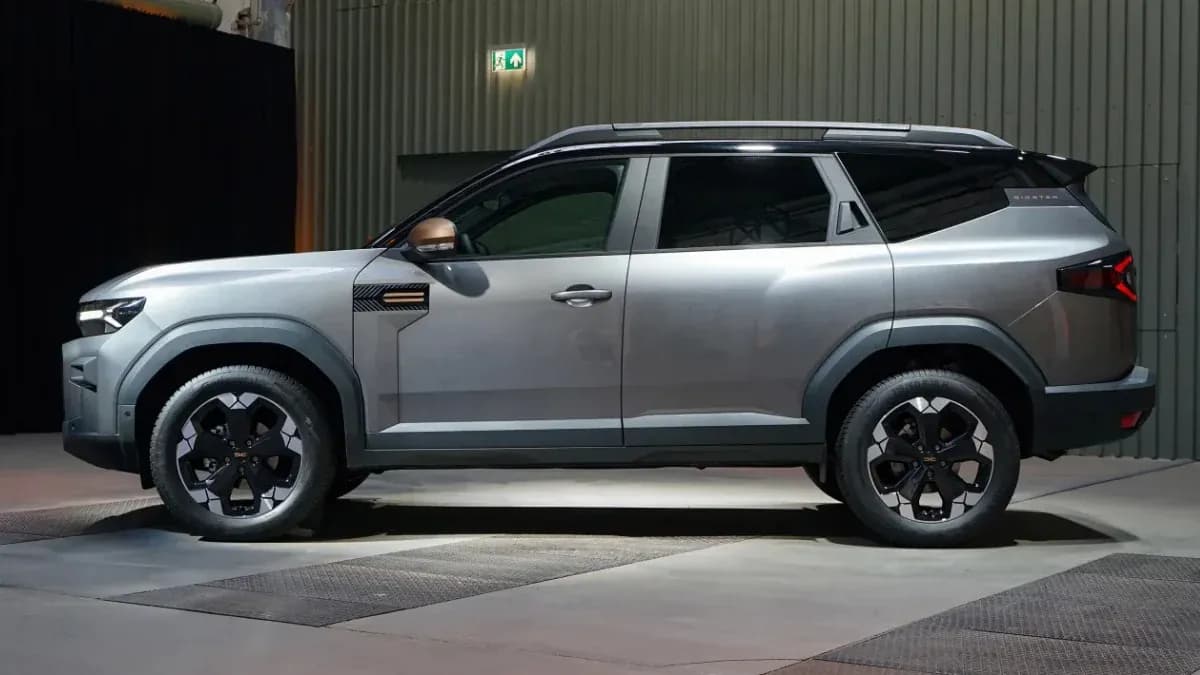
So, what exactly are these 'Bridger' and 'Bigster' models? Globally, the Bigster is already quite a known entity, previewed as a concept under Dacia, Renault's sister brand. It's a proper C-segment SUV, designed to be rugged, spacious, and practical. Think of it as a no-nonsense, go-anywhere family hauler. For India, we're expecting it to carry the Renault badge, likely with a few tweaks to suit local tastes and regulations, maybe a bit more chrome here and there to appeal to our market (and honestly, it shows). This one is likely to take on the likes of the XUV700 and Safari head-on.
The Bridger, on the other hand, is a bit more of a mystery. Some speculate it could be a slightly smaller 7-seater, perhaps based on the CMF-B platform, or even a rebadged Dacia model adapted for emerging markets. If it’s positioned a bit lower than the Bigster, it could go up against the Kia Carens and Hyundai Alcazar, giving buyers a more affordable, yet still spacious, 7-seater option. Renault really needs to get the positioning right here; a well-spec'd, well-priced Bridger could easily eat into the sales of established players.
Design & Expected Features: What To Look For
When it comes to design, if the Bigster takes cues from its Dacia concept, expect a muscular, upright stance with prominent wheel arches and a strong road presence. It won't be a curvy, sleek crossover; it's designed to look tough. We're hoping Renault gives it a distinctive India-specific front fascia, perhaps borrowing elements from their global design language seen on models like the Austral or Rafale, but scaled for robustness. Inside, expect a focus on practicality and space, which is paramount for any 7-seater in India. We'll be looking for flexible seating configurations, enough boot space even with all three rows up (a common complaint, isn't it?), and good cabin ergonomics.
Feature-wise, for 2027, the bar will be significantly higher than it is today. We can expect a large touchscreen infotainment system, digital driver's display, connected car tech, automatic climate control, and possibly even ADAS features on higher variants. Safety is becoming non-negotiable, so multiple airbags, ABS with EBD, and ISOFIX child seat mounts will be standard. Renault really can't afford to skimp here; Indian buyers are demanding more bang for their buck, and they've got options.
Specs At A Glance
Feature | Details (India Spec) |
|---|---|
Seating Capacity | 7 occupants |
Body Type | SUV |
Expected Powertrain | Petrol (1.0L Turbo / 1.3L Turbo), potentially Hybrid options |
Transmission | Manual & Automatic (CVT/DCT expected) |
Platform | CMF-B (Bridger), CMF-CD (Bigster - expected) |
Debut | Auto Expo 2027 (Likely) |
Expected Rivals | Kia Carens, Hyundai Alcazar, Mahindra XUV700, Tata Safari |
How Does It Stack Up Against The Competition?
The 7-seater segment is a battlefield, my friends. On one end, you've got the budget-friendly but extremely popular Maruti Suzuki Ertiga and XL6, which offer practicality for the price of a mid-spec Swift. If the Bridger is positioned here, it needs to offer more space, better build, and a richer feature set to justify a premium. Then there's the middle ground with the Kia Carens and Hyundai Alcazar, both feature-loaded and comfortable, giving urban families a great option. The Bigster, if it's the larger, more premium offering, will directly lock horns with the Mahindra XUV700 and Tata Safari – both formidable players with strong engines, solid road presence, and an ever-growing list of features.
Renault's biggest challenge will be carving out its own niche. They've got to offer something truly compelling – be it a unique design, class-leading space, a brilliant ride-and-handling balance, or an unbeatable price-to-value proposition. Simply adding another 7-seater won't cut it in 2027. We've seen how tough it is for new entrants, and even established brands, to make a mark without a clear differentiator.
The Good And The Not-So-Good
What We Like
- Fresh Design Language: Renault's global designs are sharp; hopefully, these will bring that freshness to India.
- Focus on Space: Being 7-seaters, they're designed for families, so good cabin space and flexible seating are expected.
- Potential for Multiple Offerings: Having two models means Renault can target different price points within the 7-seater segment.
- Global Pedigree: The Bigster's Dacia roots suggest a robust and practical build, which is a big plus for Indian roads.
What Could Be Better
- Late Entry: 2027 is still a fair bit away; competition will only get tougher by then.
- Feature Parity: Renault needs to ensure these cars are loaded with competitive features right from launch.
- Service Network: Expanding and improving their sales and service network will be crucial for buyer confidence, especially in smaller towns.
- Engine Options: They need potent and refined engines, including a strong automatic, to compete effectively.
Price & When You Can Buy It
As of now, specific pricing details are, of course, under wraps. We're talking about a vehicle that's still a few years from its official debut. However, based on their expected positioning, we can make some educated guesses. The Renault Bridger, if it aims for the Alcazar/Carens segment, could see pricing start from around ₹12-13 lakh ex-showroom, going up to ₹18-20 lakh for top-spec variants. The larger and more premium Bigster, on the other hand, might enter the market in the ₹15-16 lakh range and go all the way up to ₹25 lakh for its fully loaded trims.
The official India debut is "likely" at the Auto Expo 2027. This means we're probably looking at a market launch sometime in late 2027 or early 2028. That's a good two to three years of waiting, so hold onto your wallets! It gives Renault ample time to fine-tune the cars for India and build up the hype.
Our Verdict
Here's the thing — Renault desperately needs these cars. While the Kwid and Triber have kept the lights on, they haven't been game-changers in the way the Duster once was. Entering the 7-seater SUV space with two distinct offerings shows a clear intent to reclaim some lost ground. If they can nail the design, offer class-leading space, pack in features that Indian buyers demand, and price them aggressively, the Bridger and Bigster could indeed be the shot in the arm Renault India needs.
Honestly, the success of these models will hinge not just on the product itself, but on Renault's overall strategy – from marketing to dealership experience. Getting those right will turn these two SUVs from mere contenders into segment disruptors. We'll be watching closely, and you should too.