What's The Big News?
Alright, petrolheads and EV enthusiasts, listen up! We've got a juicy bit of news trickling down from the automotive grapevine about Tata's much-hyped Avinya electric vehicle. This isn't just another EV in the pipeline; the Avinya concept promised something truly futuristic, and now it seems its foundations are going to match that ambition.
The word is out: the production version of the Tata Avinya is set to use a modular EV platform that's been co-developed with none other than Chery and JLR. Now, that's a big deal! It means Tata isn't just slapping an electric motor into an existing frame; they're aiming for a truly premium, born-electric experience right from the ground up. But before you get too excited, mark your calendars – we're looking at a 2027 launch timeline, which, let's be honest, feels like an eternity in the fast-moving EV world.
A Premium Foundation for Tata's Future
So, what does a Chery-JLR co-developed platform actually mean for us, the Indian consumer? Simple: it translates to a significantly more advanced and refined vehicle. We're talking about a dedicated EV architecture, which inherently offers advantages like better space utilization inside, superior crash structures designed for battery packs, and a truly flat floor for passengers. This isn't your average ICE car converted to electric; it's engineered for electrification from day one.
Think about it. A platform shared with JLR products, even if co-developed, implies a certain level of engineering prowess and component quality. This could bring in advanced battery management systems, faster charging capabilities, and potentially even sophisticated driver-assistance features that you typically see in much pricier European cars. For Tata, this is a massive leap forward, moving beyond their current Gen 1.0 and Gen 2.0 EV architectures to something truly global-spec. It's a statement that they're serious about taking on the premium EV segment, not just dominating the budget end.
Design & Market Impact: A Long Road Ahead
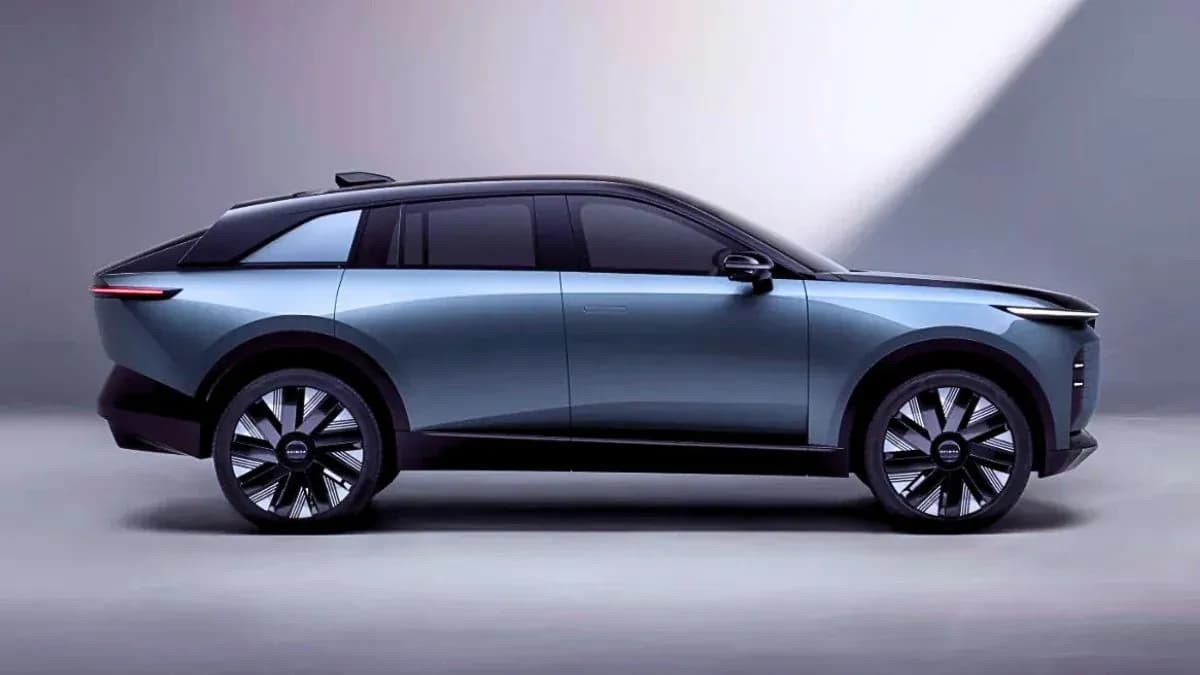
Remember the Avinya concept? It was a head-turner, wasn't it? A blend of an SUV, an MPV, and a premium hatchback, with clean lines and that distinctive 'wing' DRL signature. With a dedicated EV platform underneath, the designers will have much more freedom to retain that futuristic, minimalistic interior we saw in the concept. No transmission tunnel means more legroom, a floating centre console, and a generally airier cabin – a big plus for our often-cramped city commutes.
However, the 2027 launch date is the elephant in the room. Three years is a long time in the automotive industry, especially for EVs. The market will undoubtedly evolve, with new players and more advanced tech emerging regularly. Tata will need to ensure the Avinya, when it finally arrives, still feels cutting-edge and offers compelling value against rivals like the Hyundai Ioniq 5 and Kia EV6, which would have likely seen updates by then. It's a challenge, but also an opportunity for Tata to refine and perfect the product.
Specs At A Glance
Feature | Details |
|---|---|
Platform Type | Chery-JLR co-developed modular EV architecture |
Expected Launch | 2027 |
Design Philosophy | Born Electric (based on Avinya concept) |
Body Style (Concept) | Multi-purpose EV (blend of SUV/MPV/Hatchback) |
Battery & Range | Official figures awaited, but premium segment implies high range |
Charging | Advanced fast charging expected |
Powertrain | Details to be revealed, likely multiple motor options |
How Does It Stack Up Against The Competition?
Currently, in the premium-ish EV space, you're primarily looking at the Hyundai Ioniq 5 and the Kia EV6. Both are fantastic cars, offering great range, modern tech, and striking designs. The Ioniq 5, especially, has resonated well with its retro-futuristic charm and practical cabin. The Avinya, when it launches in 2027, will enter a market that's likely even more crowded and competitive.
With this Chery-JLR platform, Tata has the potential to match, if not exceed, the Ioniq 5 and EV6 in terms of driving dynamics, safety, and core EV performance. The real differentiator will be the final design, the level of interior refinement, and crucially, the pricing. If Tata can deliver a genuinely premium, technologically advanced product that undercuts its Korean rivals by a significant margin, it could be a massive hit. It's about offering a homegrown option that doesn't compromise on global standards.
The Good And The Not-So-Good
What We Like
- Premium, Dedicated EV Platform: This is a game-changer for Tata, promising superior engineering and safety.
- Futuristic Design Potential: The concept was stunning, and a dedicated platform allows for better translation to production.
- Advanced Tech: Shared platform likely means access to cutting-edge battery, charging, and ADAS tech.
- Tata's EV Expertise: India's EV leader bringing its experience to the premium segment.
What Could Be Better
- The Long Wait: 2027 is a long way off; the market dynamics could shift dramatically.
- Expected Price Point: A premium platform usually means a premium price, possibly pushing it into a segment where Tata isn't traditionally dominant.
- Unknown Final Specs: We're still in the dark about crucial details like range, battery size, and power outputs.
Price & When You Can Buy It
As we've mentioned, the Tata Avinya is slated for a 2027 launch. That means you won't be able to put down a booking anytime soon, and we'll have to wait quite a while for any official price announcements. Given the premium platform and the segment it's targeting, expect it to sit well above Tata's current EV offerings like the nexon-ev">Nexon EV Max or punch-ev">Punch EV.
Pricing will be revealed closer to its market debut. However, based on the competition and the kind of tech it's likely to pack, don't be surprised if it lands in the range of ₹30-45 lakh (ex-showroom). That's a significant jump for a Tata, but if the product delivers on its promise of a truly premium EV experience, it could be justified.
Our Verdict
This news about the Tata Avinya getting a Chery-JLR co-developed platform is incredibly exciting for the Indian EV landscape. It shows Tata's serious ambition to not just lead the mass-market EV charge but to carve out a significant presence in the premium segment too. A dedicated, advanced EV architecture means we can genuinely expect a world-class product in terms of safety, performance, and cabin experience. Honestly, Tata needs a halo product like this to truly cement its position as an EV innovator.
However, that 2027 timeline is a tough pill to swallow. Three years is enough time for several new models to launch and for technology to advance significantly. Tata will have its work cut out to ensure the Avinya feels fresh and relevant when it finally rolls off the production line. But if they pull it off, the Avinya could very well be the car that truly puts Indian-made premium EVs on the global map. We'll be watching this space very closely!