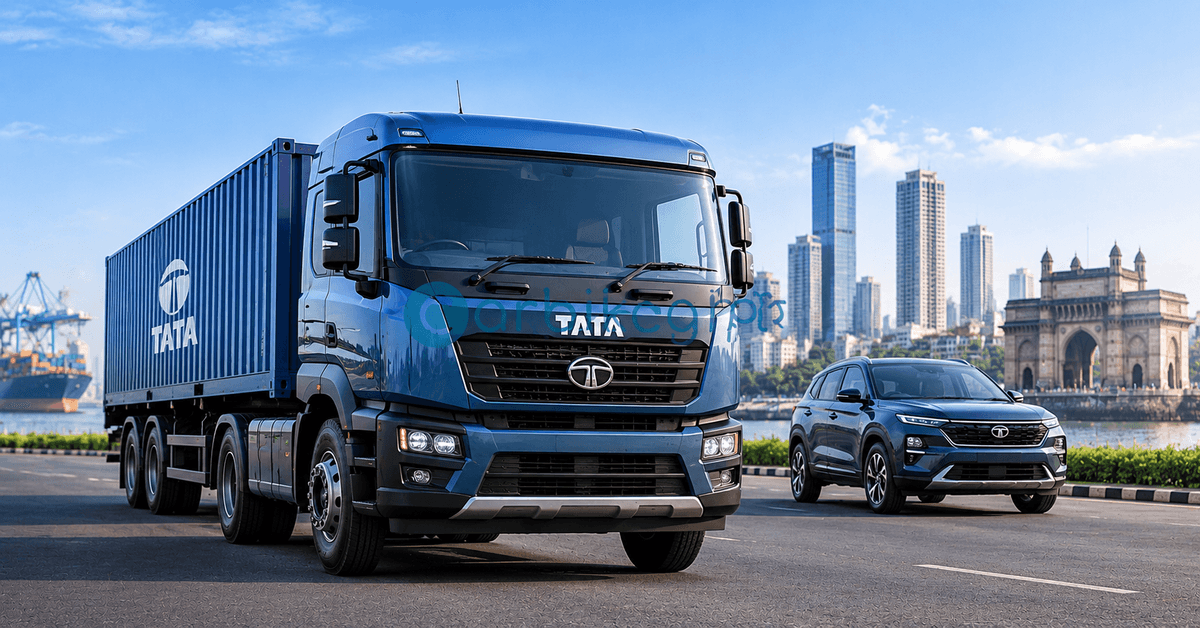
What's The Big News?
Alright, folks, Arman here, and I've got some genuinely exciting chatter from the automotive grapevine that you absolutely need to hear. It seems like the Tata Group, our very own Indian conglomerate, is suddenly the belle of the ball on the global stage. We're hearing whispers that major international automakers are lining up, keen to partner with Tata across various segments – from building vehicles to cutting-edge engineering and even advanced technology.
This isn't just about sourcing parts, mind you. We're talking about serious interest in Tata's EV platforms, their software prowess, and the deep engineering capabilities they've honed over years, especially with brands like Jaguar Land Rover under their belt. It’s a huge validation for Indian automotive innovation, showcasing that our homegrown talent isn't just catching up, it's actually leading the pack in some crucial areas.
Tata's Tech Prowess: What's Getting Global Attention?
So, why are these global giants suddenly knocking on Tata's door? Well, it's not a mystery if you've been following their trajectory. Firstly, their EV game is strong, and honestly, it shows. Tata Motors has quickly become the undisputed leader in India's electric passenger vehicle market. They've invested heavily in developing scalable, modular EV platforms – think about the nexon-ev">Nexon EV's Ziptron tech or the upcoming Avinya and Curvv concepts. These aren't just one-off projects; they're comprehensive architectures that can underpin a whole range of future electric vehicles.
Then there's the software angle. Modern cars are basically computers on wheels, right? Tata's working on advanced software-defined vehicle architectures, which means over-the-air updates, sophisticated infotainment systems, and autonomous driving capabilities are all part of their in-house development. This is a massive draw for global players who might need to fast-track their own digital transformation without reinventing the wheel. Plus, let's not forget the sheer engineering talent pool available here in India, coupled with Tata's global R&D footprint, especially through the experience gained from JLR. That's a powerful combination that few others can offer at this scale.
What This Means for Indian Buyers (and Tata's Future)
Now, for us, the end-consumers who buy these machines, what does all this corporate handshake mean? Simple: better cars, faster. If global collaborations materialize, we could see Tata integrating even more advanced technologies into their mass-market vehicles quicker than expected. Imagine global safety standards, cutting-edge infotainment, or even more efficient powertrains filtering down into cars priced for the Indian market.
It could also mean new models, perhaps co-developed with international brands, tailored specifically for our conditions but built on global platforms. Think about the potential for shared R&D, optimized supply chains, and bringing down the cost of advanced tech. For Tata, it solidifies their position not just as a national champion, but as a significant global player and technology provider. It's a testament to their long-term vision and investment in R&D, something we've been asking for from Indian manufacturers (about time, Tata!).
Key Areas of Global Interest in Tata Group
This isn't about buying a car, but about what Tata brings to the table for global partners. Here's a look at the capabilities that are drawing international attention:
Advertisement
Area of Interest | Details/Capability | Current Status (as reported) |
|---|---|---|
Electric Vehicle Platforms | Advanced modular EV architectures (e.g., Ziptron, acti.ev) | Leading India's EV market; scalable solutions |
Software Defined Vehicles | In-house software development, OTA updates, AI integration | Significant investment in digital & connectivity tech |
Engineering Services | Global R&D, product development, design expertise (via JLR experience) | Robust engineering talent pool; cost-effective solutions |
Component Sourcing & Supply Chain | Extensive local and global supply chain network | Strategic partnerships for critical components (e.g., batteries) |
Battery Technology & Manufacturing | Potential for cell manufacturing, energy storage solutions | Exploring localizing battery production |
How Does Tata's Global Proposition Stack Up?
Look, when global automakers look for partners, they're not just scanning the local newspaper ads. They're weighing options from established European engineering firms, nimble Asian tech companies, and even other full-stack manufacturers. So, how does Tata stand out? Firstly, it's their integrated approach. They aren't just an engineering house; they're a full-fledged automotive manufacturer with design, R&D, production, and sales capabilities, plus the software know-how. This makes them a one-stop shop for many potential collaborators.
Secondly, the cost advantage of developing and manufacturing in India is undeniable. For global players looking to diversify their supply chains or develop more affordable platforms, Tata offers a compelling proposition without compromising on quality or innovation, thanks to JLR's influence. While other players might offer specific expertise, Tata's broad-spectrum capability, coupled with their rapid EV adoption and software focus, gives them an edge. It’s like having a full thali when everyone else is offering just one dish.
The Good And The Not-So-Good
Let's break down what this news truly means.
What We Like
- Global Validation: This isn't just good for Tata; it's a huge stamp of approval for the entire Indian automotive ecosystem. It shows we're not just assembling; we're innovating.
- Tech Leapfrogging: Collaborations could bring cutting-edge global tech to India faster, benefiting consumers with better, safer, and more advanced vehicles.
- Economic Boost: More partnerships mean more investment, more jobs, and a stronger position for India in the global automotive supply chain.
- Diversification for Tata: It reduces reliance on just the Indian market and opens up new revenue streams as a technology and engineering provider.
What Could Be Better
- Execution Challenges: Global collaborations are complex. Aligning different corporate cultures, intellectual property rights, and strategic goals isn't always a smooth ride.
- Maintaining Identity: Tata will need to ensure these partnerships enhance, rather than dilute, their unique brand identity and focus on the Indian market.
- Pace of Impact: While exciting, the actual benefits to consumers might take a few years to fully materialize in new products. It's not an overnight transformation.
Impact on Future Vehicles & Market Timing
Since this isn't about a specific product launch, there's no price to announce or a "buy it now" date. However, the ripple effects of these potential collaborations are what we should watch for. We're talking about long-term strategic moves that could influence future vehicle architectures, powertrain options, and in-car tech from Tata Motors.
Don't expect a new car next month born purely out of these discussions. These are foundational partnerships that could lead to new vehicle platforms, shared R&D projects, or even joint ventures down the line. We might start seeing the fruits of these efforts in new Tata models perhaps three to five years from now, with improved global-standard features and potentially more competitive pricing due to economies of scale. It's a long game, but one with huge potential upside for Indian buyers.
Our Verdict
Honestly, this news is a massive shot in the arm for the entire Indian automotive sector. For years, we've talked about India becoming a manufacturing hub. Now, we're talking about India becoming a technology and engineering hub that global players actively seek out. It's a testament to Tata's foresight, their willingness to invest in future tech like EVs and software, and their ability to leverage the JLR experience. In my opinion, this isn't just about Tata getting more business; it's about validating India's capability on a world stage. It means better, more sophisticated vehicles for us in the long run, and that's something worth cheering about. It's a signal that Indian ingenuity is ready for prime time, globally.