What's The Big News?
Alright, folks, Arman here, straight from the CarBikeGPT garage. We've just crunched the numbers for October 2026 motorcycle sales, and let me tell you, it's been a cracking month for the two-wheeler industry. Domestic motorcycle sales shot up to a whopping 14,23,118 units – that's a solid 6.56% leap from last year's festive season numbers. Even compared to September, we're seeing a slight uptick, proving that India's love affair with bikes isn't just alive, it's thriving.
What's really interesting isn't just the sheer volume, but *which* bikes are pulling in those numbers. The usual suspects – Splendor, Shine, Pulsar, Apache, Classic, Unicorn, Raider, Bullet – they're all there, front and centre. It tells you a lot about our market, doesn't it? Despite all the fancy new tech and aggressive marketing, the tried-and-tested workhorses and beloved classics still rule the roost. For riders who save up for years to buy their dream machine, reliability and value for money always win.
The Commuter Kings: Why India Still Trusts Its Workhorses
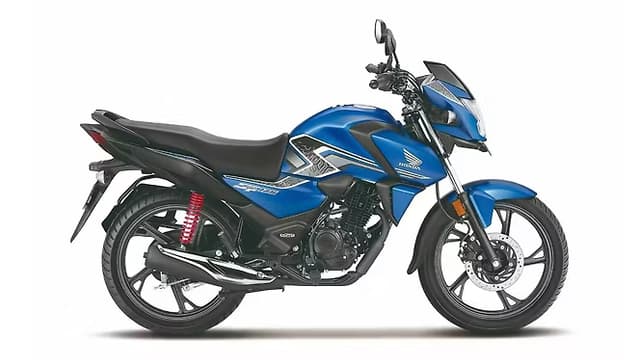
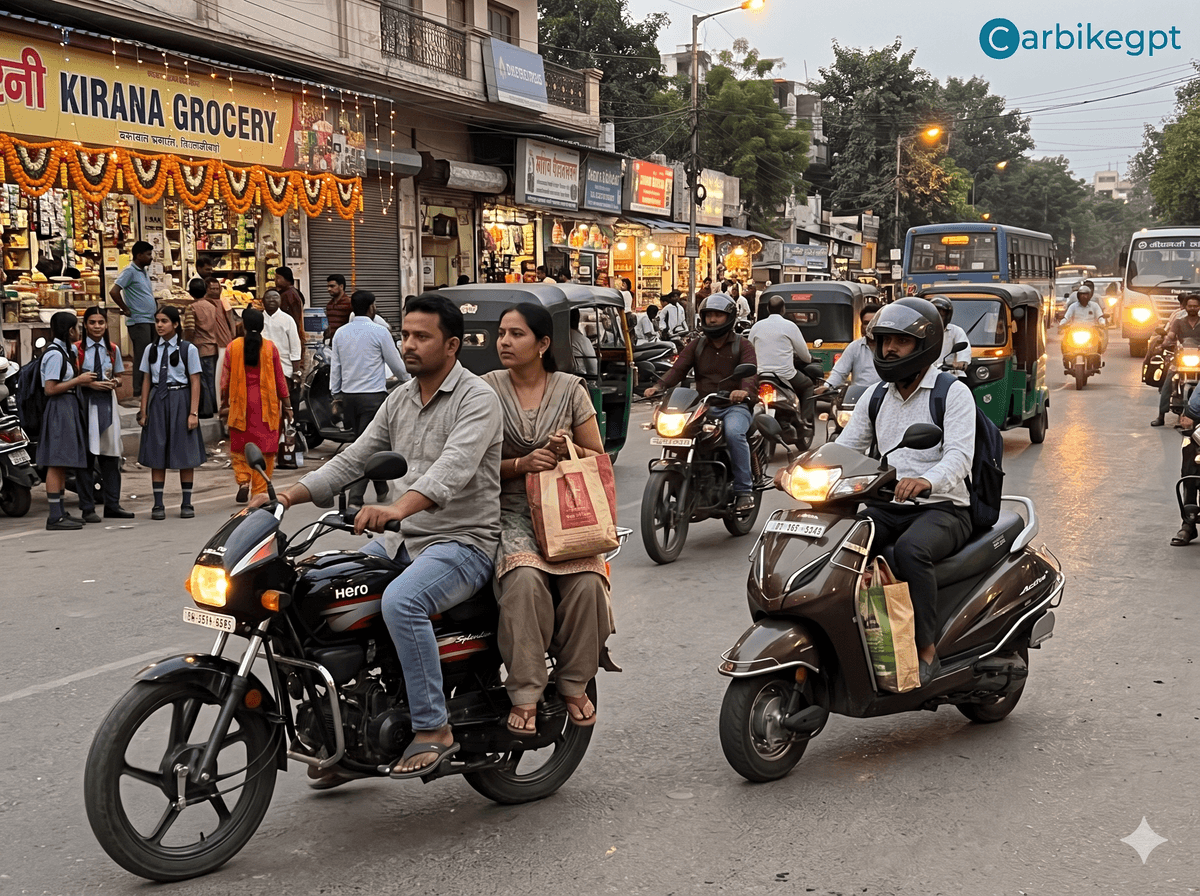
Look, when it comes to Indian roads, the 100-125cc commuter segment is the undisputed champion. Bikes like the Hero Splendor, Honda Shine, and even the TVS Raider and Honda Unicorn, they aren't just motorcycles; they're the backbone of our daily lives. They get you to work, drop the kids at school, and carry the groceries, all without breaking a sweat or burning a hole in your pocket. The Splendor, especially, continues its almost unbelievable run. It’s a legend, really. Its sheer bulletproof reliability and the kind of fuel economy that makes you smile at the petrol pump are unbeatable.
These bikes aren't about raw power or flashy graphics; they're about practicality, low maintenance, and a widespread service network that you can find even in the remotest villages. Honda's Shine and Unicorn also demonstrate that same core philosophy. The Raider, on the other hand, shows a slightly newer trend – a commuter with a dash of style and modern features, appealing to a younger crowd who still needs efficiency but wants a bit more zing. Honestly, these bikes sell by the lakh because they deliver exactly what the average Indian family needs, day in and day out.
Performance, Style, and Heritage: The Aspiration Segment
Beyond the pure commuters, we see another strong category: the 150-200cc performance-oriented bikes and the 350cc retro classics. Bajaj Pulsar and TVS Apache have been slugging it out in the sport-commuter segment for what feels like an eternity. They offer that perfect balance of city usability and enough grunt for a weekend highway sprint. They're what you upgrade to after your first 100cc bike, offering a taste of performance without costing an arm and a leg. Their sharp looks, peppy engines, and decent handling make them a favourite among college students and young professionals alike.
Then there's the Royal Enfield Classic and Bullet. These aren't just motorcycles; they're a statement. Owning a Classic 350 is like buying into a legacy, a piece of Indian motorcycling history. Their thumping engines, distinctive styling, and the feeling of solid, old-school metal they offer are something modern bikes just can't replicate. The sales numbers for these machines prove that a significant chunk of Indian buyers aren't just looking for transport; they're looking for an experience, a connection to heritage, and something that stands out from the crowd. (Yes, really, the sound alone is enough for many!).
Specs At A Glance
While specific new model specs aren't the focus here, let's look at the typical characteristics that make these segments so popular.
Advertisement
Feature | Typical 100-125cc Commuter (e.g., Splendor, Shine) | Typical 150-200cc Sport-Commuter (e.g., Pulsar, Apache) | Typical 350cc Retro Classic (e.g., Classic, Bullet) |
|---|---|---|---|
Engine Type | Single-cylinder, Air-cooled | Single-cylinder, Air/Oil-cooled | Single-cylinder, Air/Oil-cooled |
Engine Displacement | 100-125cc | 150-200cc | 350cc |
Max Power (approx.) | 8-11 bhp | 14-20 bhp | 20-20.5 bhp |
Max Torque (approx.) | 9-11 Nm | 13-18 Nm | 27 Nm |
Transmission | 4/5-speed manual | 5-speed manual | 5-speed manual |
Fuel Economy (expected) | 55-70 kmpl | 35-50 kmpl | 35-40 kmpl |
Brakes (F/R) | Drum/Drum (Disc F optional) | Disc/Disc | Disc/Disc |
Suspension (F/R) | Telescopic/Twin Shocks | Telescopic/Monoshock or Twin Shocks | Telescopic/Twin Shocks |
How Does It Stack Up Against The Competition?
Here's the thing — these dominant players aren't necessarily 'competing' against each other in the traditional sense, but rather against a host of newer, often more technologically advanced bikes trying to break into their segments. Take the 100-125cc commuter space: while new entrants might offer digital instrument clusters or slightly sharper designs, they struggle to unseat the Splendor or Shine because those bikes have built decades of trust in reliability, maintenance costs, and, crucially, resale value. For the price of a mid-spec Swift, you could buy a couple of these, and that's a huge factor.
In the 150-200cc category, the Pulsar and Apache maintain their stronghold by constantly evolving and offering a good blend of performance and features at competitive prices. They face stiff competition from bikes like the Yamaha FZ series or Suzuki Gixxer, but their established brand loyalty and widespread service network give them an edge. The Royal Enfield Classic, on the other hand, operates almost in a league of its own. Its direct competitors might be bikes like the Honda H'ness CB350 or Jawa Perak, but none truly capture that unique, authentic, 'Made in India' retro vibe with the same widespread appeal and cult following. It’s a testament to brand power and heritage.
The Good And The Not-So-Good
What We Like
- Unmatched Reliability: These bikes are built to last on Indian roads, handling everything we throw at them.
- Exceptional Fuel Economy: Especially the commuters, they're designed to be pocket-friendly for daily use.
- Extensive Service Network: You'll find a mechanic for a Splendor or Pulsar almost anywhere in India.
- Strong Resale Value: They hold their value well, making them a smart investment for many buyers.
- Segment-Defining Design & Heritage: The Classic and Bullet offer a unique, aspirational ownership experience.
What Could Be Better
- Stale Designs (for some commuters): While reliable, some of the commuter bikes could use a design refresh.
- Limited Feature Sets: Many still lack modern features like LED lighting, digital clusters, or advanced safety tech as standard.
- Performance Gaps: While adequate, the 100-125cc bikes often leave enthusiasts wanting more power.
- Vibration and Refinement: Some of the older-gen models, particularly the larger displacement ones, can feel a bit unrefined compared to modern global standards.
Price & When You Can Buy It
Since we're talking about established bestsellers and not new launches, these bikes are readily available at dealerships nationwide right now. Pricing for the commuter segment, like the Hero Splendor Plus or Honda Shine, typically starts from around ₹75,000 and goes up to ₹95,000 ex-showroom, depending on variants and disc brake options. For the sport-commuters like the Bajaj Pulsar 150/160 or TVS Apache RTR 160/180, you're looking at a range of roughly ₹1.10 lakh to ₹1.40 lakh ex-showroom.
The Royal Enfield Classic 350 and Bullet 350, which sit in a more premium segment, are priced between ₹1.90 lakh and ₹2.20 lakh ex-showroom, depending on the specific model and colour schemes. These prices have been quite stable, reflecting the value proposition these brands offer. There aren't any major price changes expected for these existing models, as their pricing is key to their continued market dominance.
Our Verdict
October 2026's sales figures are a clear indicator of the Indian motorcycle market's resilience and its deep-rooted preferences. While new bikes with cutting-edge tech are always exciting, the consistent performance of these top 10 players proves that what really matters to the average Indian buyer is a blend of reliability, fuel efficiency, low maintenance, and a widespread service network. The aspirational segment adds a layer of heritage and performance for those who can stretch their budget a bit more.
In my opinion, these bikes aren't just selling because they're cheap; they're selling because they represent true value, a trusted companion for daily life, or a dream machine that embodies a legacy. The market might evolve, but the core needs of Indian riders remain largely unchanged. And honestly, it shows in these numbers.