What's The Big News?
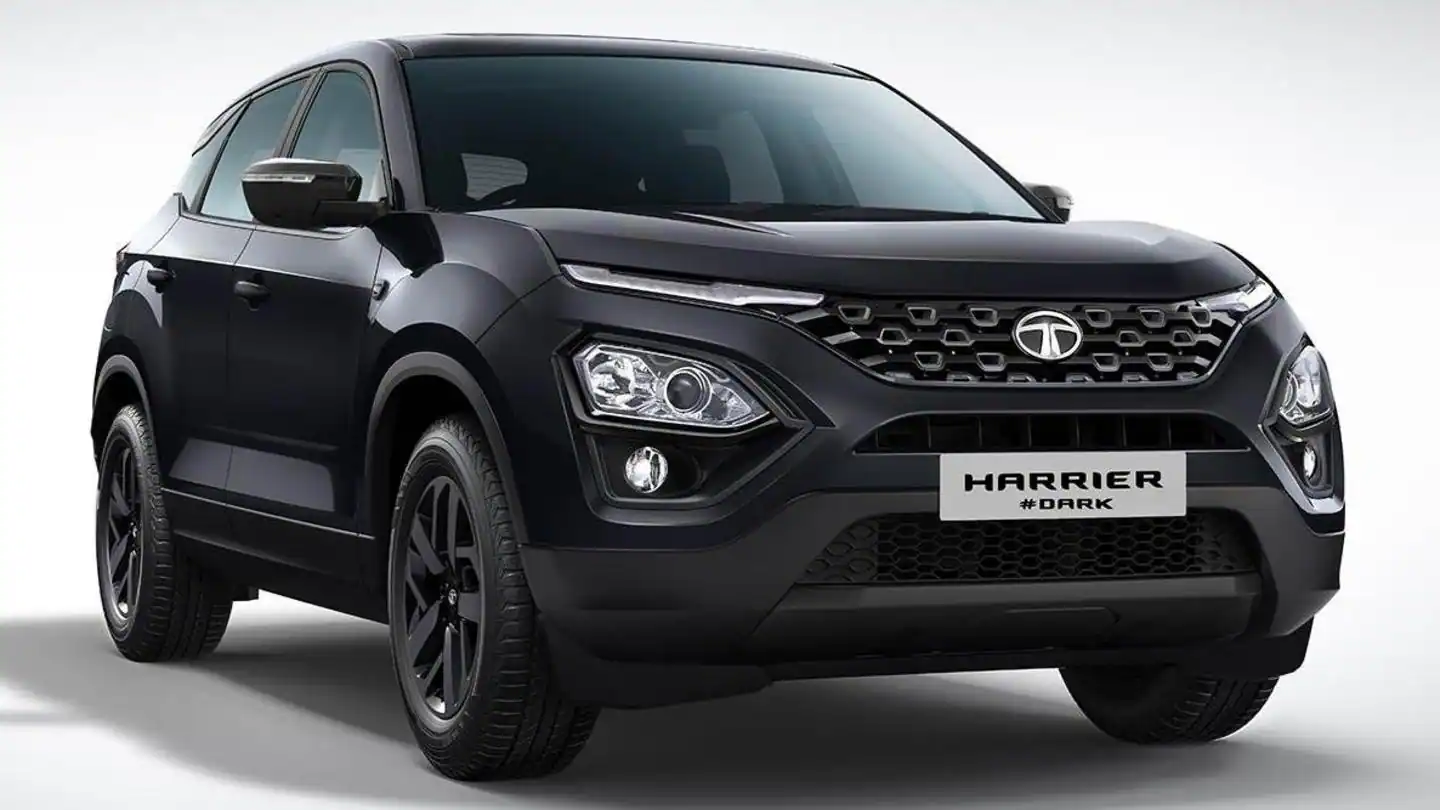
Tata Motors, fresh off its success with models like the Nexon and Harrier, reportedly wants to expand its global footprint. A potential partnership with Stellantis (the parent company of brands like Jeep, Citroen, and Peugeot) could be the key to unlocking new markets and technologies. This isn't just about selling more cars; it's about Tata playing on the world stage.
For Indian car buyers, this could translate to faster access to cutting-edge tech, more advanced EVs, and potentially even Tata-badged vehicles built on Stellantis platforms. Imagine a Tata SUV with Jeep's off-road capability or a Tata hatchback with Citroen's quirky design flair. The possibilities are intriguing, to say the least.
What Could This Mean For Tata's Future Models?
A tie-up with Stellantis opens up a whole new world of possibilities for Tata Motors. Think about it: Stellantis has a vast portfolio of brands, each with its own unique expertise. Tata could leverage this expertise to develop new engines, improve vehicle safety, and enhance the overall driving experience. We might see Tata cars with Peugeot's refined suspension, or even Jeeps assembled in Tata's factories for export. The synergies are definitely there.
Furthermore, Stellantis has been aggressively pursuing electrification, with ambitious plans for EV development across its brands. Tata could tap into this knowledge base to accelerate its own EV program, potentially launching more affordable and technologically advanced electric cars in India sooner than expected. Imagine a sub-₹10 lakh Tata EV with a real-world range of 400km — that could truly shake up the market.
Technology Sharing & Platform Development
One of the most exciting aspects of this potential partnership is the prospect of shared platforms and technologies. Stellantis has invested heavily in developing modular platforms that can underpin a wide range of vehicles. If Tata were to gain access to these platforms, it could significantly reduce development costs and time-to-market for new models. This could allow Tata to offer a wider variety of vehicles, from compact hatchbacks to full-size SUVs, without breaking the bank.
Shared technology could also extend to areas like connected car features, autonomous driving systems, and advanced safety technologies. Tata could incorporate Stellantis' expertise in these areas to create safer, more intelligent, and more user-friendly vehicles. Let's face it, better tech at a better price is something every Indian buyer wants (and honestly, it shows when a manufacturer skimps).
Specs At A Glance
Feature | Details |
|---|---|
Potential Areas of Collaboration | EV Technology, Platform Sharing, Global Manufacturing |
Stellantis Brands | Jeep, Citroen, Peugeot, Fiat, Chrysler, Maserati, Alfa Romeo |
Tata Motors Current Focus | Expanding EV Portfolio, Global Market Expansion |
How Does It Stack Up Against The Competition?
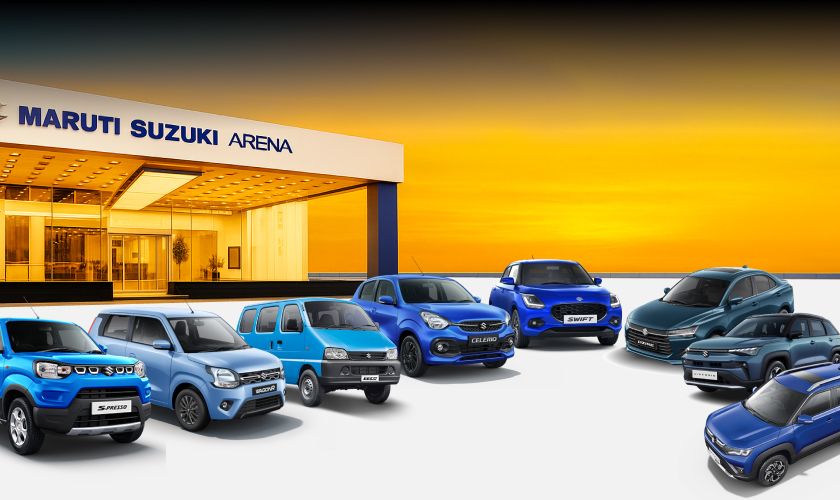
Right now, Tata's main rivals in the Indian market are Maruti Suzuki and Hyundai. A partnership with Stellantis could give Tata a significant edge in terms of technology and global reach. Maruti Suzuki, while dominant in the small car segment, lacks a strong presence in the EV space. Hyundai has a growing EV lineup, but it doesn't have the same kind of brand recognition or off-road pedigree as Jeep. A Tata-Stellantis alliance could potentially combine the best of both worlds, offering a compelling alternative to these established players.
Mahindra is another key competitor, especially in the SUV segment. Mahindra has been focusing on building rugged, capable SUVs with a strong emphasis on Indian heritage. A Tata-Stellantis partnership could allow Tata to compete more effectively in this segment by leveraging Jeep's off-road expertise and global engineering resources.
The Good And The Not-So-Good
What We Like
- Access to advanced EV technology
- Potential for shared platforms and reduced development costs
- Expanded global reach and manufacturing capabilities
- Opportunity to create more competitive and innovative vehicles
What Could Be Better
- Potential for brand dilution if Tata loses its unique identity
- Risk of increased complexity in manufacturing and supply chain
- Need to carefully manage the integration of different cultures and engineering practices
Price & When You Can Buy It
It's too early to talk about specific models or pricing, as the partnership is still reportedly in the exploratory phase. However, if the partnership does materialize, we can expect to see new Tata vehicles incorporating Stellantis technology within the next few years. Pricing will depend on the specific models and technologies involved, but Tata will likely aim to offer competitive pricing to maintain its position in the Indian market. Expect more news in late 2024 or early 2025.
Our Verdict
A potential partnership between Tata Motors and Stellantis is definitely something to watch. It could be a game-changer for Tata, allowing them to accelerate their EV program, expand their global reach, and offer more competitive vehicles in the Indian market. There are challenges to overcome, but the potential rewards are significant. Honestly, this could be the move that catapults Tata Motors into a truly global player. Keep an eye on this space — things are about to get interesting.