What's The Big News?
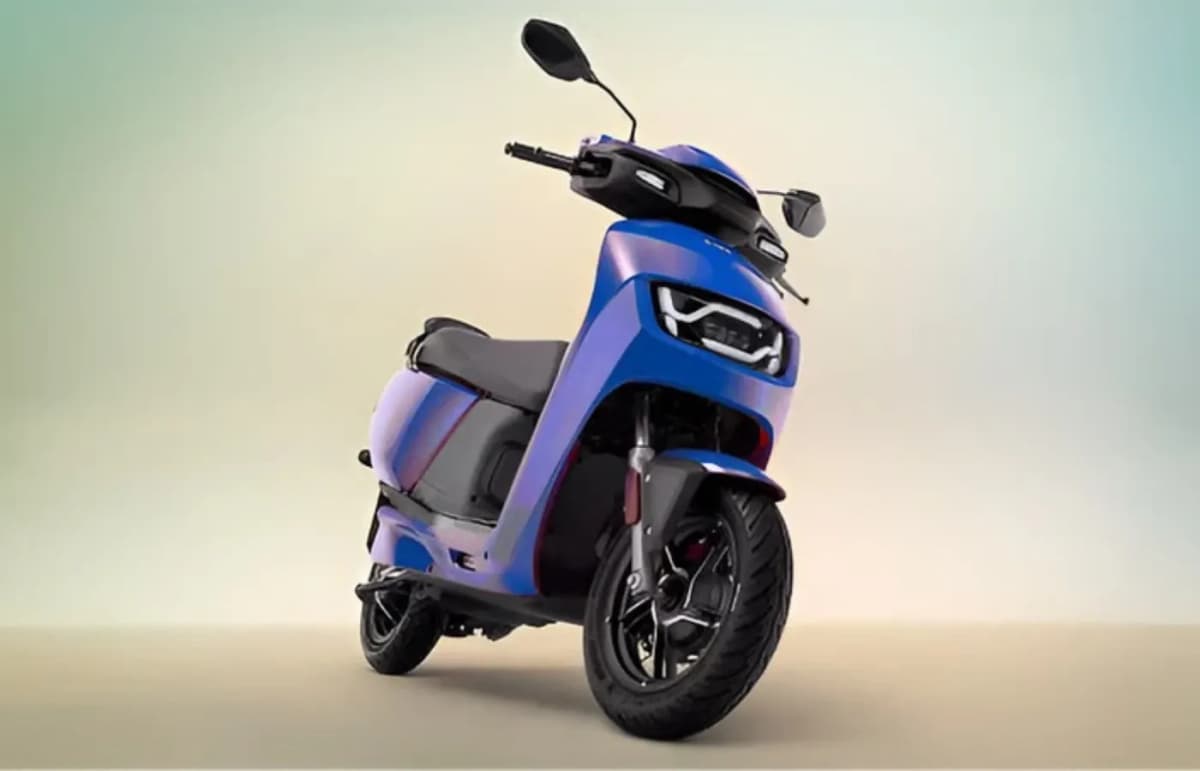
Walk into almost any EV showroom today and you'll find floorboards, under-seat storage buckets, and pastel-painted body panels. Electric scooters have completely hijacked the conversation in India. If you wanted a proper motorcycle with a tank between your knees, your choices were basically limited to a couple of brave startups fighting for survival while the big legacy manufacturers sat comfortably on the sidelines.
Well, that snooze fest is about to break wide open over the next 9 to 12 months. The giants of Indian motorcycling are finally rolling up their sleeves. Between Royal Enfield debuting its radical Flying Flea brand, Hero MotoCorp readying its assault, Honda prepping localized electric platforms, and startups like Oben expanding their footprint, electric motorcycles are finally about to get serious.
The Heavyweights Are Finally Stepping Up
Royal Enfield threw everyone off balance when they pulled the covers off the Flying Flea C6. For a brand that built an entire cult around the iconic 'thump' of a long-stroke single, stepping into the silent electric arena is a bold roll of the dice. Instead of building a heavy, battery-stuffed Classic 350 lookalike, they built a featherweight urban machine featuring an aluminium frame and a retro girder front fork (yes, really). It looks like something built for a trendy art district, yet it carries the historical wartime heritage of the original lightweight Flying Flea.
Hero MotoCorp isn't sitting quiet either. While their Vida sub-brand handles the daily scooter commute, Hero has been collaborating behind the scenes with California-based Zero Motorcycles. That partnership is designed to bring premium, high-voltage performance architectures into accessible price brackets. Hero knows how to build bikes for real Indian roads, and when they roll out a mass-market electric motorcycle, it won't just be an experiment — it'll land in thousands of showrooms overnight.
Honda's Chess Move And The Startup Retaliation
Honda has played the waiting game longer than anyone else. In true Honda fashion, they've watched competitors stumble over early battery bugs, software glitches, and fire-safety recalls. Now, with their dedicated electric two-wheeler roadmaps locked in, Honda is gearing up to introduce both battery-swapping options and fixed-battery electric commuters. If history has taught us anything from the CD100 to the Shine, it's that when Honda enters a utilitarian segment, reliability is the name of the game.
Homegrown challengers like Oben Electric are also keeping the pressure high. The Oben Rorr showed that a startup can design an electric motorcycle specifically around Indian weather conditions using resilient LFP battery chemistry. Over the next year, updates and newer variants from Oben and other domestic innovators will try to hold ground before the heritage giants unleash their full marketing budgets.
Specs At A Glance
Bike Model | Claimed / Expected Range | Top Speed | Battery Tech | Expected Status |
|---|---|---|---|---|
Royal Enfield Flying Flea C6 | TBA (City-focused) | TBA | In-house pack with magnesium casing | Showcased, Launch by 2026 |
Oben Rorr (Updates) | 187 km (IDC) | Around 100 km/h | 4.4 kWh LFP Battery | On sale / Expansion ongoing |
Hero-Zero Electric Bike | 120–150 km (Expected) | TBA | High-density Lithium-ion | Under development |
Honda Electric Motorcycle | TBA (Commuter focus) | TBA | Fixed / Swappable options (TBA) | Roadmap announcement expected |
How Does It Stack Up Against The Competition?
Up until now, the electric motorcycle segment in India has been a lonely playground. You have the Revolt RV400 holding down the budget commuter fort, while the Ultraviolette F77 caters to folks who have deep pockets and a track-day itch. The problem? The middle ground has been empty. Commuters who want the stability of 17-inch wheels without settling for the build quality of a cheap commuter runabout have had nowhere to go.
A bike like the Royal Enfield Flying Flea targets an entirely different demographic than the tech-heavy Ultraviolette. It's aiming for lifestyle riders who care more about timeless industrial design and lightweight city cruising than blistering quarter-mile runs. Meanwhile, Hero and Honda will likely hit the heart of the commuter segment, challenging the Revolt RV400 by offering far wider service networks and bulletproof dealership trust.
The Good And The Not-So-Good
What We Like
- Proper motorcycle dynamics — larger wheels, better stability over potholes, and classic riding postures.
- Legacy brand backing means you won't have to worry about the company disappearing overnight.
- Distinct designs emerging, like the Flying Flea's forged aluminium frame and retro styling cues.
- LFP battery options from brands like Oben offer better thermal stability for hot Indian summers.
What Could Be Better
- Electric motorcycles sacrifice the massive under-seat grocery storage that makes scooters so practical.
- Legacy brands are taking their sweet time, meaning showrooms won't see massive stock tomorrow.
- Highway touring remains out of reach until charging infrastructure outside tier-1 routes dramatically improves.
Price & When You Can Buy It
Official pricing for most of these upcoming heavyweights remains under wraps, as manufacturers are timing their announcements to match component localization goals. Royal Enfield has confirmed that the Flying Flea brand will see its commercial rollout starting in 2026, with pricing expected to sit firmly in the premium urban segment — likely well above standard commuter territory.
For the mass-market commuter bikes coming from Hero and potential offerings from Honda, we expect brands to aim closer to the ₹1.30 lakh to ₹1.70 lakh bracket to stay competitive against high-end 150cc petrol motorcycles. Startup updates, like newer iterations from Oben, will continue hovering in that sweet spot where local state subsidies make them accessible to daily office-goers.
Our Verdict
Here's the thing — electric scooters were the sensible first chapter of India's EV transition, but nobody ever plastered a poster of an automatic step-through on their bedroom wall. Motorcycling in India is emotional. We love the feeling of shifting weight into a corner, gripping the tank with our knees, and riding something that looks purposeful standing still.
Having Honda, Hero, and Royal Enfield enter the electric motorcycle fray changes the dynamic entirely. It legitimizes the segment. It forces suppliers to scale up, drives battery costs down, and ensures you won't be stuck waiting months for a replacement spare part. The next 12 months won't completely kill petrol motorcycles, but they will finally give gear-heads a silent, stylish reason to take electric mobility seriously.