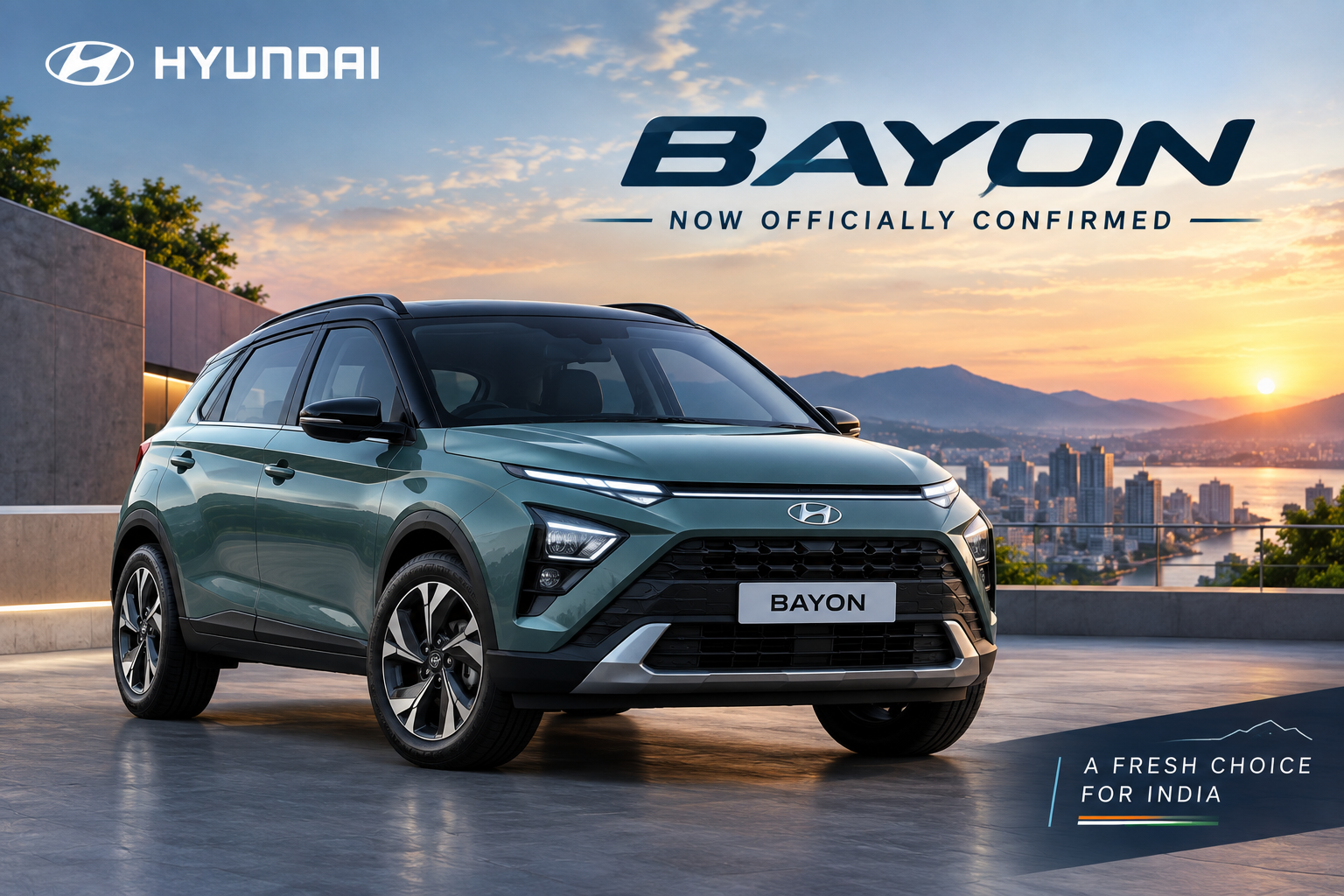
What's The Big News?
For over a decade, one name has consistently sat atop India's car sales charts like a king on its throne: Maruti Suzuki. We're not just talking about winning a month or two; we're talking about outright domination, year after year, with models that have become household names from Kanyakumari to Kashmir. These aren't just cars; they're dreams for millions, the first big purchase after years of saving.
So, when we talk about "India's bestselling car," it's more than just numbers. It's about understanding the pulse of the nation, what drives our choices, and what a brand needs to do to win over the discerning (and often budget-conscious) Indian buyer. With the market evolving faster than ever, and 2026 just a few years away, the big question isn't just who was number one, but who will be and how they'll manage it.
Maruti's Unchallenged Reign: How They Did It
Let's be frank, Maruti Suzuki hasn't just sold cars; they've sold peace of mind. Their winning formula has always revolved around affordability, incredible fuel efficiency that Indian families crave, and a service network wider than the Ganga itself. You can find a Maruti service centre in places where you might struggle to find a decent chai stall (yes, really). This widespread reach and the easily accessible, pocket-friendly spares have built an unparalleled trust factor.
Think about it: the Alto, the Swift, the WagonR, the Baleno – these aren't just models; they're institutions. They've consistently delivered what the average Indian buyer wants: a reliable, no-nonsense car that doesn't break the bank to buy or to run. Maruti understood early on that for most Indians, a car is a utility first, a status symbol second. They capitalized on that, offering dependable workhorses that seamlessly fit into our daily lives, from congested city commutes to those long highway trips to the ancestral village. It's a strategy that's worked wonders, giving them an iron grip on the market for what feels like an eternity.
The Shifting Sands: What Could Change in 2026?
Now, while Maruti's dominance is undeniable, the playing field isn't what it used to be. Buyers are changing. They're savvier, more exposed to global trends, and willing to pay a little more for safety, features, and a bit of flair. The big shift? SUVs. Everyone wants an SUV, from compact ones like the Brezza to bigger beasts. Maruti's been playing catch-up a bit here, but they're bringing out models like the Grand Vitara and Fronx to stay in the game.
Then there's the EV revolution. Tata Motors, in particular, has really shaken things up with the nexon-ev">Nexon EV, making electric cars a tangible reality for many. Hyundai, Mahindra, and even newer players are pushing the envelope with advanced features, better safety ratings, and more appealing designs. The days of basic, no-frills cars dominating the top spot might be numbered. For Maruti to continue its reign post-2025, they'll have to keep adapting at lightning speed, not just in terms of engine options, but with tech, safety, and that premium feel that younger buyers are increasingly demanding. About time, Maruti.
Specs At A Glance
Here's the thing: since we're talking about the history and future of India's bestselling car rather than a single specific launch model, providing a traditional 'Specs At A Glance' table with engine figures or exact dimensions isn't really applicable. The "bestselling car" isn't a fixed entity; it changes year-on-year, though often within the same brand or segment. However, we can highlight the common attributes that consistently make cars chart-toppers in India.
Attribute | Typical Characteristic of Bestsellers |
|---|---|
Engine Options | Efficient Petrol (often naturally aspirated, some turbo options emerging) |
Fuel Efficiency | High (often 20+ kmpl under ideal conditions) |
Price Point | Mass-market affordable (₹5-12 lakh ex-showroom for most variants) |
Cabin Space | Optimized for 4-5 occupants, practical for families |
Maintenance Cost | Low and easily accessible spares |
Resale Value | Excellent |
Safety Features | Evolving; minimum 2 airbags, ABS with EBD now standard |
Tech & Comfort | Basic touchscreen, power windows, AC; higher variants offer more |
How Does It Stack Up Against The Competition?
When we look at how Maruti's long-standing strategy stacks up against its rivals, it's a tale of different approaches. Maruti's strength lies in its volume, its vast network, and its unbeatable cost of ownership. No one, absolutely no one, can match them on that. However, competitors like Hyundai bring a level of refinement and feature-loading that Maruti sometimes misses in its lower-to-mid range offerings. Hyundai cars often feel a notch more premium inside, even for the price of a mid-spec Swift.
Then there's Tata Motors, who've aggressively pushed the safety agenda and cornered the EV market, forcing others to take notice. Their cars, like the Punch or Nexon, often come with stronger build quality and higher GNCAP safety ratings, which is becoming a huge deciding factor for Indian families. Mahindra, on the other hand, is dominating the true SUV space, offering robust, feature-packed vehicles that appeal to those looking for a more adventurous ride. While Maruti is trying to bridge these gaps, especially with safety and features, its rivals have carved out strong niches by playing to different strengths.
The Good And The Not-So-Good
What We Like
- Unmatched Reliability: These cars just keep going, day in and day out. They're built for Indian roads and conditions.
- Fuel Efficiency: A crucial factor for most buyers, and Maruti consistently delivers class-leading mileage.
- Extensive Service Network: No other brand comes close. Getting your car serviced or repaired is rarely an issue, even in remote areas.
- Affordable Maintenance & Spares: Keeps running costs low, which is a massive plus for the budget-conscious.
- Excellent Resale Value: Maruti cars hold their value incredibly well, making them a smart investment.
What Could Be Better
- Perceived Safety Standards: Historically, some models have lagged behind rivals in crash test ratings, though this is improving.
- Interior Premiumness: While functional, interiors sometimes feel a bit basic compared to feature-rich competitors like Hyundai.
- Feature List: Often, you have to go for top-end variants to get features that competitors offer in mid-spec trims.
- Design Innovation: While practical, designs can sometimes feel a bit conservative, lacking the fresh appeal of some newer entrants.
- EV Adoption: Maruti has been a bit slow to jump into the mainstream EV game compared to Tata, which could be a challenge for future dominance.
Price & When You Can Buy It
The beautiful thing about India's bestsellers is their accessibility. These are cars that typically start in the ₹5 lakh ex-showroom range and go up to about ₹12-13 lakh for their top-end variants, making them attainable for a huge segment of the population.
Because these are established models, you don't typically wait for a "launch date" in the way you would for an all-new vehicle. They're available year-round, at pretty much any Maruti Suzuki dealership across the country, often with minimal waiting periods unless a specific variant is in extremely high demand. This constant availability, coupled with transparent and competitive pricing, is a cornerstone of their sales success.
Our Verdict
Look, Maruti Suzuki's dominance in the Indian car market isn't just a fluke; it's a testament to understanding the fundamental needs of the Indian buyer. They built their empire on trust, affordability, and accessibility. However, the road to 2026 and beyond isn't going to be a smooth one. With rivals pushing hard on safety, features, and the electric vehicle front, Maruti can't afford to rest on its laurels.
Honestly, the next few years will truly test their adaptability. They'll need to continue innovating, not just incrementally, but by taking bigger, bolder steps in design, safety, and especially electrification, while somehow retaining that core 'value for money' proposition. The crown of "India's bestselling car" is heavy, and while Maruti has worn it for years, the competition is lining up, eager to take a shot. It won't be easy, but if anyone can evolve and still capture the heart of the Indian buyer, it's them.