What's The Big News?
Alright folks, listen up! If you thought the Indian automobile market was slowing down, think again. October just dropped like a bombshell, and the numbers? Absolutely mind-blowing. We're talking a staggering five lakh (yes, really) passenger vehicles sold across the country. That's not just a good month; that's a record-breaking month, a testament to just how much our janta loves their wheels!
But beyond the sheer volume, there's a serious shake-up brewing at the top. While Maruti Suzuki, predictably, held onto its undisputed crown, the real story everyone's buzzing about is Tata Motors. Our homegrown hero has officially overtaken Mahindra to snatch the coveted number two spot. This isn't just about bragging rights; it's a huge shift in the market dynamics, and it's got everyone from industry analysts to your neighbourhood car dealer talking.
The Indian Car Buyer's Trust: Why Sales Are Soaring
So, what's fueling this unprecedented surge? A few things, honestly. First, you can't ignore the festive season push. Diwali and Navratri always bring out the buyers, with families looking to bring home something new and auspicious. Dealers were pulling out all the stops, and consumers, many of whom had been holding onto their cash, finally decided it was time to upgrade or make that first big purchase.
Then there's the confidence factor. Despite global uncertainties, the Indian economy feels like it's finding its footing, and that translates directly into consumer sentiment. People are feeling more secure about their jobs and their future, making them more willing to invest in a big-ticket item like a car. Plus, the sheer variety of new models, especially in the SUV segment – which everyone seems to want these days – is definitely playing a big role. Manufacturers are truly giving buyers what they want, and honestly, it shows.
Tata Motors' Ascent: A New Challenger for the Throne?
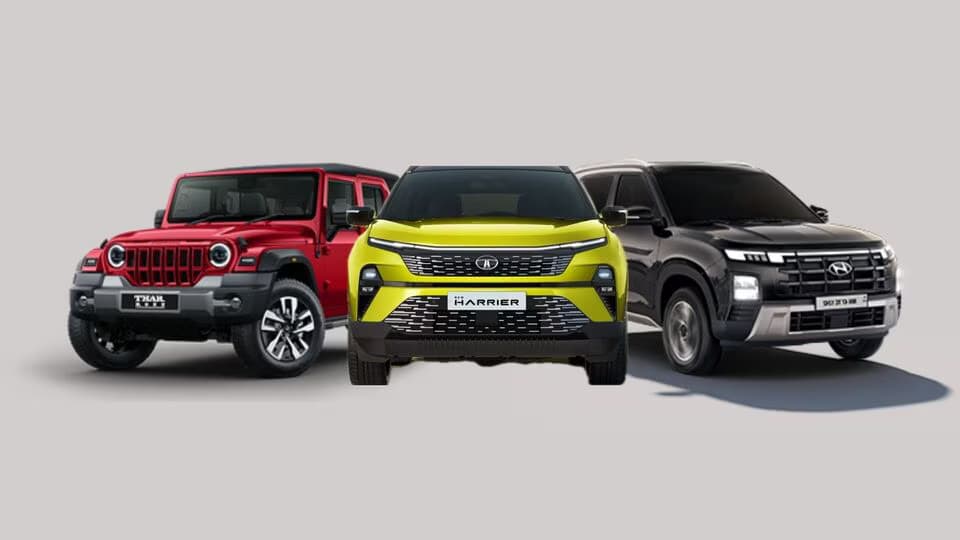
Now, let's talk about the big upset: Tata zipping past Mahindra. This isn't a fluke; it's a culmination of consistent effort. Tata's been on a roll, pushing out well-rounded, safe, and feature-packed products like the Nexon, Punch, and Altroz. They've cracked the code on what the modern Indian buyer wants: good design, strong safety ratings, and increasingly, an electric option that doesn't break the bank.
Mahindra, on the other hand, has also had a fantastic run, especially with vehicles like the Thar and XUV700, which are segment disruptors. But their production capacity has often struggled to keep up with demand, leading to long waiting periods. While they've got some absolute blockbusters, Tata's broader, more accessible portfolio seems to have given them the edge in overall volume this time. It’s a healthy rivalry, no doubt, and it’s pushing both homegrown giants to innovate even faster.
Market Share Snapshot
While specific unit sales for each manufacturer haven't been fully revealed yet, the overall picture is clear:
Manufacturer | October 2023 Position | Key Takeaway |
|---|---|---|
Maruti Suzuki | #1 (King) | Maintains dominant lead, strong overall sales. |
Tata Motors | #2 (New Challenger) | Overtakes Mahindra, strong growth driven by diverse portfolio. |
Mahindra & Mahindra | #3 | Still strong, but edged out by Tata; production capacity often a limiting factor. |
Total PV Sales | Over 5 Lakh Units | Record-breaking month for the Indian passenger vehicle market. |
How Does It Stack Up Against The Competition?
When we look at the big three – Maruti, Tata, and Mahindra – their strategies are quite distinct, and this sales report highlights their current standing. Maruti Suzuki, as always, plays the volume game brilliantly. They've got a car for nearly every budget, excellent service networks, and incredible brand loyalty. Their recent push into SUVs with models like the Grand Vitara and Fronx is helping them stay relevant in a shifting market.
Tata Motors is all about value, safety, and now, leading the EV charge. They're making a strong statement that made-in-India can be world-class. Their focus on passenger safety has resonated deeply with buyers, and their electric vehicle line-up is practically unrivaled at the moment. Mahindra, meanwhile, is the master of the aspirational, rugged SUV. Their models command huge respect and have a cult following, but their narrower focus and sometimes constrained production mean they might not always hit the same overall volumes as a diversified player like Tata.
In my opinion, this market dynamic is fantastic for us, the consumers. It's forcing everyone to up their game, whether it's on features, safety, or after-sales service.
The Good And The Not-So-Good
What We Like
- Record Sales Volume: Over 5 lakh units is a massive achievement and shows the robust health of the Indian auto sector.
- Tata Motors' Growth: It’s great to see an Indian brand challenging for the top spots and succeeding with a strong, diverse product portfolio.
- Consumer Confidence: High sales numbers reflect positive economic sentiment among buyers, which is always a good sign.
- Competitive Market: The intense competition between manufacturers ultimately benefits the consumer with better products and deals.
What Could Be Better
- Dependence on Festive Season: While great, we'd like to see more sustained growth outside of peak festive periods.
- Supply Chain Challenges: While improving, some manufacturers (like Mahindra with its popular SUVs) still face issues meeting demand, leading to long wait times.
- Pricing Pressure: With record demand, don't expect too many aggressive discounts outside of specific models, which might pinch some budgets.
Market Trends & What's Next
When you can buy your next car? Well, people are buying them now, and in record numbers! This report isn't about a new launch, but it certainly dictates future launches and pricing strategies. With this kind of demand, we can expect manufacturers to double down on their popular segments, especially SUVs and entry-level EVs. Don't be surprised if Maruti pushes more aggressively into the premium hatchback and compact SUV space to counter Tata's momentum.
Pricing, given the strong demand, isn't likely to see major cuts in the immediate future. In fact, if raw material costs remain volatile, we might even see slight hikes. However, the competition, especially between Tata and Mahindra, will ensure that value remains a key driver. Keep an eye out for more feature-packed variants and perhaps some limited-edition festive offerings as we head into the next quarter. Here's the thing — this strong performance means more investments, more choices, and ultimately, better cars for you down the line.
Our Verdict
Look, seeing the Indian passenger vehicle market cross the half-million unit mark in a single month is nothing short of phenomenal. It’s a clear indicator that despite global headwinds, the Indian consumer is confident and ready to invest in mobility. Maruti staying at the top is expected, but Tata leapfrogging Mahindra is the real headline grabber for me. It shows that consistent product development, a focus on safety, and a forward-thinking EV strategy can truly pay off.
It’s a fantastic time to be a car buyer in India, with so many excellent options available. This healthy competition means manufacturers can't afford to rest on their laurels, and that's always a win for us. We'll be watching closely to see if Tata can hold its newfound position and how Mahindra responds to this challenge. One thing's for sure: the road ahead for the Indian auto market looks incredibly exciting.