What's The Big News?
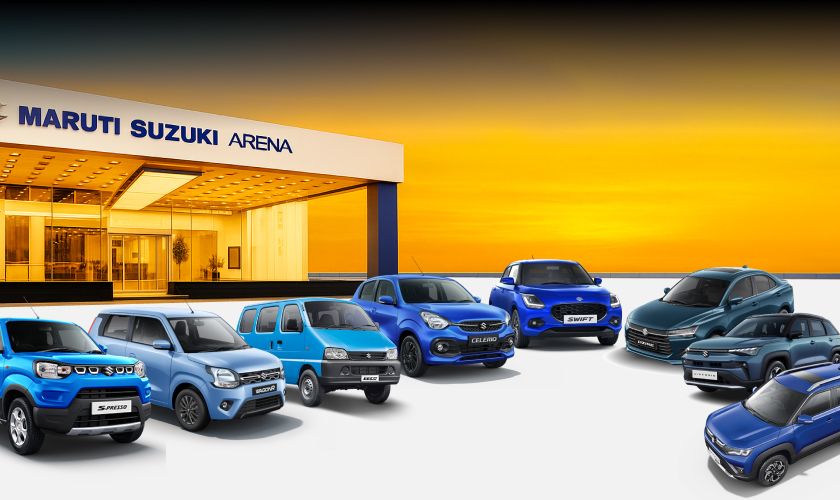
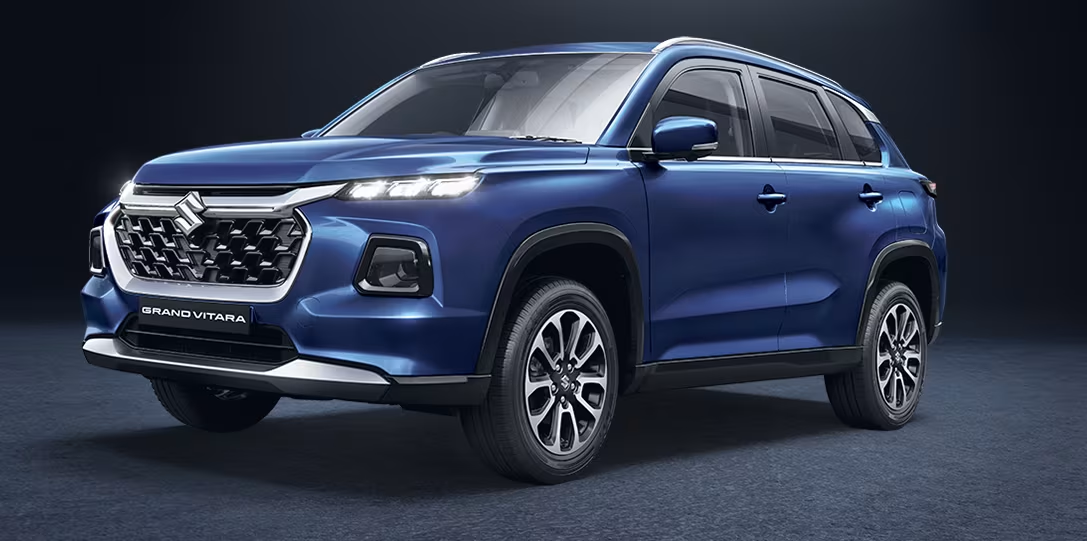
Alright, folks, sit down, 'cause we've got some news that's going to affect a lot of you saving up for that new car. Maruti Suzuki, the undisputed king of Indian roads, has just announced a price hike across a range of its most beloved models. Yep, your favorite Swift, the ever-popular Baleno, and even the relatively new Grand Vitara are now going to pinch your wallet a bit more.
This isn't a small adjustment either. We're looking at an increase of up to ₹30,000, depending on the model and variant you're eyeing (yes, really, that much). For many, that's a significant chunk of change, especially when you're already stretching your budget for a new set of wheels. It certainly makes you wonder what's going on, doesn't it?
Your Wallet Just Got Lighter: Understanding the Price Bump
So, why the sudden jump in prices? Well, Maruti hasn't gone into granular detail, but industry insiders and past patterns suggest a few common culprits. We're talking about rising input costs – things like raw materials, transportation, and even the ever-increasing cost of meeting stricter emission and safety norms. These aren't just Maruti's problems; they're challenges faced by every manufacturer in the market.
This isn't the first time we've seen such a move, and it certainly won't be the last. Companies often absorb these costs for a while, but eventually, they have to pass some of it onto the customer to maintain their margins. For a brand like Maruti, which operates on massive volumes and relatively thin margins per unit compared to some premium players, even small cost increases can have a big impact. They've been trying to hold the line, but it seems they couldn't anymore.
Who's Affected and What It Means for Buyers
Let's get down to the specifics, shall we? The official communication confirms that the Grand Vitara, Swift, and Baleno are on the list. While we don't have the exact variant-wise hike amounts yet – they'll vary, of course – the "up to ₹30,000" figure is the maximum increase you can expect. This means some variants might see a smaller bump, while others, particularly the higher-end or more popular ones, could hit that ₹30,000 mark.
For potential buyers, this means re-evaluating your budget. That top-spec Swift ZXi+ that fit perfectly into your finances last week might now just be out of reach, forcing you to look at a lower variant or even consider a competitor. The Grand Vitara, which was already pushing into a competitive SUV segment, now faces even tougher scrutiny against rivals that might suddenly look more appealing on paper. It's a tough pill to swallow, especially if you've been planning your purchase for months. Honestly, I always tell people to factor in a little buffer for these things, but a ₹30,000 jump isn't pocket change.
Specs At A Glance: Maruti Swift (Representative)
Since this news is about a price hike rather than a new launch, the core specifications of these popular Maruti models remain unchanged. However, for those new to the lineup or needing a refresher, let's take a quick look at the popular Swift as a representative of Maruti's offerings in this affected range. Keep in mind, Baleno and Grand Vitara will have different specs, particularly engines and dimensions.
Feature | Detail (Swift) |
|---|---|
Engine Type | 1.2L K-Series Dual Jet Dual VVT Petrol |
Max Power | Approx. 90 PS |
Transmission Options | 5-speed Manual, 5-speed AMT |
Fuel Efficiency (ARAI) | Expected to be around 22-23 kmpl |
Safety Features (Top Variant) | Dual Airbags (standard), ABS with EBD, Hill Hold Assist (AMT), ESP |
Infotainment | 7-inch SmartPlay Studio (Apple CarPlay, Android Auto) |
How Does It Stack Up Against The Competition?
This is where things get interesting, isn't it? With a price hike, the competitive landscape often shifts. The Swift and Baleno primarily go up against cars like the Tata Tiago/Altroz and Hyundai Grand i10 Nios/i20. Maruti's traditional strengths — fuel efficiency, widespread service network, and strong resale value — still hold true. But when prices go up, buyers start looking even more closely at what rivals offer for the same or even less money.
For instance, the Tata Altroz offers a robust build and excellent safety ratings, while the Hyundai i20 brings a feature-rich cabin and premium feel. If Maruti's models now creep closer to their rivals' price points without a corresponding feature upgrade, it becomes a tougher sell. The Grand Vitara, battling the likes of Hyundai Creta, Kia Seltos, and even its sibling, the Toyota Hyryder, will find the mid-size SUV segment even more cutthroat. These rivals often offer slightly more premium interiors or a longer feature list at a similar price. Maruti relies on its brand trust, but that trust gets tested when the price tag jumps.
The Good And The Not-So-Good
What We Like
- Maruti's Reliability & Service Network: Still unmatched across India, giving peace of mind.
- Fuel Efficiency: These models continue to offer class-leading mileage, a huge factor for Indian buyers.
- Strong Resale Value: Maruti cars depreciate slower, which is always a plus when you decide to upgrade.
- Proven Engines: The K-series engines are smooth, refined, and incredibly durable.
What Could Be Better
- The Price Hike Itself: Obviously, no one likes paying more for the same product.
- No Apparent Feature Additions: The price jump isn't accompanied by any new features or upgrades, making it harder to justify.
- Increased Competition Pressure: Higher prices make rivals, especially those known for features or build quality, more attractive.
- Entry-level Affordability: For first-time buyers or those on a strict budget, even a small hike can make a big difference.
Price & When You Can Buy It
The price hike of up to ₹30,000 for the Swift, Baleno, and Grand Vitara is already in effect or will be very soon, typically from the date of the announcement. While Maruti hasn't specified the exact variant-wise increases, you should definitely check with your local dealership for the updated on-road prices before making any booking decisions. Don't assume the old prices still stand; they won't. This is Maruti adjusting its pricing strategy across the board, and you'll see the impact immediately.
Our Verdict
Look, price hikes are an inevitable part of the automotive business, especially with rising costs and evolving regulations. Maruti Suzuki, with its sheer volume and market leadership, usually tries to absorb these costs as much as possible. However, this latest move signals that even they can't hold the line indefinitely. For prospective buyers, it means your dream Swift, Baleno, or Grand Vitara just got a little further away, or you'll have to adjust your variant choice.
The core strengths of these Maruti cars – their reliability, fuel efficiency, and unparalleled service network – still remain potent selling points. But a price hike without any accompanying feature upgrades does make the value proposition a bit weaker, pushing buyers to look harder at the competition. Honestly, while Maruti's brand power is immense, they need to ensure their products continue to offer compelling value for money, especially when rivals are constantly upping their game. It's a delicate balance, and this hike will definitely test the loyalty of some buyers.