What's The Big News?
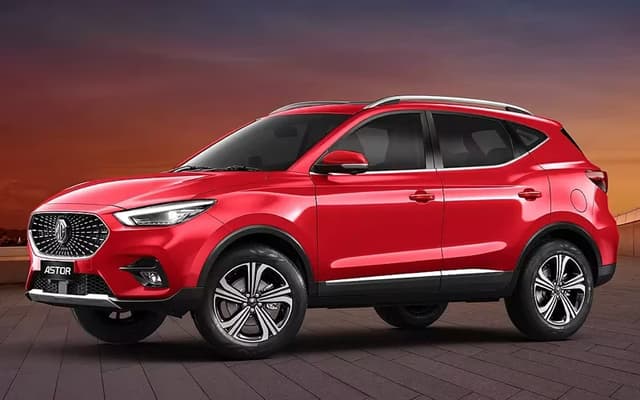
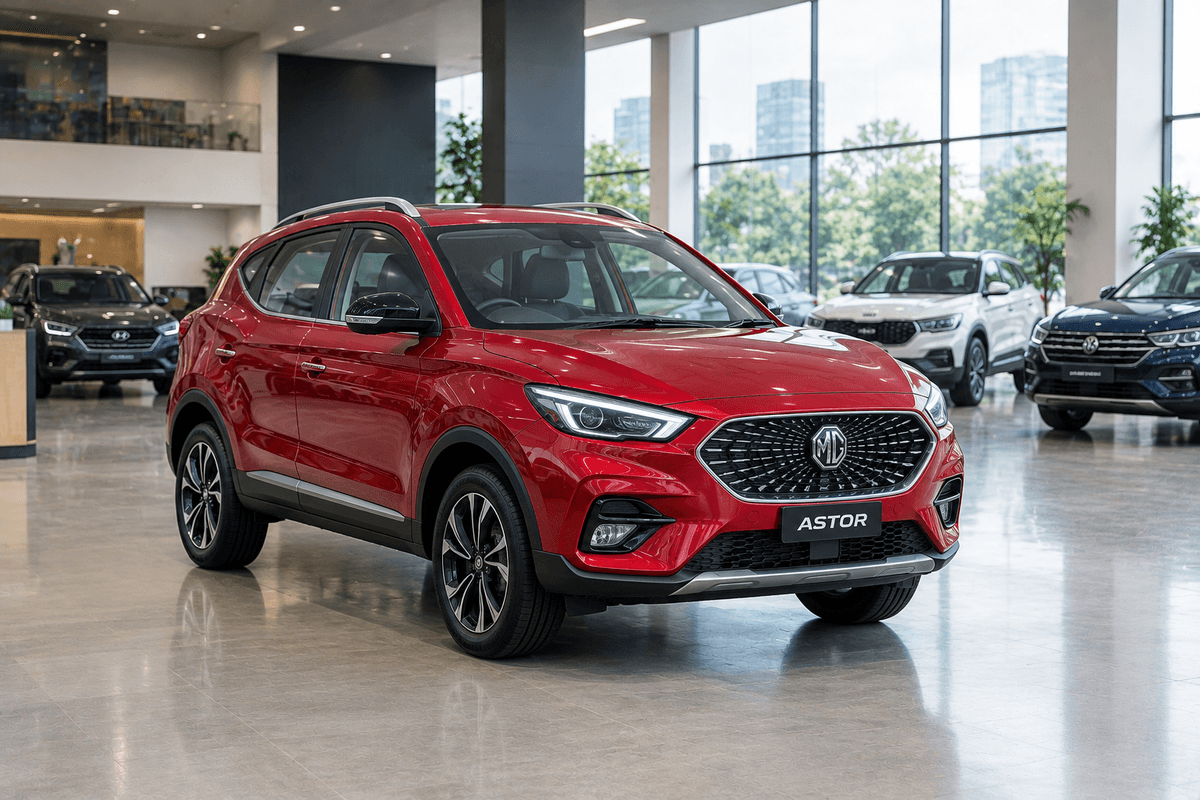
Well, folks, here's a bit of a significant development from MG Motor India that’s got the industry buzzing. The brand has officially pulled the plug on its Astor mid-size SUV in the Indian market. Launched with much fanfare just a few years ago in September 2021, the Astor was MG's tech-heavy contender in one of India's most fiercely competitive segments.
It’s not an abrupt exit, mind you, but a strategic one. While the Astor steps off the stage, MG isn't abandoning the segment. They're already looking ahead, with a replacement model expected to arrive by 2027. This certainly signals a realignment of their strategy to better tackle the evolving preferences of Indian car buyers.
The Astor's Run: A Bold, Tech-Forward Bid
When the Astor first hit our roads, it truly made a statement with its focus on advanced technology. We're talking about Level 2 ADAS features and that quirky AI assistant on the dashboard – stuff that was still pretty rare in its price bracket. It was MG's attempt to offer something truly premium and feature-packed, challenging segment leaders with a strong value proposition, much like how the Hector disrupted its space.
Its interior quality was often praised, feeling a notch above what many rivals offered for the price of a mid-spec Swift, if you compare the entry variants. But the mid-size SUV battlefield is brutal. Every month brings new skirmishes, and while the Astor had its loyal fans, carving out a substantial market share against titans like the Hyundai Creta and Kia Seltos proved to be a tougher nut to crack than perhaps anticipated. It certainly tried to stand out in a segment where everyone wants a piece of the pie, right from the Creta to the Grand Vitara (yes, really).
Why The Early Exit and What's Next for MG?
So, why the relatively quick departure? In such a cutthroat market, product life cycles can be shorter, especially if a model isn't hitting its sales targets consistently or if the company sees a bigger opportunity elsewhere. The mid-size SUV segment has seen a huge influx of new players, all vying for the same customer. Perhaps MG felt the Astor, despite its tech, needed a stronger core appeal or a different powertrain strategy to truly break through.
This discontinuation, in my opinion, isn't a sign of weakness but rather a strategic pause for MG to re-evaluate and come back stronger. The mention of a replacement by 2027 is the real headline here. It gives MG ample time to develop a new product that's perhaps better suited to future market demands – think more electrification, stronger hybrid options, or even a bolder design language that resonates deeply with Indian tastes. It's about taking lessons learned and applying them to a fresh, compelling package.
Specs At A Glance (MG Astor - Original Positioning)
Since the Astor is now off the market and its replacement is still years away, we're looking back at its core positioning rather than performance figures. This table highlights what the Astor brought to the table when it first launched.
Aspect | Detail |
|---|---|
Segment | Mid-size SUV |
Launch Year | September 2021 |
Key Focus Areas | Advanced Technology, ADAS (Advanced Driver-Assistance Systems), AI Assistant |
Market Positioning | Premium, feature-rich offering in the competitive mid-SUV segment |
Current Status | Discontinued in India |
Replacement Model | Expected in 2027 (details TBA) |
How Did It Stack Up Against The Competition?
The Astor entered a shark tank, directly competing with heavyweights like the Hyundai Creta, Kia Seltos, Maruti Suzuki Grand Vitara, Toyota Urban Cruiser Hyryder, and even the Skoda Kushaq and VW Taigun. Its biggest differentiator was undoubtedly its technology suite. The ADAS features, including adaptive cruise control and lane-keeping assist, were a significant draw, often found only in much more expensive vehicles at the time. This gave it a clear edge on the features front.
However, against the sheer brand power and widespread service networks of a Maruti or Hyundai, MG still had an uphill battle. While its ride quality was generally good and the cabin felt plush, some buyers might have found its engine options a bit less exciting compared to certain turbocharged rivals. It was a solid product, no doubt, but perhaps lacked that one undeniable factor that would make it a runaway success in a segment so sensitive to pricing, fuel efficiency, and established trust.
The Good And The Not-So-Good
What We Like About The Astor (In Hindsight)
- Tech-Forward Features: The ADAS suite and AI assistant were segment-firsts and genuinely useful additions.
- Premium Cabin: Interior quality, materials, and overall fit-and-finish felt a step above many direct competitors.
- Comfortable Ride: Generally offered a pliant ride quality suitable for Indian roads.
- Safety Focus: Strong emphasis on active and passive safety features.
What Could Have Been Better
- Powertrain Options: While adequate, perhaps a more exciting or fuel-efficient powertrain could have boosted appeal.
- Brand Perception: Still battling against deeply entrenched players in terms of long-term reliability and resale value perceptions.
- Market Penetration: Struggled to capture significant market share despite its strengths.
Price & When You Can Buy The Next MG Mid-SUV
Let's be clear: the MG Astor is no longer available for purchase in India. If you were eyeing one, you're out of luck. As for its successor, we're looking at a waiting period that stretches till 2027. That's a good three years from now, giving MG plenty of time to cook up something special.
Pricing for this upcoming replacement will, of course, be announced closer to its official launch. Given MG's strategy, we can expect it to be competitively positioned in the mid-size SUV segment, likely in the ₹12-20 lakh (ex-showroom) range, depending on its features and powertrain. Details are scarce right now, but expect it to compete squarely in the mid-size SUV segment, likely with a more aggressive play on powertrain options, perhaps with a strong hybrid or even an all-electric variant from day one.
Our Verdict
The discontinuation of the MG Astor is certainly big news, but it's not the end of MG's ambitions in India. If anything, it highlights how dynamic and demanding our market truly is. The Astor was a bold attempt, bringing cutting-edge tech to a segment that craved it, but perhaps it was a little ahead of its time or just missed that crucial ingredient for mass appeal.
Honestly, while it's sad to see the Astor go, this move could be a strategic reset for MG in India. It allows them to learn from the Astor's journey and come back with a product that's even more finely tuned to the pulse of the Indian buyer. We're eager to see what they unveil in 2027 – hopefully, something that not only carries forward the tech legacy but also hits that sweet spot of performance, efficiency, and desirability that Indian enthusiasts truly crave. Don't write MG off just yet; this might just be the quiet before a bigger storm.