What's The Big News?
Alright folks, buckle up! If you've been holding onto your hard-earned cash, waiting for the perfect new set of wheels, September 2026 might just be the month you've been dreaming of. We're hearing whispers, strong enough to be shouts now, that the Indian automotive market is bracing for a flood of fresh metal, with at least seven significant new cars expected to hit showrooms.
It's not just about quantity though; the quality and variety are what really have us talking. We're looking at everything from a much-needed facelift for one of India's favourite hatchbacks, the Maruti Suzuki Baleno, to the high-voltage arrival of the Porsche Cayenne Electric. This isn't just another month; it's shaping up to be a proper festival of new cars, catering to practically every budget and aspiration.
Baleno Facelift: What's Maruti Cooking Up?
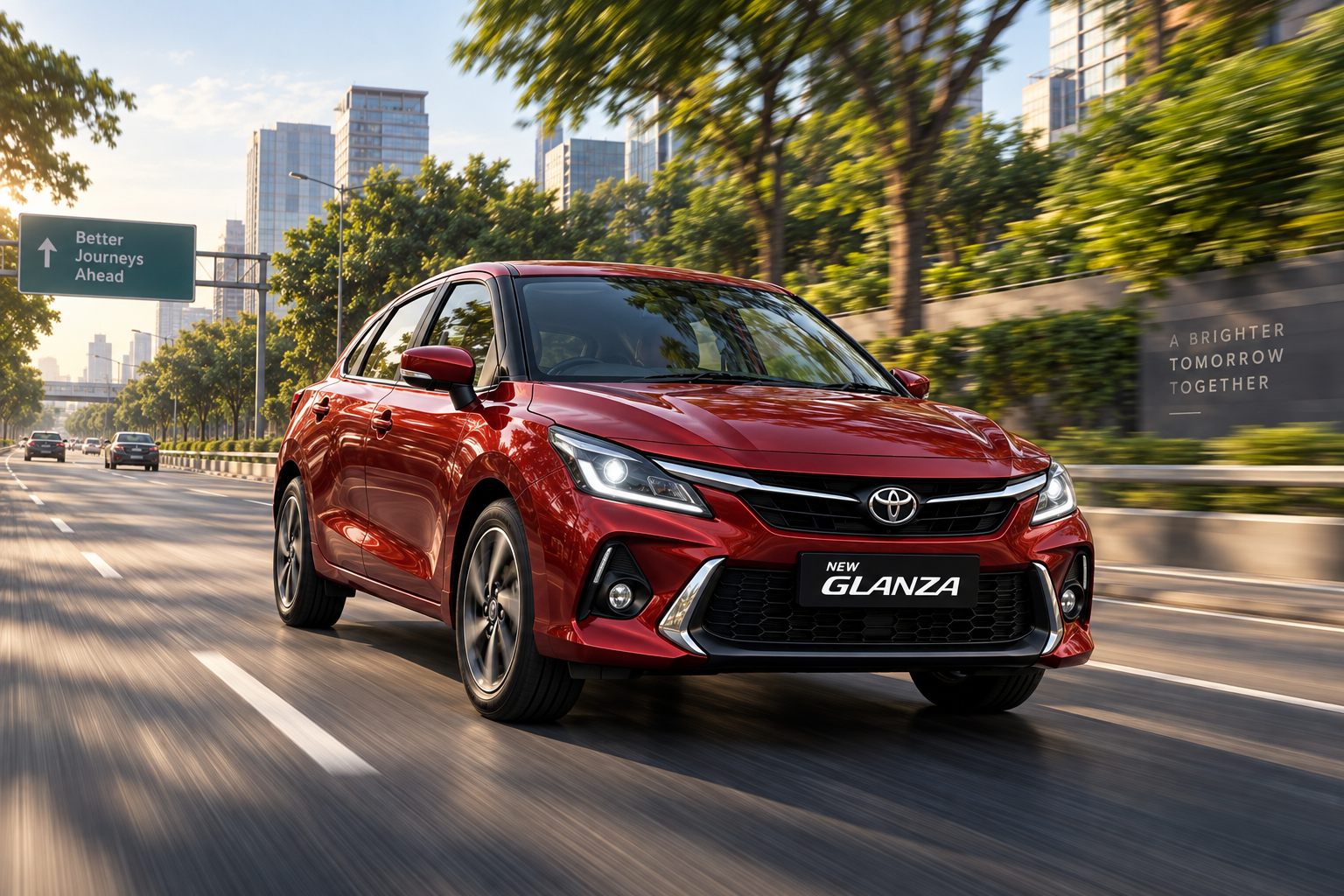
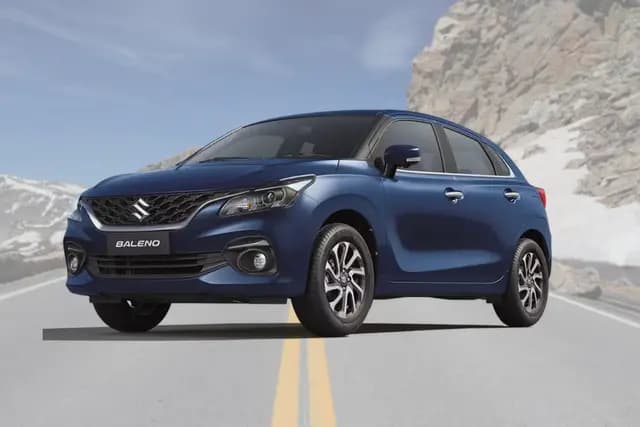
Let's start with the one that's going to affect the most pockets – the Baleno facelift. Maruti Suzuki knows a thing or two about selling cars in India, and the Baleno has been a consistent performer, but it's been a while since it got a substantial refresh. Our sources indicate this isn't just a minor bumper and headlight tweak; we're expecting a more comprehensive update. Think revised styling both inside and out, perhaps a slightly bolder front grille, and definitely some fresh alloy wheel designs to keep things sprightly.
Under the hood, Maruti usually plays it safe, so don't expect a radical engine change. It's likely to continue with its tried-and-tested petrol engine, probably with minor tweaks for better efficiency or slightly improved power delivery. What could be interesting is if they finally bring in a stronger hybrid option or, dare I say, a proper CNG variant that isn't an afterthought. Inside, we're hoping for a bigger, more responsive touchscreen infotainment system – something that feels more premium and less like an afterthought, better than what Maruti gives you at this price point generally. New upholstery, updated instrument cluster, and perhaps even some ADAS features on top variants aren't out of the realm of possibility. Honestly, if Maruti wants to keep its premium hatchback crown, these updates are essential.
The Electric Cayenne and Other Premium Arrivals
Shifting gears dramatically, the September pipeline also hints at the arrival of the Porsche Cayenne Electric. This isn't just another EV; it's a statement from Porsche, bringing its legendary performance and luxury into the fully electric realm. Imagine the Cayenne's road presence, its plush interiors, and then add instant torque and silent acceleration. We're expecting multiple powertrain options, potentially with impressive range figures that’ll make those Delhi-Chandigarh runs a breeze.
Beyond these two, there are whispers of other exciting launches. Some could be new variants of existing popular models, while others might be entirely new entrants in segments like compact SUVs or premium sedans. The overall trend seems to be a mix of volume-segment updates and a significant push into the premium EV space. For those with deeper pockets, the electric Cayenne will certainly be a head-turner, showing that performance and sustainability can indeed go hand-in-hand. It's a clear sign that luxury brands are serious about India's EV future.
Specs At A Glance
While specific details for all seven launches are still under wraps, here’s a general idea of what we expect from the key players mentioned:
Feature | Maruti Suzuki Baleno Facelift (Expected) | Porsche Cayenne Electric (Expected) |
|---|---|---|
Expected Powertrain | 1.2L Petrol (K12N), potential mild-hybrid/strong hybrid | Multiple electric motor configurations, AWD |
Expected Transmission | 5-speed Manual, AMT/CVT options | Single-speed/Multi-speed automatic |
Expected Range (EV) | N/A | Likely 500+ km (WLTP) on top variants |
Expected Features | Larger touchscreen, updated digital cluster, possible ADAS | Advanced infotainment, luxury materials, latest safety tech |
Safety | Improved structural rigidity, 6 airbags standard (top variants) | Comprehensive active & passive safety suite, ADAS |
Rivals |
How Does It Stack Up Against The Competition?
The Baleno facelift will continue its fierce battle in the premium hatchback segment. Its biggest rivals, the Hyundai i20 and Tata Altroz, have been getting regular updates and offer compelling packages, especially on features and safety. Maruti’s strength has always been its engine refinement, widespread service network, and resale value. If the facelift brings genuinely improved interiors, better safety tech, and a more modern feature list, it could regain some lost ground. However, if it's just cosmetic, it'll struggle against the feature-rich competition. Tata's Altroz, especially with its turbo petrol, offers a distinct driving experience, while the i20 is a feature-packed all-rounder. The Baleno needs to bring more than just a fresh face to the party.
On the other end of the spectrum, the Porsche Cayenne Electric steps into a burgeoning luxury EV SUV market. It'll go head-to-head with established players like the Audi Q8 e-tron, the Mercedes-Benz EQE SUV, and the BMW iX. Porsche's advantage will be its legendary performance DNA and driving dynamics, which usually set its cars apart. If they can offer a compelling range, super-fast charging, and maintain that signature Porsche feel, it could carve out a significant niche. The competition is stiff, but a Porsche EV in an SUV body is a formidable proposition, and honestly, it shows.
The Good And The Not-So-Good
What We Like
- Variety of Launches: Catering to a wide range of buyers, from mass-market hatchbacks to luxury EVs.
- Focus on Facelifts: Indicates manufacturers are listening to feedback and refreshing popular models.
- Luxury EV Push: More premium electric options mean greater choice for high-end buyers.
- Potential Feature Upgrades: Hope for better infotainment and safety tech across segments.
- Increased Competition: Good for consumers, as manufacturers will push harder to innovate.
What Could Be Better
- Specifics Are Sparse: Wish we had more concrete details on all seven vehicles right now.
- Baleno's Engine: Hope for more exciting powertrain options beyond minor tweaks.
- Safety Standards: Expecting all manufacturers to make 6 airbags and structural integrity a priority, not just an option.
- Charging Infrastructure: With more luxury EVs coming, the charging network still needs massive scaling up outside of metros.
- Pricing Transparency: Always a wait until the last minute, which can be frustrating for potential buyers.
Price & When You Can Buy It
Exact pricing for these September 2026 launches, as is often the case, will be announced closer to their official unveilings. For the Baleno facelift, we expect a slight premium over the current model, likely starting from around ₹7 lakh and going up to ₹11-12 lakh (ex-showroom) for the top variants, depending on the updates. It's a premium hatchback, so it won't be cheap like a WagonR, but still positioned competitively.
The Porsche Cayenne Electric, on the other hand, will be in a completely different league. We're talking well into the ₹1.5 crore to ₹2 crore+ range, easily, for the base models, with higher-spec versions pushing further north. As for availability, you can expect bookings to open right after the launches in September 2026, with deliveries likely starting a few weeks or a couple of months thereafter, depending on the model and production schedules.
Our Verdict
September 2026 is shaping up to be a pivotal month for the Indian auto industry. On one hand, you have Maruti Suzuki continuing its dominance with a refreshed Baleno, a car that needs to prove it can keep up with modern expectations in terms of features and safety. On the other, the arrival of the Porsche Cayenne Electric signifies India's growing appetite for cutting-edge luxury EVs. This blend of mass-market appeal and high-end electrification is exactly what keeps the market vibrant. We feel that while the Baleno facelift is crucial for Maruti's segment leadership, it's the premium EV launches that truly show where the industry is heading. Here's the thing — for a market as diverse as India, having options from every segment arriving simultaneously is a win-win for us enthusiasts. Keep an eye out; we’ll bring you all the ground reports as these cars roll out!