What's The Big News?
Alright, folks, Arman here. We've got some interesting numbers coming in, and they paint a pretty clear picture of where the Indian car market is heading. If you've been eyeing a new set of wheels lately, especially something with a bit more road presence, listen up.
The average car loan size in India has shot up by a massive 49%, now sitting pretty at ₹8.2 lakh. That's a huge jump, right? It's not just about cars getting more expensive overall; there's a specific segment that's really driving this trend, and frankly, it's not surprising to anyone who's been on our roads recently.
The SUV Domination: Why Loans Are Swelling
Here's the thing — this isn't some hidden mystery. The biggest factor behind this surge in loan values is the undeniable shift towards SUVs. Everywhere you look, from urban jungle to rural roads, you see them. Compact SUVs, mid-size SUVs, seven-seaters – they're everywhere.
And let's be honest, SUVs generally cost more than their hatchback or sedan counterparts. You're paying for that extra ground clearance, the muscular stance, often more features, and sometimes even the psychological comfort of a bigger vehicle. Buyers, especially those making a long-term investment, are increasingly willing to shell out extra for an SUV. They're not just buying a car; they're buying a statement, a lifestyle, and a sense of security. This means bigger ex-showroom prices, which naturally translate to bigger loan amounts. It's simple math, really.
What This Means for Your Wallet and the Market
So, if you're planning to buy a car soon, especially an SUV, be prepared to borrow more. A ₹8.2 lakh average loan isn't a small sum; it impacts your EMIs significantly. We're seeing buyers stretch their budgets, often opting for longer loan tenures to keep those monthly payments manageable. This isn't necessarily a bad thing if your financial planning is sound, but it's a critical point to consider before signing on the dotted line.
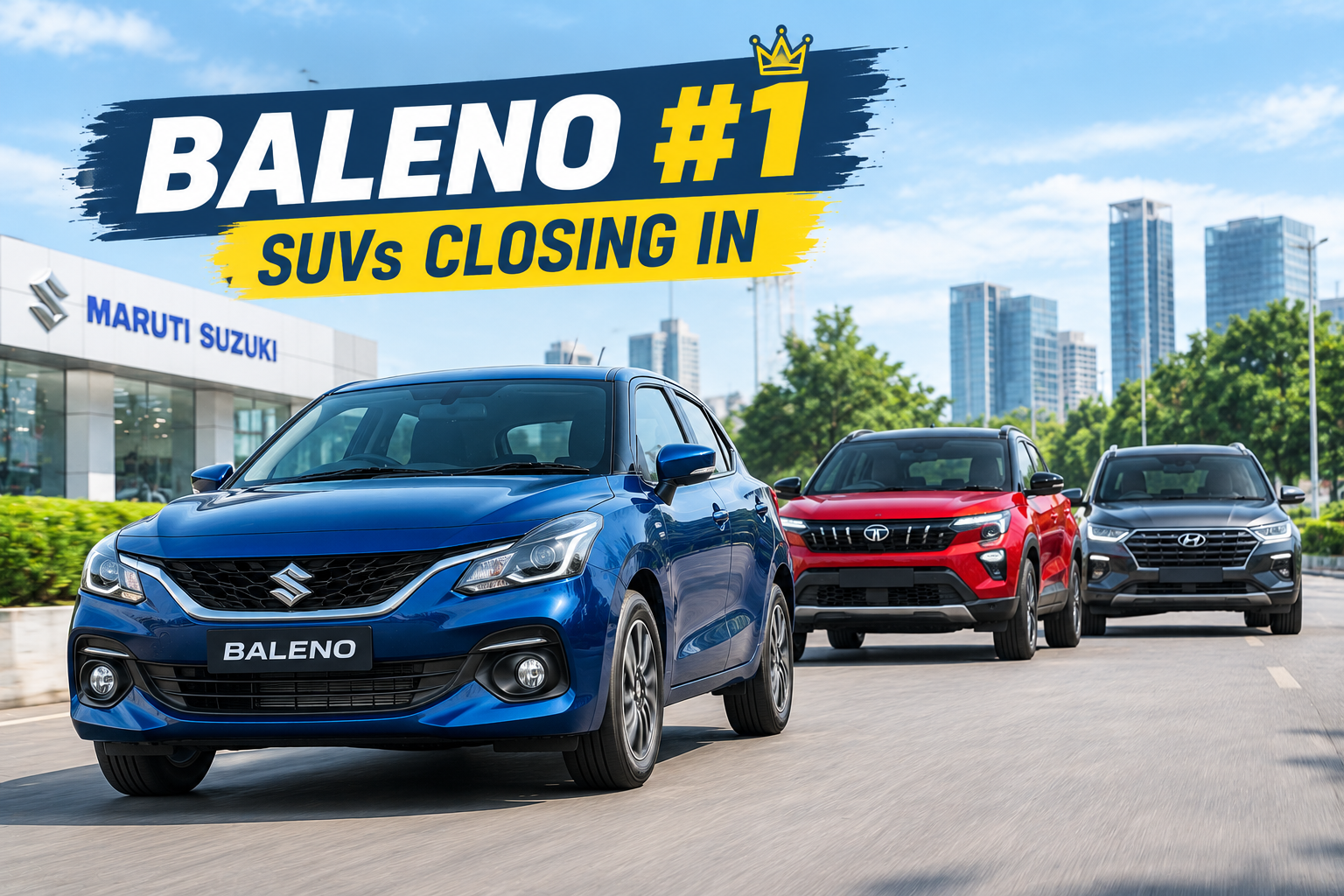
From a market perspective, this trend clearly shows where manufacturers are focusing their energy and R&D. Every major player, from Maruti to Tata, Hyundai to Mahindra, is pushing out new SUVs or updating existing ones. They're responding to demand, of course, but they're also influencing it. They know Indians want SUVs, and they're delivering them in droves. This also means fewer new launches in traditional segments like sedans or entry-level hatchbacks, which were once the bread and butter of our market. It's a changing landscape, and honestly, it shows.
Loan Trends At A Glance
Let's break down the key figures we know about this loan trend.
Metric | Value |
|---|---|
Average Car Loan Size | ₹8.2 Lakh |
Year-on-Year Jump in Loan Size | 49% |
Primary Market Driver | Increased SUV Sales |
How Does It Stack Up Against Other Buying Habits?
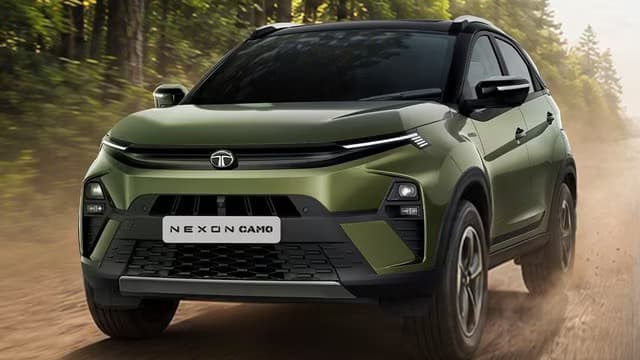
This isn't just about SUVs eating into sedan sales; it's also about how people are approaching car ownership. Previously, many first-time buyers would start with a compact hatchback, maybe a Swift or an i10, and then upgrade later. Now, many are skipping that first step and going straight for a compact SUV like a Nexon, Venue, or Brezza.
It's a testament to rising aspirations and increased access to credit. People are more willing to invest a larger sum upfront (or rather, through EMIs) for a vehicle that offers more versatility, space, and a premium feel. We're also seeing a trend where buyers are opting for higher variants within the SUV segment, further pushing up the average transaction value and, by extension, the loan size. It's a significant shift from the 'value for money at all costs' mentality that once dominated.
The Good And The Not-So-Good
What We Like
- Aspirations Met: Indians are getting the cars they truly desire, often bigger and more feature-packed.
- Market Dynamism: Manufacturers are bringing a wider variety of SUVs to cater to diverse needs.
- Improved Safety (Often): Many modern SUVs come with better safety features as standard compared to older, smaller cars.
- Better Road Presence: Let's face it, a bigger car feels safer and commands more respect on our chaotic roads.
What Could Be Better
- Higher Debt Burden: Larger loans mean higher EMIs and potentially longer repayment periods, which isn't for everyone.
- Traffic Congestion: More large vehicles can exacerbate traffic issues in already crowded cities.
- Parking Woes: Bigger cars mean tougher parking, especially in older urban areas.
- Fuel Efficiency Concerns: Generally, SUVs tend to be less fuel-efficient than smaller cars, though this is improving with newer engines.
Price & When You Can Buy It
This article isn't about a specific car launch, so there's no "when you can buy it" in the traditional sense. It's a market trend. What we're talking about here is the price you'll likely pay for your next car, especially if it's an SUV.
Given the average loan size is now ₹8.2 lakh, you can expect the on-road price of a popular compact SUV to easily hover around the ₹10-15 lakh mark, depending on the variant and city. Mid-size SUVs will, of course, push that figure even higher. This clearly shows that the sweet spot for many buyers has moved up significantly, beyond the traditional sub-₹10 lakh segment for many.
Our Verdict
Honestly, this trend isn't just a blip; it's the new normal. Indians are clearly gravitating towards SUVs, and they're willing to commit a larger chunk of their finances to get one. While it's great to see aspirations being met and the market offering diverse choices, it's also a wake-up call for buyers to be extra diligent with their financial planning. Don't get swept up in the craze without doing your homework. Make sure that bigger EMI fits comfortably into your budget, not just for a few months, but for the entire loan tenure. Choose wisely, because a car loan is a long-term commitment.