What's The Big News?
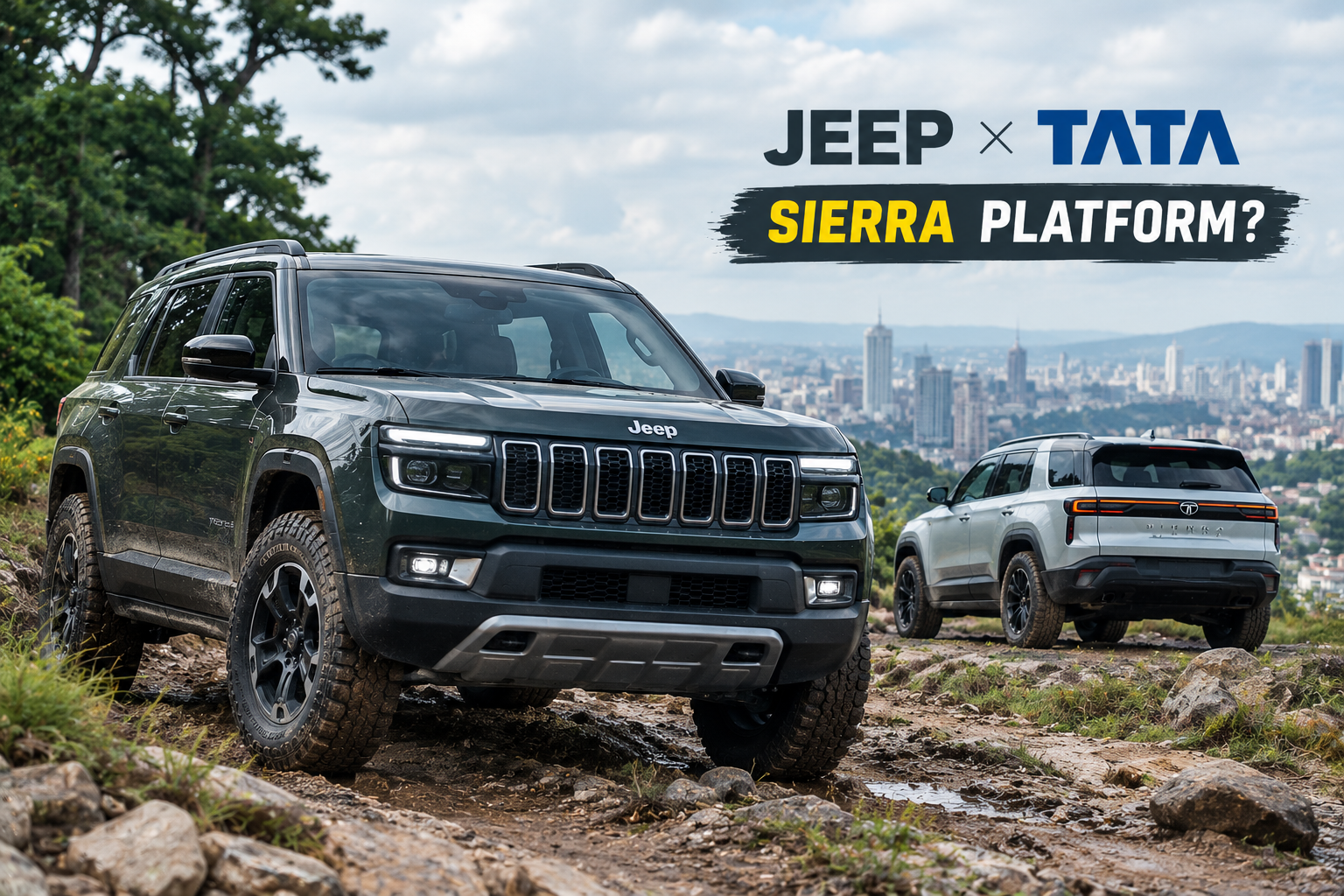
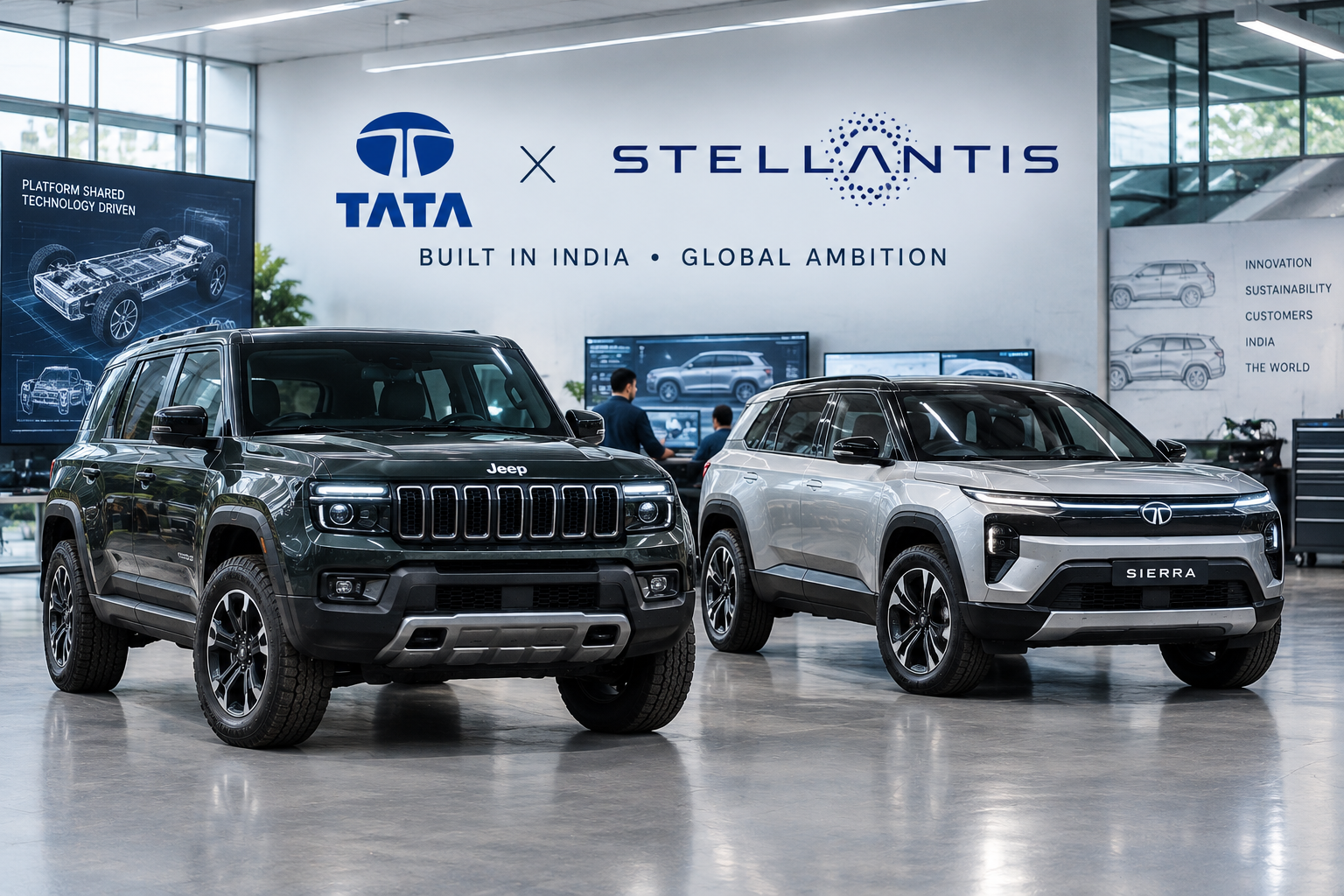
Alright, folks, buckle up because we've got some massive news that could change how we look at cars in India. Tata Motors' passenger vehicle division and Stellantis – that's the big global group behind brands like Jeep and Citroën – have officially inked a deal. They're going to be working together, hand-in-hand, to develop new vehicles tailored specifically for our Indian roads and tastes.
This isn't just another handshake; it's a strategic alliance that aims to leverage both companies' strengths. Think about it: Tata's deep understanding of the Indian market and Stellantis's global engineering prowess and platform technology. It's like bringing together the best of both worlds, and honestly, it shows a real commitment to the future of our automotive landscape.
A New Chapter for Indian Car Buyers
So, what does this actually mean for you, the person saving up for their next big purchase? Well, for starters, it likely translates to more choice and potentially better value. Stellantis brings some serious global platforms and cutting-edge tech to the table. We’re talking about architectures that underpin successful models worldwide, now potentially adapted for India.
Tata, on the other hand, has a phenomenal grasp of what the Indian consumer truly wants – ruggedness, fuel efficiency, and a feature list that doesn't break the bank. Their recent success with models like the Nexon and Punch proves they know the pulse of our market. This collaboration could lead to new vehicles that are robust, feature-rich, and crucially, priced right. Imagine a vehicle born from Stellantis engineering but with Tata's localisation magic. That's a potent combination, isn't it?
Potential Market Impact & Product Segments
Look, the specifics are still under wraps, but we can definitely speculate on where this partnership might head. Given the current market trends, compact SUVs and EVs are red-hot segments in India. Tata is already a leader in electric vehicles, and Stellantis has ambitious global EV plans. It wouldn't surprise anyone if their joint efforts focused heavily on these areas, perhaps developing a new EV platform or a range of electrified vehicles that could compete fiercely with upcoming models from other manufacturers.
They might also look at bridging gaps in their respective portfolios. Tata could gain access to more premium platforms, while Stellantis could find a way to introduce more mass-market vehicles under a new, jointly developed banner. This move could also help Tata push into new export markets, leveraging Stellantis's global distribution network. It's a win-win, provided they execute it well. We feel this alliance will definitely shake things up in the mid-size SUV and premium hatchback segments too.
Specs At A Glance
Feature | Details (as known) |
|---|---|
Partners Involved | Stellantis (globally including Jeep, Citroën, Fiat) & Tata Motors Passenger Vehicles (India) |
Type of Agreement | Strategic Partnership for Joint Vehicle Development |
Primary Focus (Expected) | New vehicle platforms, shared technologies, potential for EVs and ICE vehicles |
Target Market | Indian Passenger Vehicle Market (with potential for exports) |
First Product Launch | TBA (Official announcement awaited) |
Vehicle Segments (Expected) | Compact SUVs, Mid-size SUVs, Electric Vehicles (specifics TBA) |
How Does It Stack Up Against The Competition?
Since we don't have specific models to compare yet, let's talk about the broader competitive landscape. If this partnership brings a new compact SUV, it'll be going head-to-head with established players like the Maruti Brezza, Hyundai Venue, Kia Sonet, and even Tata's own Nexon. That's a tough crowd! What could give it an edge? Perhaps a unique design philosophy blending European flair with Indian practicality, or advanced safety features we don't often see in this price bracket.
In the EV space, Tata already leads with the Nexon EV and Punch EV. A joint EV platform could accelerate their advantage, bringing in Stellantis's global EV battery tech and motor advancements. This would put even more pressure on Mahindra's XUV400 and upcoming EVs from Hyundai and MG. Honestly, the biggest competition for any new product from this alliance will be setting itself apart in an already crowded and fiercely competitive market. It won't be easy, but the combined might could certainly make a dent.
The Good And The Not-So-Good
What We Like
- Access to Global Platforms: Stellantis can bring proven, modern vehicle architectures to India, potentially improving safety and performance.
- Technology Sharing: Could lead to advanced features, better engines, and superior EV tech for Indian consumers.
- Broader Portfolio: New vehicle segments or improved existing ones for both brands.
- Increased Competition: More options and potentially better value for the customer.
- "Made for India" Focus: A partnership designed specifically for our market is always a good sign.
What Could Be Better
- Execution Risk: Large global partnerships can be complex and sometimes slow to deliver tangible results.
- Brand Overlap/Confusion: Need to clearly differentiate products to avoid internal competition between Tata, Jeep, and Citroën.
- Pricing Strategy: Introducing new tech often comes with a premium; ensuring competitive pricing will be crucial.
- Timeline: Developing new vehicles takes time, so patience will be key for customers.
- Unknowns: The lack of specific product details means there’s still a lot of speculation involved.
Price & When You Can Buy It
As of now, there are absolutely no details on specific products, let alone their pricing or launch timelines. This agreement is about setting the foundation for future vehicle development, not announcing a new car ready for showrooms next month. We can expect the first fruits of this partnership to emerge in the next couple of years, perhaps as early as late 2025 or 2026, but that's just an educated guess.
Pricing, naturally, will be announced closer to the launch of any jointly developed vehicle. Given Tata's focus on value and Stellantis's aspiration for market share, we can hope for competitive pricing that sits well within the segments they target. Don't expect a new vehicle for the price of a mid-spec Swift, but also don't anticipate something that burns a huge hole in your pocket – they'll have to find that sweet spot, particularly in our price-sensitive market.
Our Verdict
This alliance between Tata Motors and Stellantis is undoubtedly one of the most significant announcements in the Indian automotive scene recently. It signals a strong intent from both parties to innovate and capture a larger share of our rapidly growing market. For the Indian car buyer, this partnership brings a tantalizing promise of advanced, well-engineered, and hopefully, value-for-money vehicles in the near future.
However, the real test, as always, will be in the actual products they deliver. Will they manage to seamlessly integrate their strengths? Can they bring something truly fresh and compelling to the table? In my opinion, if they can successfully combine Tata's market insight and cost-efficiency with Stellantis's global platforms and tech, this partnership has the potential to introduce some serious segment disruptors. It's certainly one to watch closely!