What's The Big News?
Market watchers woke up to Tata Motors dominating the ticker once again. While stock traders are busy charting numbers, everyday car lovers like us need to ask a simpler question: what does all this financial firepower actually mean for the car sitting in your driveway?
When an Indian automaker gains serious momentum on the market, it isn't just about corporate bragging rights. It translates directly into massive research budgets, faster factory rollouts, and better tech in cars you buy for the price of a mid-spec Swift. Tata's current market position gives them the cash reserves needed to aggressive fight off heavyweights like Maruti Suzuki and Hyundai.
Tata Motors Stock Momentum: What It Signals For Buyers
Money talks in the automotive world, especially when you're trying to build homegrown platforms from scratch. Tata didn't get to the top of the EV leaderboard by accident (and honestly, it shows). They spent heavily when others were playing safe, and now that risk is paying off big time.
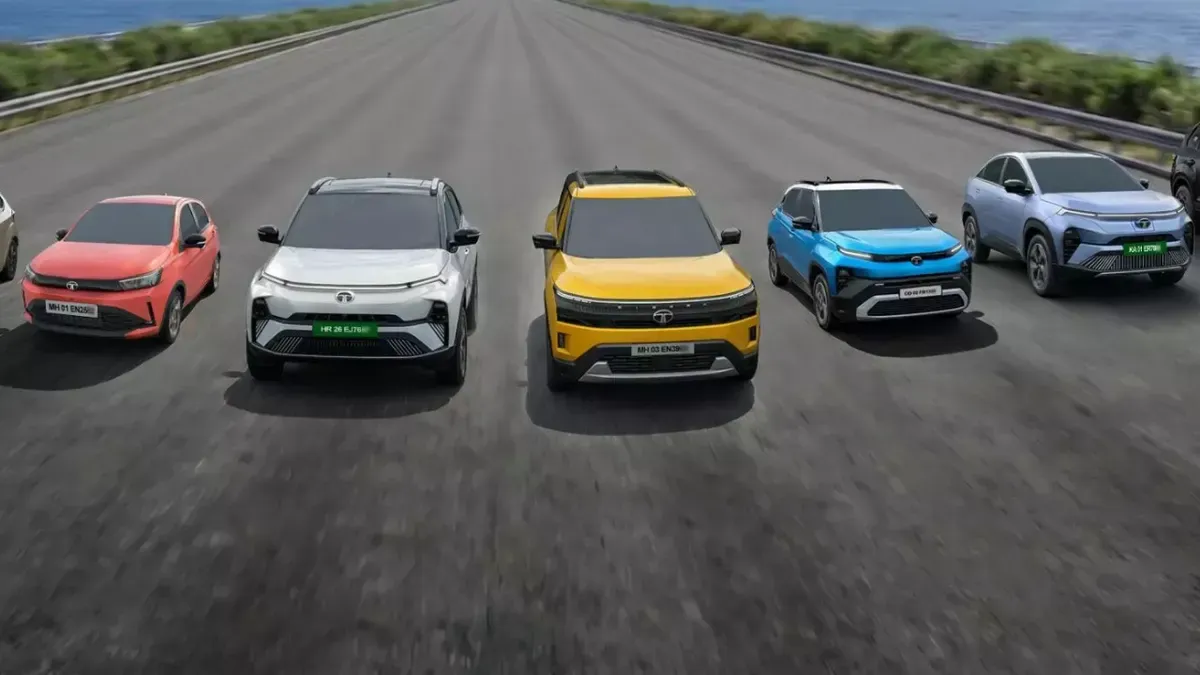
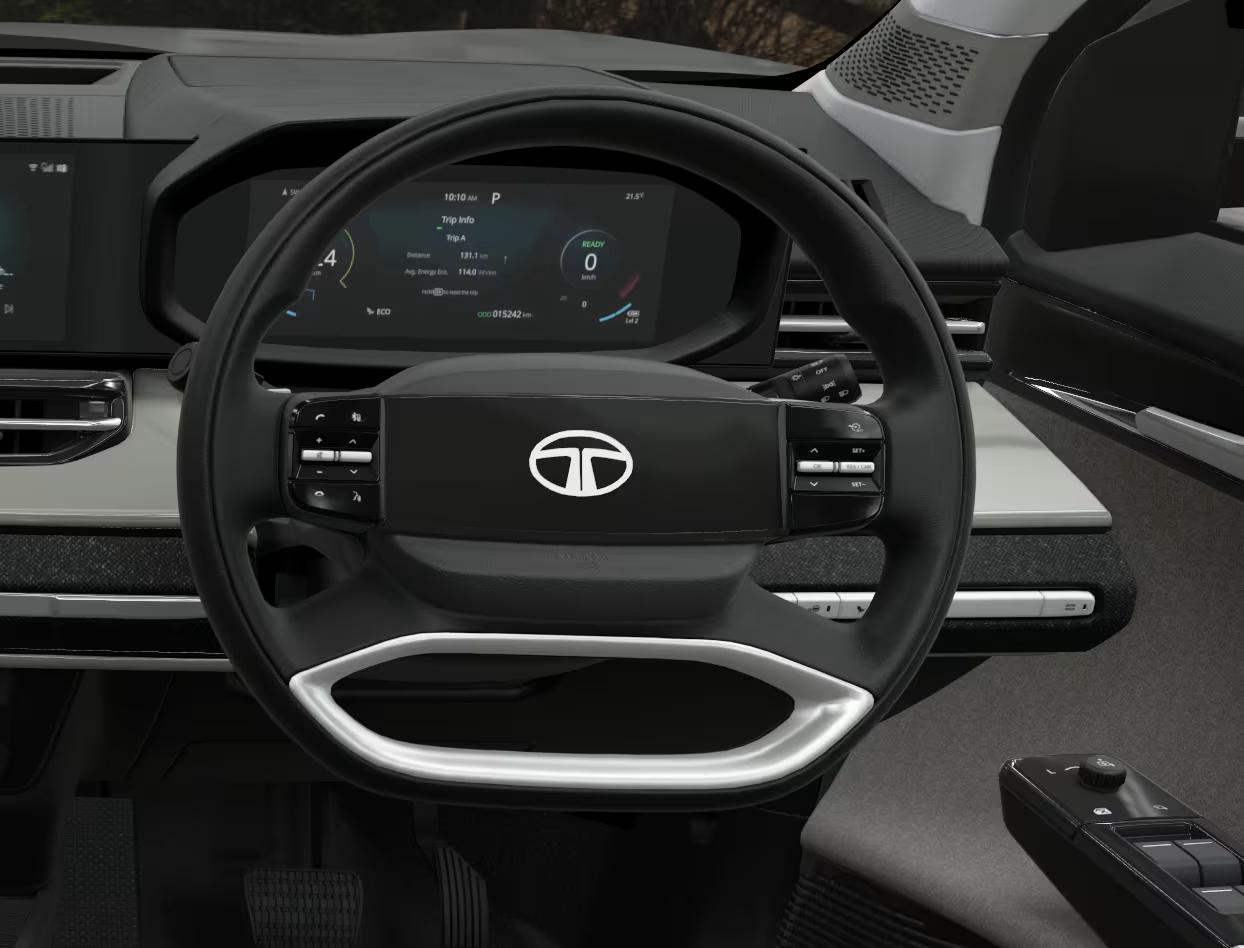
Strong financial standing means Tata Motors can keep refreshing its core lineup without cutting corners. Remember when Indian car buyers had to settle for outdated dashboards and lethargic engines? Those days are gone. With deep pockets, Tata can keep throwing premium features like ventilated seats, massive digital screens, and level-2 ADAS into everyday family cars without making the price tags completely unachievable.
EV Expansion And New Launches Driving The Buzz
Electric mobility is where Tata is putting its biggest bets. From dominating fleet sales with the Xpres-T to capturing urban families with the nexon-ev">Nexon EV and punch-ev">Punch EV, their multi-energy platform strategy is firing on all cylinders. They aren't stopping there either.
Upcoming platforms like Acti.ev and the high-end Gen-3 architecture require billions in capital expenditure. Because Tata Motors is backed by strong market performance, these ambitious projects aren't getting shelved or delayed. That means cleaner, faster, and longer-range electric SUVs will arrive in Indian showrooms much sooner than expected (about time, honestly).
Specs At A Glance
Here is how Tata's current passenger vehicle foundation stacks up in terms of core platform choices and tech capabilities available right now:
Parameter | Tata Motors PV Portfolio |
|---|---|
Key Platforms | ALFA-ARC, OMEGA-ARC, Acti.ev |
Powertrain Options | Petrol, Diesel, CNG (iCNG), Pure Electric |
CNG Innovation | Twin-Cylinder Tech (Usable Boot Space) |
Safety Rating Benchmark | 5-Star Bharat NCAP / Global NCAP (Multiple Models) |
EV Market Share | Over 65% in Indian Passenger EV Segment |
Flagship EV Range | Up to 450+ km (Claimed, Model Dependent) |
How Does It Stack Up Against The Competition?
Competing in India isn't for the faint-hearted. Maruti Suzuki still rules the volume game with unmatched fuel efficiency and a service network at every corner. Meanwhile, Hyundai and Kia keep setting benchmark standards for slick infotainment units and smooth automatic gearboxes.
Where Tata punches back is build quality and safety. While a typical entry hatch from competitors might feel lightweight, Tata cars feel like tanks on highways. Add twin-cylinder CNG technology that actually leaves space for luggage, and Tata hits rivals right where it hurts. However, Mahindra remains a tough nut to crack in the lifestyle SUV space, forcing Tata to keep refining its diesel and electric flagship models.
The Good And The Not-So-Good
What We Like
- Uncompromising safety standards across almost the entire garage
- Pioneering twin-cylinder CNG setups that salvage actual boot space
- Dominant electric vehicle ecosystem with widespread charging support
- Bold SUV styling that outclasses soft-roaders in the same price bracket
What Could Be Better
- Service center consistency still varies widely from city to city
- Infotainment software glitches occasionally pop up in initial batches
- Petrol engine refinement could be smoother compared to Japanese rivals
Price & When You Can Buy It
Tata's passenger vehicle portfolio currently spans from accessible hatchbacks around ₹5.6 lakh (ex-showroom) all the way up to premium electric SUVs pushing past ₹25 lakh. With several new launches scheduled over the next 12 to 18 months, exact pricing for upcoming models will be announced closer to their respective launch dates.
If you're planning to buy right now, current showroom availability is steady across most metro and tier-2 cities, though high-demand EV variants and twin-cylinder CNG trims can carry a couple of weeks of waiting time depending on colors.
Our Verdict
Here's the thing — balance sheets might sound boring to someone who just wants a fun car for Sunday highway drives, but financial muscle is what turns concept cars into production reality. Tata's current market strength guarantees that they won't pull back on product development or safety engineering anytime soon. If they can iron out those remaining service center quirks, buyers are in for a serious treat over the coming years.