What's The Big News?
Remember the early 90s? Tata Sierra wasn't just a car; it was a vibe with those massive rear glass panes that made you feel like you were sitting in a helicopter. Now, Tata is resurrecting this absolute legend as an all-electric SUV, but it isn't going to have an easy run in our market anymore. The competition is heating up, and it's coming from places you wouldn't expect.
Enter VinFast, the Vietnamese EV giant that's currently building a massive factory in Tamil Nadu. Their contender, the VF7, is a striking, futuristic electric crossover that wants to steal the Sierra's thunder before it even hits the showrooms. This isn't just another spec-sheet battle; it's a clash between deep-rooted Indian nostalgia and aggressive global ambition.
The Battle of Aesthetics: Retro Cool Vs Space-Age Drama
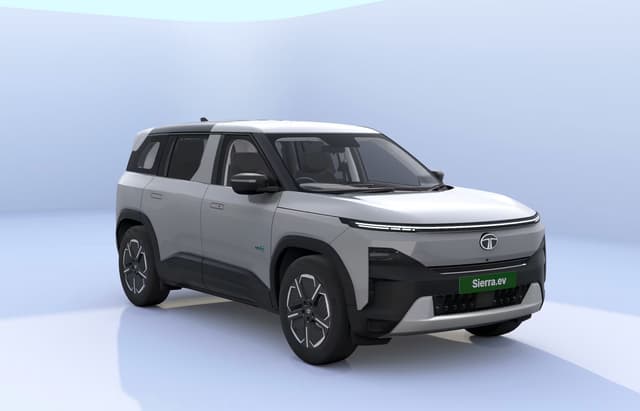
Feast your eyes on the Sierra EV concept first. Tata's design team has done a brilliant job of keeping that iconic curved rear glass silhouette while giving it a modern, clean look that doesn't feel old-fashioned. It looks sophisticated, upright, and carries an understated premium presence that will make you look twice when it rolls down our streets.
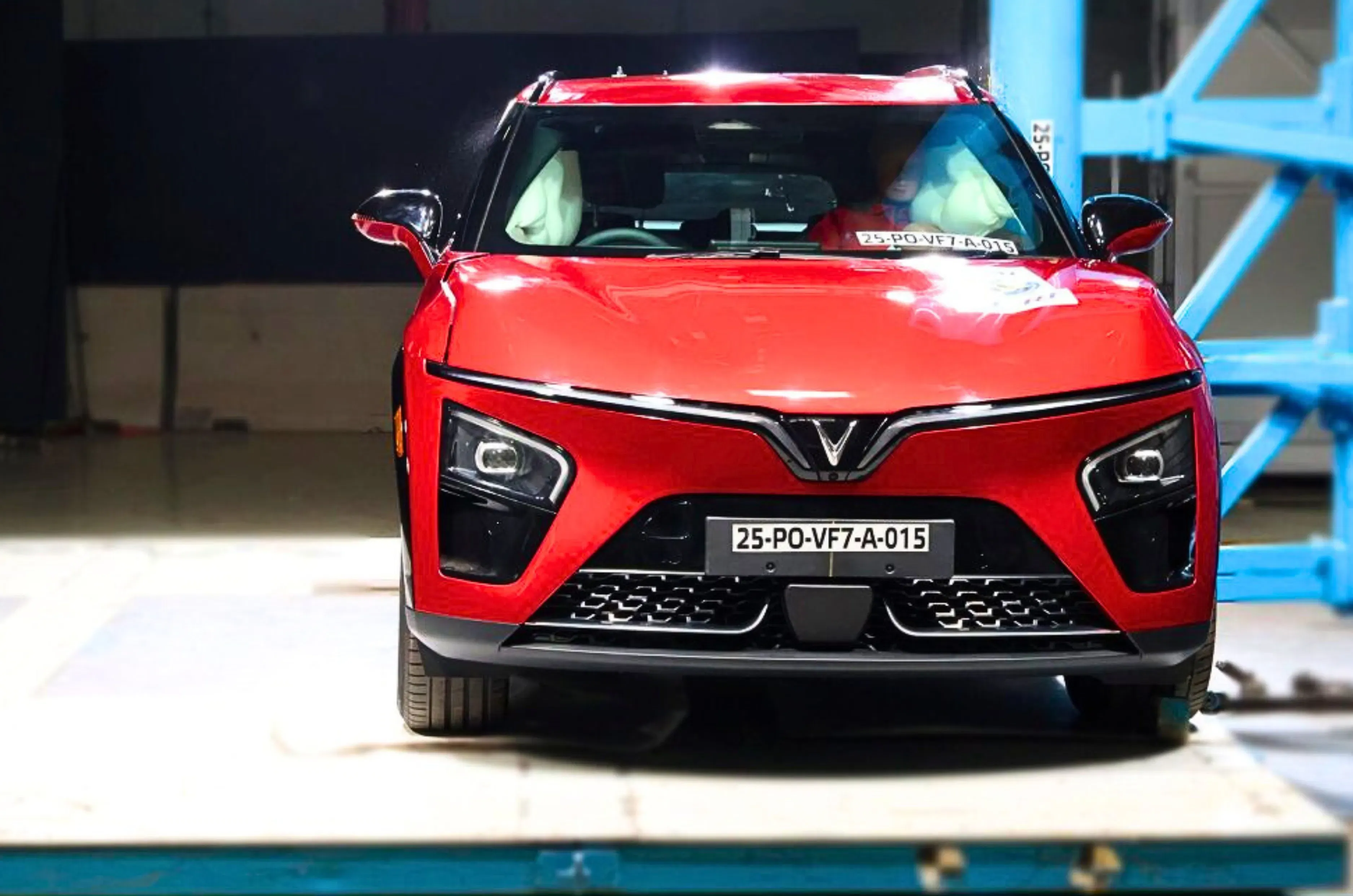
VinFast, on the other hand, went straight to the legendary Italian design house Pininfarina to pen the VF7, and honestly, it shows. Those sharp, signature V-shaped LED light bars at the front and back make it look like a spaceship. It's wider, lower, and looks incredibly athletic from every single angle. While the Tata appeals to your heart with clean lines, the VinFast grabs you by the collar with pure drama.
The Cabin Experience: A Lounge On Wheels vs A Digital Cockpit
Step inside the Sierra EV, and you'll likely find a lounge-like atmosphere. Tata has hinted at a unique rear-seat package that maximizes legroom and comfort, aiming at buyers who love to be chauffeur-driven on weekdays but want to drive themselves on weekends. The materials are expected to be highly sustainable, focusing on premium fabrics rather than cheap-feeling plastics.
Switch over to the VF7, and the vibe changes completely. This cabin is built around the driver, featuring a massive central touchscreen that handles almost all vehicle functions, leaving the dashboard incredibly clean and minimalist. You get a heads-up display instead of a traditional instrument cluster, making you feel like a pilot. It's highly futuristic, though some buyers might miss having physical buttons for simple tasks like adjusting the air conditioning.
Specs At A Glance
Since both manufacturers are yet to launch these vehicles in India, the technical specifications are based on concept details and global model configurations. Here's how they shape up:
Feature | Tata Sierra EV (Expected) | VinFast VF7 (Global Specs) |
|---|---|---|
Platform | Acti.ev / Gen 2 architecture | Proprietary EV Platform |
Battery Capacity | 50 kWh – 60 kWh | 75.3 kWh |
Estimated Range | Around 450 km to 500 km | Up to 450 km (WLTP) |
Drivetrain Options | FWD & AWD (AWD expected) | FWD (Eco) / AWD (Plus) |
Power Output | TBA | Up to 348 hp (Plus variant) |
How Does It Stack Up Against The Competition?
Competing in this premium electric SUV space won't be a walk in the park for either brand. They'll have to deal with the upcoming Hyundai Creta EV, which will leverage Hyundai's massive network and trust factor. There's also the Maruti eVX, which is expected to offer typical Maruti efficiency and a highly competitive price tag.
Where the Sierra EV and VF7 stand out is in their sheer uniqueness. While a Creta EV might look like just another family car, these two are statement pieces. The Sierra brings unmatched emotional value, while the VinFast offers global tech that feels a step ahead of what we usually see at this price point.
The Good And The Not-So-Good
What We Like about Tata Sierra EV
- The nostalgic design language is a massive hit
- Likely to offer a very comfortable, lounge-like rear seat experience
- Tata's proven track record with Indian EV safety standards
What Could Be Better for Tata Sierra EV
- Tata's software experience still needs to get smoother and glitch-free
- Expectations are sky-high, which puts massive pressure on the final product
What We Like about VinFast VF7
- Stunning exterior design that looks like a high-end European sports SUV
- Incredible performance figures on the global-spec AWD version
- Highly futuristic, driver-focused cabin tech
What Could Be Better for VinFast VF7
- Brand awareness in India is currently very low
- Building a robust service and charging network from scratch will take time
Price & When You Can Buy It
Pricing is expected to be a major talking point. We expect the Tata Sierra EV to sit comfortably in the ₹25 lakh to ₹30 lakh bracket, making it a premium alternative to the nexon-ev">Nexon EV. Tata is likely to bring this to production late next year.
VinFast, however, is the wild card. If they manage to heavily localize the VF7 at their upcoming plant, we could see a starting price of around ₹30 lakh. However, if they bring it initially as a semi-knocked-down (SKD) kit, it could easily touch the ₹35 lakh to ₹40 lakh mark, pushing it into a different league altogether.
Our Verdict
Here's the thing — if you want a car that tells a story, carries unmatched emotional weight, and offers a comfortable ride suited perfectly for Indian roads, you should wait for the Tata Sierra EV. It's a passion project from Tata, and they're likely to pull out all the stops to make it special. But if you are a tech-first buyer who wants mind-bending acceleration, futuristic looks that make neighbors jealous, and you don't mind taking a bet on a new brand, the VinFast VF7 is a stunning piece of engineering that deserves your attention.