What's The Big News?
If you've been keeping an eye on Indian auto stocks or following our homegrown carmakers making waves abroad, there's a bit of a storm brewing across the ocean. Fresh signals from the United States regarding higher import tariffs are putting pressure on Indian automotive exporters, with heavyweights like Mahindra finding themselves under the spotlight.
Dalal Street has already started reacting to these geopolitical whispers. While most of us know Mahindra for their massive domestic hit SUVs like the Thar and XUV700, their international business—particularly in tractors, components, and off-road vehicles—means trade policy shifts in Washington can ripple back to India faster than you'd expect.
Why US Tariffs Matter For Mahindra's Global Strategy
Mahindra isn't just an Indian success story anymore. Over the last decade, the brand has built a significant presence in North America through Mahindra Automotive North America (MANA) and its massive agricultural equipment division. Selling utility vehicles like the Roxor and a huge range of farm tractors has given them a solid footing in the US countryside (yes, really, American farmers love Indian tractors).
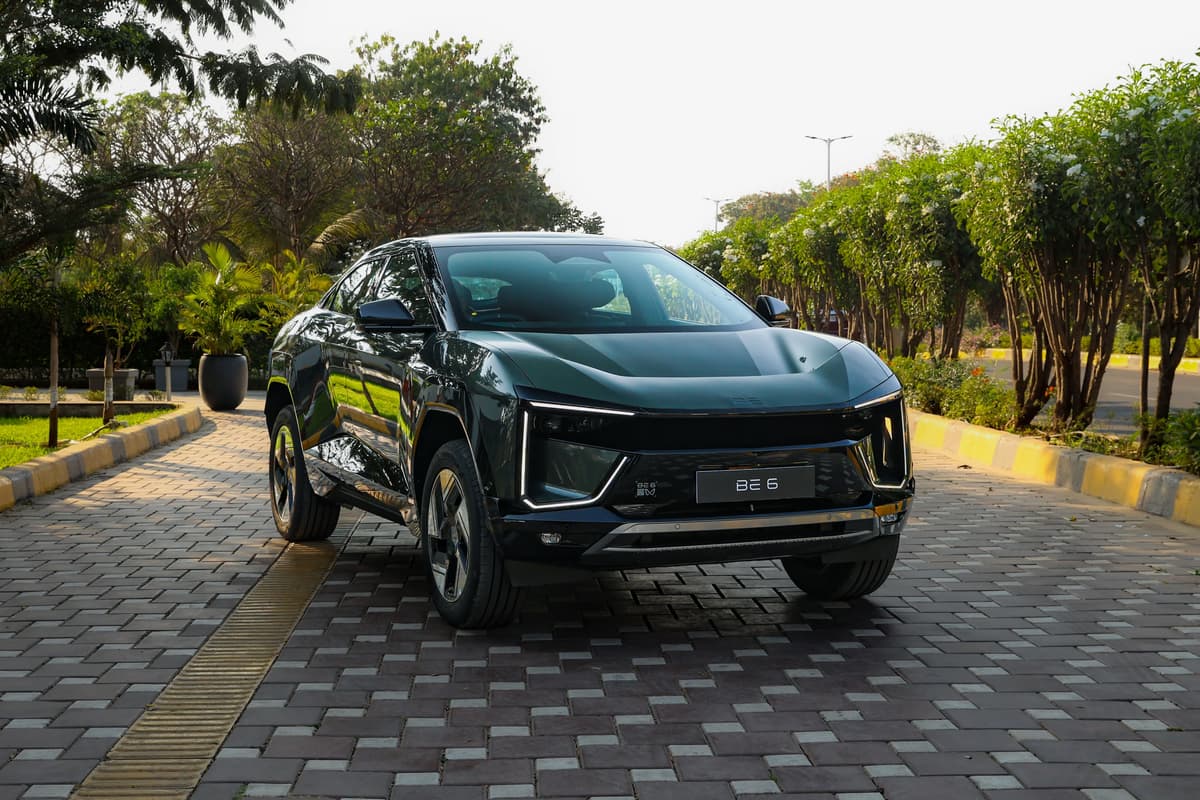
Higher trade barriers make exporting finished vehicles and component assemblies directly from India a whole lot more expensive. If heavy tariffs kick in, Mahindra will face a tough choice: absorb the extra costs and take a hit on profit margins, or raise prices for US buyers and risk losing ground to local or South American competitors. For a brand planning to take its upcoming Born EV electric SUVs global, tariff walls present a real strategic hurdle.
How Big Is The Broader Indian Auto Export Impact?
This isn't just a Mahindra problem. Several Indian auto component suppliers and vehicle exporters have been building momentum in Western markets, offering high-quality manufacturing for the price of a mid-spec Swift's development budget elsewhere. When global trade rules get tightened, the whole supply chain feels the squeeze.
However, Indian automakers have one massive safety cushion that foreign legacy brands would kill for: our booming home market. While US export channels might face tariff headwinds, Indian car buyers are purchasing SUVs faster than factories can produce them. That domestic firewall gives companies like Mahindra enough cash flow to navigate global trade turbulence without having to stall their product development plans back home.
Specs At A Glance
Parameter | Current Status / Impact Details |
|---|---|
Primary US Vehicle Lineup | Roxor off-roader, Commercial Tractors |
Tariff Pressure Severity | Under Policy Review / High Watch |
Primary Domestic Revenue Drivers | Thar, Scorpio-N, XUV700, XUV3XO |
Future EV Export Strategy | Born EV Architecture (Expected post-2025) |
Domestic Market Buffer | Very Strong (Long waiting periods on key SUVs) |
How Does It Stack Up Against The Competition?
Comparing Mahindra's exposure to other Indian giants gives us a clearer picture of who is at risk. Tata Motors, for instance, faces global trade hurdles mostly through Jaguar Land Rover (JLR) rather than its standalone Indian passenger vehicle lineup. JLR has manufacturing facilities spread across Europe, giving them a slightly different set of supply chain challenges.
Maruti Suzuki, on the other hand, exports heavily to Latin America, Africa, and Japan, leaving them relatively insulated from US-specific trade tariffs. Mahindra finds itself uniquely positioned because of its double footprint in both commercial agriculture and utility vehicles in North America. (And honestly, it shows in how sensitive their stock price gets whenever US trade policy hits the headlines.)
The Good And The Not-So-Good
What We Like
- Massive domestic SUV demand cushions any short-term export revenue dip
- Strong balance sheet allows Mahindra to absorb policy uncertainties
- Robust North American tractor dealer network already in place
- Born EV platform gives them flexibility for future localized assembly
What Could Be Better
- Uncertain export margins could delay expansion plans for North America
- Stock market volatility in the short term for retail investors
- Potential cost increases for overseas assembly operations
Price & When You Can Buy It
If you're worried about how this affects the price of a Mahindra SUV in India, you can take a deep breath. Local vehicle pricing for models like the Scorpio-N, Thar, or XUV700 won't be directly impacted by US import tariffs. Any pricing adjustments in India will remain driven by local input costs, raw material prices, and festival season updates.
For global markets, official pricing strategies under any new tariff structure will be announced by Mahindra closer to their upcoming financial quarters. As for launch timelines for new domestic SUVs and EVs, those remain firmly on track without any reported delays.
Our Verdict
Look, trade policy debates in the US always create short-term noise in stock markets, but they rarely change a company's core strengths overnight. Mahindra's position in India is stronger than it has ever been, and their domestic order books are packed for months ahead.
Here's the thing — Indian automakers aren't relying solely on Western markets anymore when their home ground is booming like crazy. While Mahindra will definitely need to fine-tune its North American export strategy to tackle higher duties, Indian car buyers and fans have very little to worry about when it comes to upcoming products and showroom prices.