What's The Big News?
EV adoption is picking up speed, but range anxiety and battery costs remain a concern for many potential buyers. But what if you could buy an EV without owning the battery? That's the promise of Battery-as-a-Service (BaaS), and it's slowly gaining traction in India.
BaaS allows you to purchase an EV at a lower upfront cost, as the battery pack is not included in the initial price. Instead, you lease the battery from the manufacturer or a third-party provider, paying a monthly fee based on usage. Let's dive into which EVs offer this and if it’s a game-changer.
BaaS: How Does It Actually Work?
Think of it like renting your car's fuel tank. Instead of owning the battery (the 'fuel tank' in this case), you subscribe to a battery service. This means a lower initial price for the car itself. You then pay a monthly fee, usually based on how many kilometers you drive. When the battery's performance degrades, the BaaS provider replaces it. No massive battery replacement bill for you.
The biggest advantage? Lower upfront cost. EVs can be expensive, mainly due to the battery. BaaS significantly reduces this hurdle. Plus, you don't have to worry about battery degradation or replacement costs down the line. It's a bit like shifting the risk to the service provider. This can make EVs accessible to a wider range of buyers.
Which EVs in India Offer BaaS?
Currently, the options are limited, but growing. Key players include:
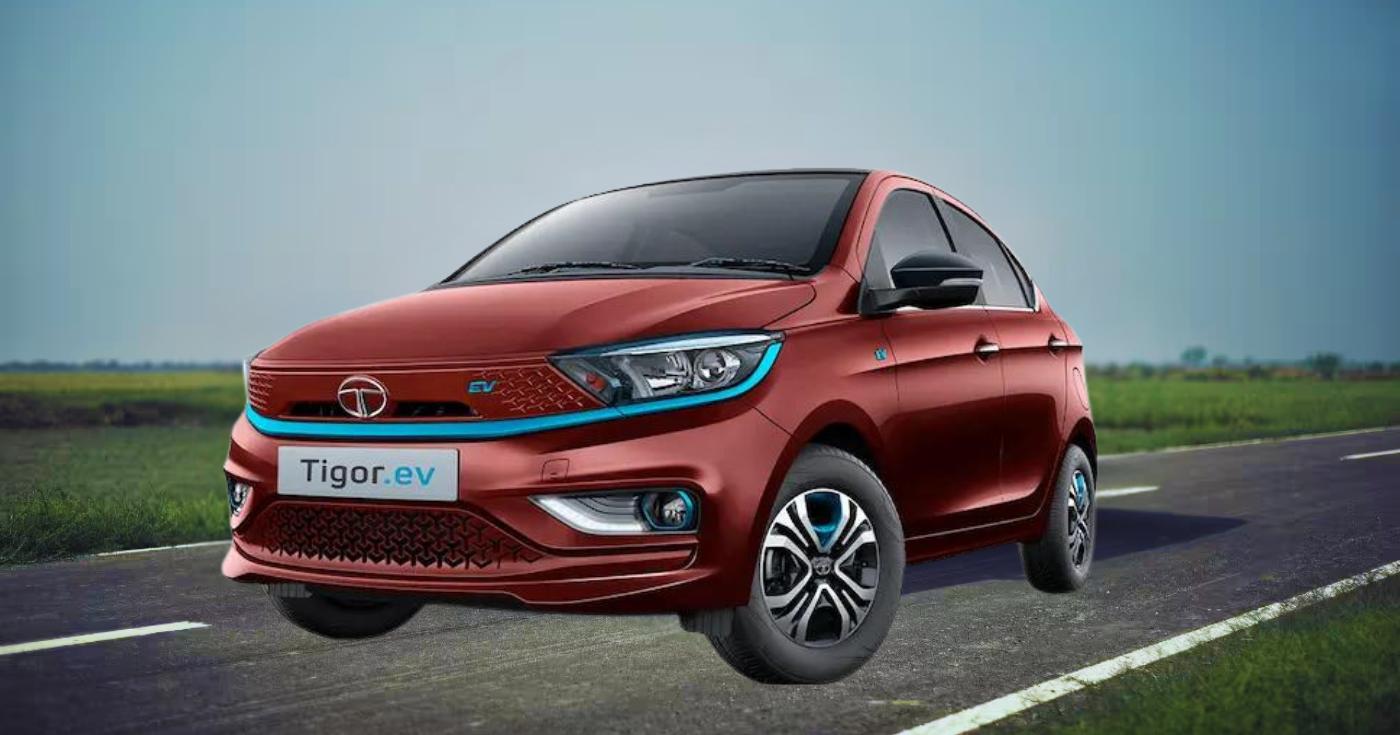
- Tata Motors: Tata has been experimenting with BaaS for some time. While not widely advertised, it's available on select models like the tigor-ev">Tigor EV in certain fleet segments. Expect broader availability as the ecosystem matures.
- MG Motor India: MG is actively exploring BaaS for the ZS EV, and is expected to introduce it soon. This could be a game-changer for the ZS EV, making it more competitive.
- Euler Motors: Euler focuses on commercial EVs and offers BaaS for its three-wheeler cargo vehicles. This is particularly attractive for businesses looking to reduce operational costs.
- Gogoro: While not a car manufacturer, Gogoro is making waves with its battery-swapping network for electric scooters. They're partnering with companies like Hero MotoCorp, and their technology could potentially be adapted for cars in the future.
It’s worth noting that some companies might offer BaaS through partnerships with battery leasing companies. So, it's always best to check with the dealer.
Specs At A Glance
Model | Battery Capacity | Range (claimed) | BaaS Availability |
|---|---|---|---|
Tata Tigor EV | 26 kWh | 306 km | Limited (Fleet Only) |
MG ZS EV | 50.3 kWh | 461 km | Coming Soon |
Euler HiLoad EV | 12.4 kWh | 151 km | Yes |
How Does It Stack Up Against The Competition?
Let's see how BaaS-enabled EVs might fare against traditional EVs:
- Tata Tigor EV vs. Tata Nexon EV: The Nexon EV currently doesn't offer BaaS. If the Tigor EV becomes widely available with BaaS, it could attract budget-conscious buyers who prioritize lower upfront costs over outright performance.
- MG ZS EV vs. Hyundai Kona Electric: If MG introduces BaaS for the ZS EV, it could undercut the Kona Electric's price, making it a more attractive proposition. It all depends on the monthly subscription cost.
- Euler HiLoad EV vs. Piaggio Ape E-Xtra FX: Both cater to the commercial segment, but Euler's BaaS offering gives it a distinct advantage in terms of reducing operational expenses and battery maintenance hassles.
The Good And The Not-So-Good
What We Like
- Lower upfront cost makes EVs more accessible.
- No battery degradation worries.
- Battery replacements are handled by the service provider.
- Potential for faster adoption of EV technology.
What Could Be Better
- Monthly subscription fees add up over time.
- Limited availability of BaaS-enabled EVs.
- Standardization of battery technology is needed for wider adoption.
- Long-term cost benefits depend on usage and subscription plans.
Price & When You Can Buy It
Pricing for BaaS is tricky. The initial cost of the EV will be lower (expect a reduction equivalent to a significant chunk of the battery cost), but you'll have to factor in the monthly subscription fee. This fee will vary based on your usage (kilometers driven) and the specific BaaS plan you choose.
Tata Motors already offers it in a limited capacity. MG is expected to announce BaaS for the ZS EV in the coming months. Keep an eye on Euler Motors if you're in the market for a commercial EV.
Our Verdict
BaaS is a promising concept that could accelerate EV adoption in India. It addresses two major concerns: the high upfront cost and battery degradation worries. However, it's not a magic bullet. You need to carefully evaluate the long-term costs and whether the monthly subscription fees make sense for your driving habits.
The limited availability of BaaS-enabled EVs is another challenge. We need more manufacturers to embrace this model and standardize battery technology. Honestly, if BaaS becomes more widespread and subscription costs are competitive, it could be a game-changer for the Indian EV market. It's something to watch closely.