What's The Big News?
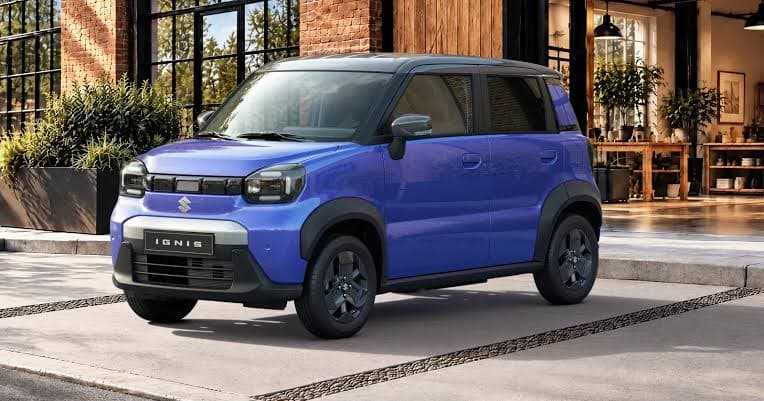
So, the buzz is real, folks! Maruti Suzuki, the undisputed king of Indian roads, has officially unveiled its electric Ignis. This isn't just another concept drawing; we're talking about a proper first look at what could be their next big mass-market EV. For years, we've been asking when Maruti would get serious about electrics beyond a few test mules, and it seems they're finally showing their cards.
Now, before you get all excited and head to your nearest Nexa showroom with your chequebook, there's a pretty big catch. Maruti's planning to launch this Ignis EV in 2027. That's a full three years away, folks (yes, really!), which feels like an eternity in the rapidly evolving EV landscape. It begs the question: is this a calculated move to perfect their offering, or are they simply playing it too safe and risking being late to an already competitive party?
The Long Wait for Maruti's Electric Hatchback
Let's talk about that 2027 launch timeline because, honestly, it's the elephant in the room. Three years is a significant amount of time in the automobile world, especially when it comes to electric vehicles where technology is advancing at breakneck speed. Think about it: the Tata Tiago EV, which is already a strong contender, might have seen a couple of updates by then, and new rivals will surely emerge. It feels like Maruti is taking a very cautious, almost conservative, approach to EV adoption in India.
We understand that building a robust EV ecosystem – from battery sourcing to charging infrastructure – takes time. And Maruti, with its massive sales volumes, can't afford to rush things and get it wrong. Their reputation for reliability and extensive service network is a huge asset, and they'll want to ensure that translates seamlessly to their electric lineup. However, this extended wait means potential buyers who are ready to switch to an EV right now might look elsewhere, perhaps towards established players like Tata Motors or even newer entrants like MG, who are already offering viable and feature-rich options.
Design Cues and What to Expect Inside
From what we've seen of the unveiled Ignis EV, it seems to retain the quirky, somewhat unconventional styling of its petrol counterpart. Whether that polarising design will work in the EV space remains to be seen. Maruti might give it some typical EV-specific touches – blue accents, aerodynamic wheels, and perhaps a slightly revised front grille to reflect its electric heart. It's safe to assume it'll stay compact, making it an ideal city car, perfect for navigating congested Indian traffic.
Inside, we're hoping for a step up in terms of modern amenities. Given the 2027 launch, Maruti really needs to pull out all the stops. Expect a larger, floating touchscreen infotainment system, a fully digital instrument cluster, and perhaps some connected car tech. Safety features like multiple airbags, ABS with EBD, and possibly even some ADAS functions in higher variants, will be crucial to compete. Maruti usually plays it safe with features compared to some rivals, but for an EV launching three years from now, they'll have to deliver a truly contemporary cabin experience. We're also keen to see if they can carve out decent boot space despite the battery pack.
Specs At A Glance
Feature | Details |
|---|---|
Powertrain | Electric Motor (Official figures TBA) |
Battery Capacity | Expected to be a compact unit (TBA kWh) |
Range (Claimed) | Anticipated around 300-400 km (TBA) |
Charging | AC and DC Fast Charging support (TBA) |
Dimensions | Likely similar to current Ignis hatchback (TBA) |
Seating Capacity | 5 Passengers |
Launch Timeline | 2027 (Confirmed) |
Expected Body Style | Compact Hatchback |
Advertisement
How Does It Stack Up Against The Competition?
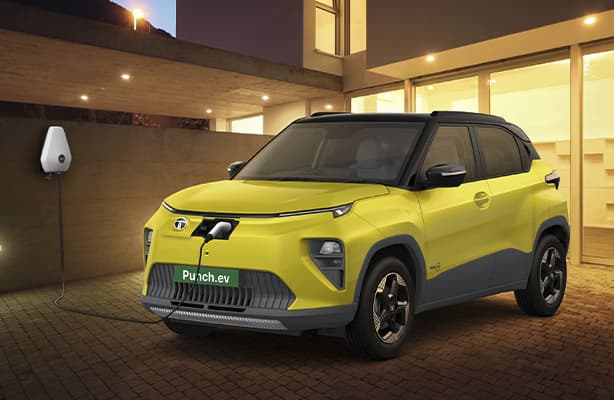
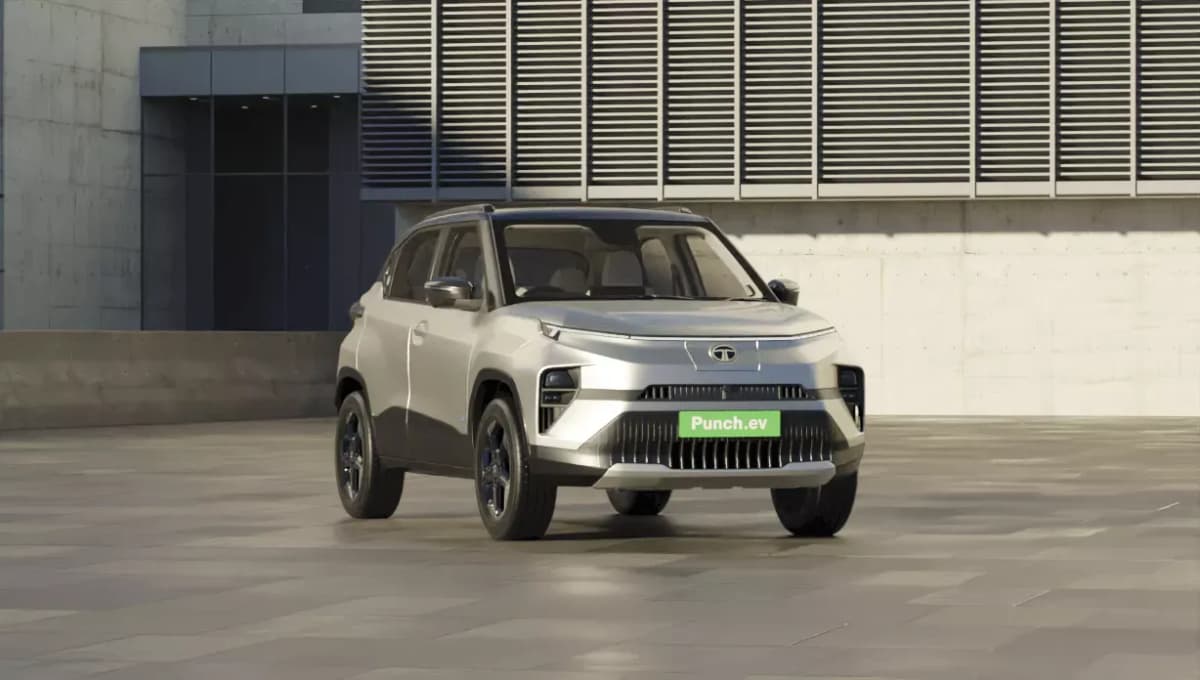
When the Ignis EV finally arrives in 2027, it won't be entering an empty playing field. Far from it! It'll be up against established players and possibly even newer, more advanced rivals. Right now, its direct competitor in the budget EV hatchback space is the Tata Tiago EV, which offers a great package for the price. We also have the quirky MG Comet EV, which targets a very specific urban buyer, and the more rugged Citroen eC3. By 2027, you can bet there will be more options, possibly even from Hyundai and Mahindra in this segment.
Maruti's biggest strength will undoubtedly be its unparalleled sales and service network across India. That's a huge psychological comfort for many buyers. Reliability perception is another strong suit. However, to truly stand out, the Ignis EV will need to offer competitive range figures, rapid charging capabilities, and a features list that doesn't feel dated. The pricing will be the ultimate decider. If Maruti can undercut rivals or offer significantly better value for the price of a mid-spec Swift, they'll have a winner on their hands. Otherwise, it's going to be a tough fight to win over customers who've already had years of experience with other brands' EVs.
The Good And The Not-So-Good
What We Like
- Maruti's Entry: Finally, a mass-market EV from the country's largest automaker is a huge step forward for EV adoption.
- Extensive Network: Unmatched sales and service reach will be a big draw for many first-time EV buyers.
- City-Friendly Size: The compact dimensions of the Ignis are perfect for urban commuting and parking.
- Expected Reliability: Maruti's reputation for trouble-free ownership should extend to its EV.
What Could Be Better
- The Long Wait: A 2027 launch means the Ignis EV risks feeling behind the curve upon arrival.
- Feature Set: Maruti needs to be aggressive with features to compete with future rivals, not just current ones.
- Battery & Range: While specs are TBA, they'll need to deliver competitive real-world range, not just claimed figures.
- Design Refresh: The current Ignis design is polarising; a more universally appealing EV aesthetic might help.
Price & When You Can Buy It
As confirmed, the Maruti Ignis EV is slated for an official launch in 2027. So, you'll have to sit tight for a while before you can actually get your hands on one. This extended timeline also means that any specific details on pricing are purely speculative at this point.
Pricing will be announced closer to its 2027 launch. However, given Maruti's history of targeting the mass market, we anticipate a competitive price point, possibly making it one of the most accessible EVs in its segment, similar to what the Tiago EV offers today. We're hoping for an ex-showroom price that puts it squarely in the budget-friendly electric hatchback category, maybe somewhere around the ₹9-12 lakh mark for its entry-level variants, but that's just an educated guess for now.
Our Verdict
The unveiling of the Maruti Ignis EV is undoubtedly a significant moment for the Indian automotive scene. Maruti finally showing its hand in the electric game is something we've been eagerly waiting for. Their sheer market presence and trusted brand name mean this car has the potential to truly democratise EVs in India, much like the Alto or Swift did for petrol cars. It's a clear signal that the future is indeed electric, and Maruti intends to be a part of it.
Here's the thing — while the Ignis EV is a crucial step for Maruti, waiting until 2027 feels like an eternity in the fast-paced EV world. They'll need to deliver something truly revolutionary, not just reliable, to make a real impact then. The competition isn't sitting idle; they're innovating, expanding, and refining their offerings year after year. For the Ignis EV to succeed, it won't just need Maruti's badge; it'll need class-leading range, cutting-edge features, and a price tag that makes us forget the long wait. Until then, it's a promising preview, but the real test is still a long way off.