What's The Big News?
Maruti Suzuki, the undisputed king of Indian roads for decades, just dropped its Q1 financial results, and they're not exactly sparkling. The company reported an 11% decline in net profit, settling at ₹3,352 crore. Now, for any other company, this might be a blip, but for Maruti, whose numbers usually only go up, it's certainly got the market talking.
But here's the thing — don't just look at the numbers and panic. A profit dip for a giant like Maruti doesn't necessarily mean the sky is falling. It could signify a strategic shift, increased investment, or just the natural ebb and flow of a fiercely competitive market. For us enthusiasts, the real question is: what does this financial shuffle mean for the cars we buy and the future models heading our way?
Maruti's Big Picture: Shifting Gears Amidst Market Heat
Look, Maruti isn't just sitting idle. They're facing immense pressure from rivals like Tata Motors and Hyundai, who've been aggressive with their SUV and EV offerings. For years, Maruti dominated with hatchbacks and sedans, but buyer preference has clearly shifted towards SUVs. And honestly, it shows. This profit dip could be a reflection of the significant investments Maruti is pouring into R&D, new platforms, and production capacity to catch up in these booming segments.
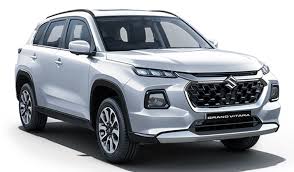
We've seen them launch models like the Grand Vitara and the Fronx, trying to reclaim lost ground in the SUV space. These aren't cheap cars to develop or produce. They require new tech, better features, and a premium feel that Maruti traditionally wasn't known for in its mass-market offerings. A dip in short-term profits often happens when a company is making big, long-term plays. It's like saving up for a down payment on your dream car – you're making a sacrifice now for a bigger reward later.
This also impacts their product mix. Selling more premium SUVs, even with higher margins per unit, means their overall volume might be slightly different. Plus, component costs have been a global headache. Chip shortages might not be as dire as before, but supply chain complexities and rising raw material prices are real. Maruti has always been a master of cost efficiency, but even they can't magically escape global economic pressures. They're trying to keep prices competitive while also upgrading features, and that's a tough tightrope walk.
What Does This Mean for Your Next Maruti Purchase?
So, if Maruti's profits are taking a hit, what does it mean for us, the folks eyeing a new Baleno or a Jimny? Well, it suggests a few things. Firstly, you'll likely see Maruti pushing harder on premium features and safety, especially in their new launches. They know they can't just rely on brand loyalty and fuel efficiency anymore. Competitors are offering six airbags and advanced connected tech even in mid-range cars. Maruti has to match that, or even exceed it, to justify its presence in the more lucrative segments.
Secondly, expect more variety, especially in the SUV and possibly EV space. This profit dip might accelerate their move towards electrification, because frankly, that's where a huge chunk of future growth lies. They can't afford to be late to that party. We might see them get more aggressive with variants and special editions to keep sales momentum going, offering better value for money to tempt fence-sitters.
Finally, this situation could put a brake on frequent, minor price hikes. Maruti usually adjusts prices regularly, but with profits under pressure, they might be more cautious. They know Indian buyers are extremely price-sensitive. A better equipped car at a competitive price is what every enthusiast wants, and this financial report could nudge Maruti to deliver exactly that. (yes, really)
Key Financial Snapshot (Q1 FY25)
Metric | Details |
|---|---|
Net Profit (Q1 FY25) | ₹3,352 crore |
Year-on-Year Change | Down 11% |
Primary Market Focus | India (dominant player) |
Key Growth Areas | SUVs, Premium Segment, Electrification (strategic) |
Global Economic Factors | Component cost pressures, supply chain dynamics |
Maruti Against the Titans: The Market Share Battle
Maruti isn't just competing with itself; it's up against formidable opponents who are constantly upping their game. Tata Motors, for example, has cemented its position as a strong contender, especially with its safe cars and aggressive EV push. Hyundai continues to be a powerhouse, offering feature-rich models across segments. Then there's Mahindra, whose SUV portfolio is incredibly strong and diverse.
This intense competition means Maruti can't afford complacency. While they still command a significant chunk of the market, especially in the entry-level and compact segments, their dominance in the higher price brackets (where bigger profits are made) is constantly challenged. The Q1 profit dip highlights the need for them to not just maintain, but actively grow their share in these more profitable spaces. It's a fight for every single sale, and every carmaker wants a piece of that growing Indian pie.
The Road Ahead: Maruti's Strengths and Challenges
What Maruti's Doing Right
- Unmatched Service Network: No one comes close to Maruti's reach across India. It's a massive advantage, especially in Tier 2 and Tier 3 cities.
- Strong Brand Trust: Decades of reliability and low maintenance costs have built immense loyalty among Indian families.
- Aggressive New Product Pipeline: They're actively launching new SUVs and seemingly preparing for more EVs, showing intent to adapt.
- Fuel Efficiency: Still a major drawcard for many buyers, even with petrol prices fluctuating.
Areas That Need a Boost
- Perceived Safety: While newer models are improving, some older platforms still lag behind rivals in crash test ratings, which is a growing concern for buyers.
- Premium Feature Gap: Competitors often offer more advanced tech, better interiors, and higher-quality materials at similar price points.
- EV Portfolio: Maruti is a late entrant to the mainstream EV market, and playing catch-up will be expensive and challenging.
- Reliance on Mass Market: While their bread and butter, it's a lower-margin segment. Shifting focus to higher-margin products takes time.
What This Means for Future Launches & Pricing
Now, about specific car launches and prices — this Q1 financial report isn't going to give us exact dates or figures for the next Alto or Swift. What it does signal, however, is Maruti's broader strategic direction. We can expect them to continue investing heavily in new models, particularly in the SUV and EV segments. This means more options for you, the buyer, but don't expect them to undercut the market drastically on price just because of a profit dip.
Pricing for new models will still be very competitive, designed to gain market share while maintaining profitability in the long run. Any significant price changes across existing models are usually announced separately and influenced by production costs, demand, and competitor moves, not just one quarter's results. So, while your next Maruti isn't getting a sudden discount, the company's long-term strategy of offering better-equipped, safer cars is likely to continue.
Our Verdict
Honestly, Maruti's Q1 profit dip is a wake-up call, not a death knell. It shows that even the biggest players aren't immune to market shifts and intense competition. For us car buyers, this is actually good news. It forces Maruti to innovate harder, offer better products, and think more keenly about value. They've built an empire on understanding the Indian consumer, and they'll adapt. We feel this period of adjustment will lead to even more compelling cars from them in the future. It's a bumpy road, but Maruti usually finds a way to navigate it.