What's The Big News?
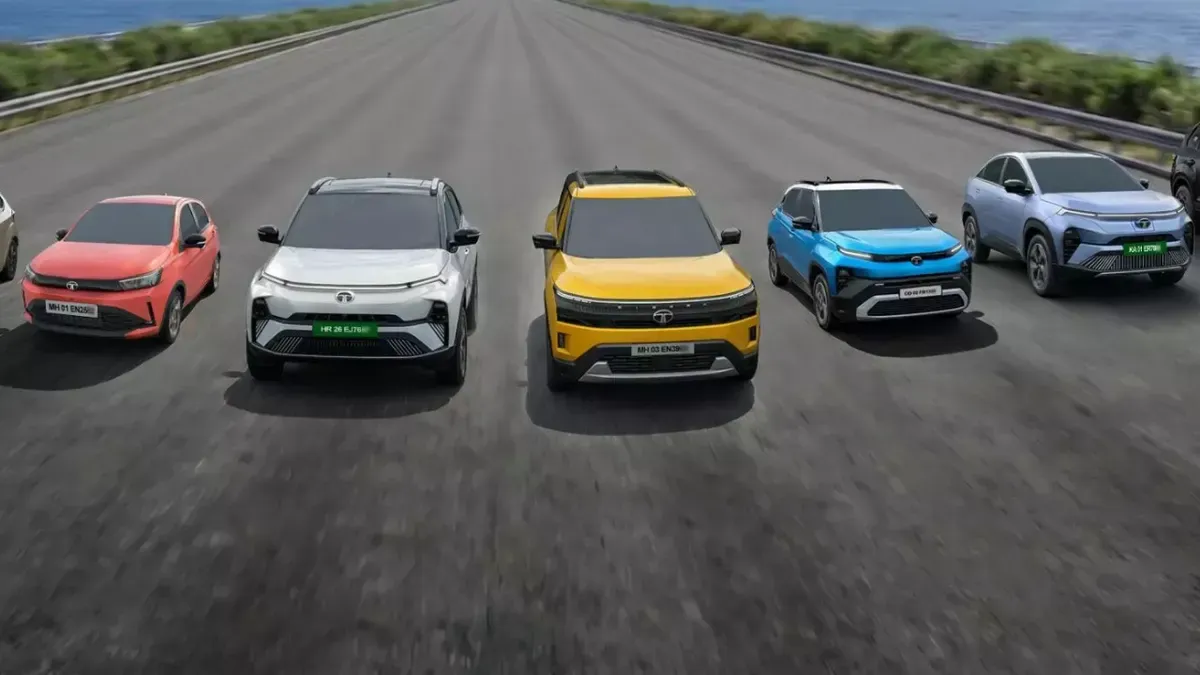
Alright, folks, Arman here, and let me tell you, the buzz coming out of Tata Motors is louder than a revving V8! We're hearing whispers – strong whispers, mind you – that Tata is prepping to unleash a massive wave of six brand-new cars onto the Indian market. And yes, you read that right, this includes a healthy dose of electric vehicles too. It’s not just a refresh; it’s a full-on assault on every segment, from your daily commuter to your weekend warrior.
For years, we've seen Tata steadily climb the ladder, giving us robust, feature-packed, and increasingly safe cars. Now, they're not just climbing; they're attempting a leap! This isn't just about adding new models; it's about solidifying their position as a major player and perhaps even setting new benchmarks in an already cut-throat market. Get ready, because your next car might just have a Tata badge on it.
Tata's Strategy: More Than Just New Metal
Look, Tata isn't just throwing new sheet metal our way. This aggressive expansion is about covering more ground, giving buyers more choices, and, crucially, addressing the evolving demands of the Indian customer. We're talking about a mix of internal combustion engine (ICE) cars and, importantly, a strong focus on electric vehicles. It shows Tata's commitment to both current market needs and future mobility solutions, which, honestly, is what we expect from a brand that understands our market so well.
We expect to see updates to existing popular models, maybe even a new generation of a bestseller, alongside entirely new nameplates, especially in the EV space. Think better range, faster charging, and more integrated tech in their electric offerings. For ICE vehicles, expect more refinement, possibly new gearbox options, and of course, those crucial safety upgrades that Tata has become synonymous with. They know Indian buyers want value, but they also want peace of mind, and it looks like they're set to deliver on both fronts.
The Electric Push: A Game-Changer?
Here's the thing — Tata's EV strategy has been incredibly successful so far, capturing a significant chunk of the market. With these new electric models, they're not just expanding their portfolio; they're aiming to democratize EVs further. We could see EVs in segments where options are currently limited or simply too expensive. Imagine a truly affordable, long-range electric car that doesn't break the bank – that's the kind of disruption Tata is capable of.
This means more options for the common man looking to switch to electric, and that's a big deal for our environment and our wallets, especially with rising fuel prices. Expect improvements in battery technology, charging infrastructure integration, and perhaps even some clever V2L (Vehicle-to-Load) capabilities in the higher-end models. Tata isn't just building cars; they're building an EV ecosystem, and these new launches will be pivotal to that vision.
Specs At A Glance
Feature | Details (Expected) |
|---|---|
Powertrain Options | Petrol, Diesel, Electric |
Platform | Mix of updated existing platforms & new EV-specific architectures |
Expected Range (EV) | Improved, targeting 300-500 km (ARAI certified) |
Infotainment | Larger touchscreen displays (10.25-inch+), wireless Apple CarPlay/Android Auto |
Safety Features | 6 Airbags standard on many models, ESP, improved structural rigidity, ADAS (on higher variants) |
Interior Comfort | Premium materials, ventilated seats (on higher variants), improved ergonomics |
Launch Timeline | Phased launches over the next 12-18 months |
How Does It Stack Up Against The Competition?
Tata's existing lineup already gives rivals like Maruti Suzuki, Hyundai, and Mahindra a tough fight, especially in segments like compact SUVs (Nexon) and premium hatchbacks (Altroz). With six new models, Tata is clearly aiming to either widen their lead or enter new territories where they currently aren't as strong. Imagine a new EV that directly challenges the likes of the upcoming Hyundai Creta EV or even a more premium offering that takes on Mahindra's XUV700.
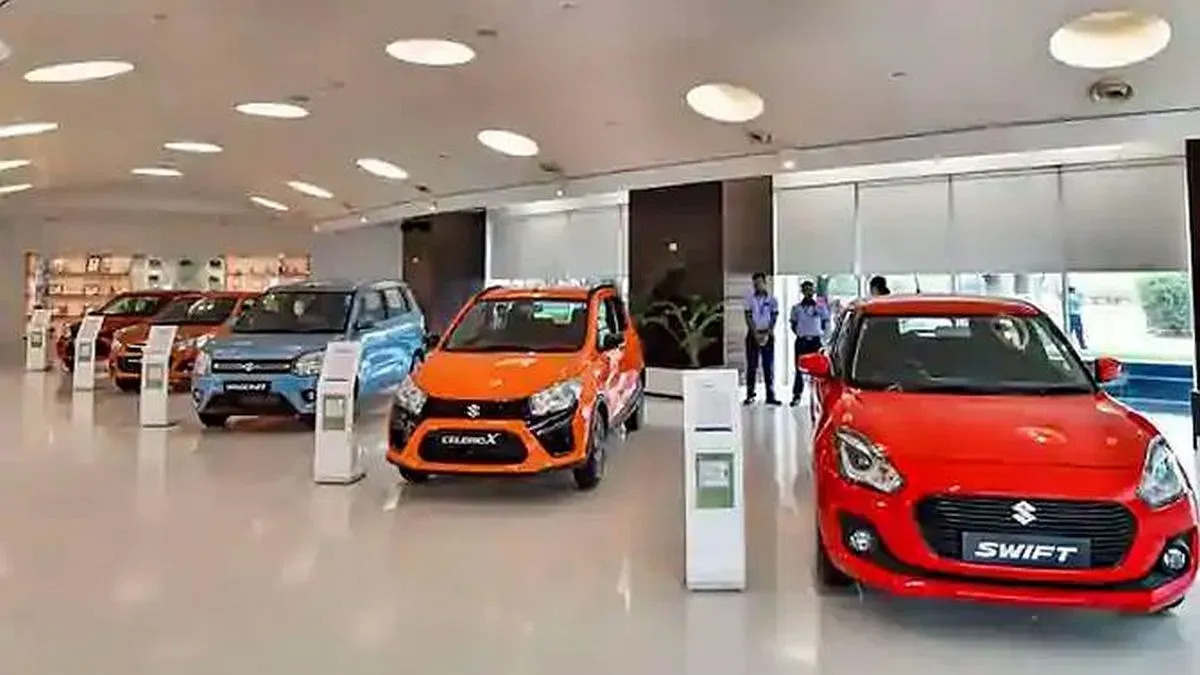
For the price of a mid-spec Swift, you often get a much safer and better-built Tata. These new models will likely push that advantage further, offering more features and advanced tech at competitive price points. Maruti's trying to catch up in EVs, and Hyundai always brings quality, but Tata's volume game in EVs is strong. These new launches will certainly force every other manufacturer to step up their game, which is great news for us, the buyers.
The Good And The Not-So-Good
What We Like
- Aggressive Market Strategy: Six new cars show Tata's serious intent to capture more market share.
- Strong EV Focus: More electric options mean greater accessibility and choice for green mobility.
- Expected Feature Boost: Tata usually packs its cars with segment-leading features, and we expect that to continue.
- Safety First Approach: Continuing Tata's legacy of building some of the safest cars on Indian roads.
- Improved Refinement: Hoping for even better NVH levels and driveability across the range.
What Could Be Better
- Service Network Consistency: While improving, Tata's service network still needs to match Maruti or Hyundai's reach and consistency in some regions.
- Dealership Experience: Sometimes the buying experience can be a hit or miss; consistency is key with so many new products.
- Quality Control: While vastly improved, the occasional niggle still pops up; tighter QC would be fantastic.
- Engine Options: More powerful or refined engine options in certain segments would be welcomed.
Price & When You Can Buy It
Official pricing details for these six upcoming models are, understandably, still under wraps. Tata usually keeps these cards close to its chest until closer to launch. However, given their market positioning, we expect competitive pricing, possibly starting from the ₹7-8 lakh range for entry-level models and going upwards of ₹20-25 lakh for the more premium EVs or top-spec ICE variants.
As for availability, these aren't all coming at once. We anticipate a phased rollout, with the first few models likely to start appearing on showroom floors and available for booking within the next 6-12 months, followed by others over the subsequent year. Keep an eye on CarBikeGPT.com; you know we'll bring you the launch dates and prices the moment they're announced!
Our Verdict
This is a significant move by Tata Motors, signalling their clear intent to be a dominant force in the Indian automobile market, both in conventional and electric segments. The sheer number of new models indicates a well-thought-out strategy to cater to diverse customer needs and price points. Honestly, if Tata plays its cards right with pricing, features, and crucially, an even stronger after-sales experience, these six new cars could truly redefine our automotive landscape.