What's The Big News?
Alright, folks, listen up. In an automotive market where prices seem to be climbing faster than petrol rates, Maruti Suzuki has dropped a bombshell – a good one, for a change! They've decided to keep the entry-level prices of their cars exactly where they are. Yes, you heard that right; no hike on the budget models that most of India relies on to get their first set of wheels.
This isn't just another corporate announcement; it's a massive sigh of relief for countless Indian families who've been saving hard, waiting for the right moment to buy a new car. With inflation biting and everyday expenses soaring, getting an affordable car seemed like a distant dream for many. Maruti's move here shows they're still very much in tune with the pulse of the common Indian buyer.
Maruti's Smart Play: Holding The Price Line
So, why would India's largest carmaker, facing rising input costs just like everyone else, decide to absorb these costs instead of passing them on? It's a calculated move, and honestly, it shows a deep understanding of the Indian market. Maruti's strength has always been volume – selling a ton of cars, especially in the entry-level and compact segments.
By keeping prices steady, they're ensuring that the barrier to entry for new car ownership remains as low as possible. This isn't just about selling a few more Altos or S-Pressos; it's about maintaining their massive market share and continuing to be the go-to brand for first-time buyers. They know that once you're in a Maruti, you often stick with Maruti, and this strategy helps cement that loyalty right from the start. It’s a brave step in a competitive landscape where other manufacturers haven't shied away from frequent price adjustments.
The Ripple Effect: What This Means for Buyers and Rivals
This decision impacts a wide range of models, essentially covering the bread-and-butter cars that form the backbone of Maruti's sales charts. Think your base variant Alto K10s, the Celerios, maybe even the lower trims of the WagonR and Swift. These are the cars that introduce millions to personal mobility every year. For a young family in a Tier 2 or Tier 3 city, an unchanged price tag can literally be the difference between buying a new car or sticking to a two-wheeler for a few more years.
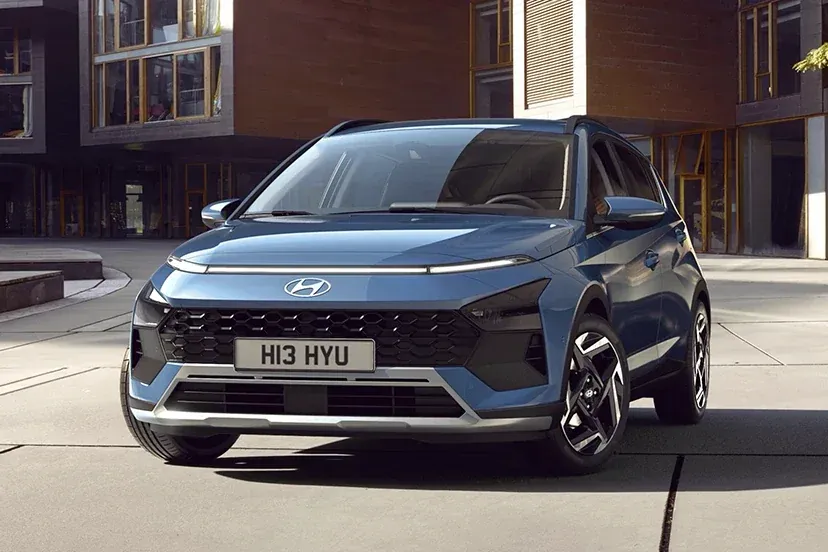
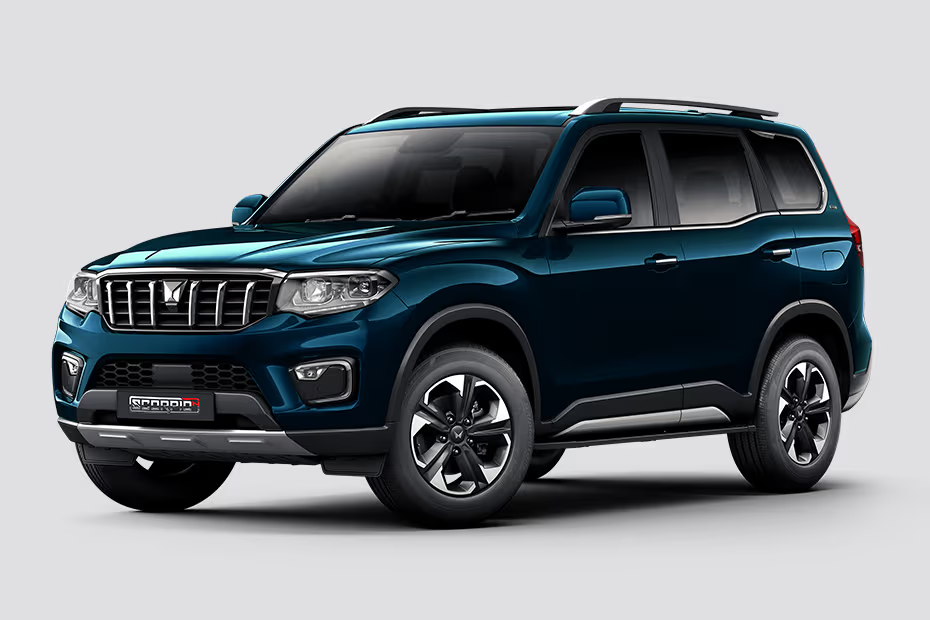
How does this stack up against the competition? Well, while brands like Hyundai, Tata, and Mahindra have also been competitive, they've generally seen price bumps across their portfolios. Maruti's decision puts immense pressure on rivals to rethink their own entry-level strategies. You can bet that people looking at, say, a Renault Kwid or a lower-spec Tata Punch will now be looking even harder at what Maruti is offering for the same or potentially lower money. It's a clear signal from Maruti: they're not ceding any ground in the affordable segment.
Specs At A Glance (Typical Entry-Level Maruti Models)
Feature | Details |
|---|---|
Engine Type | Petrol (K-Series Engines) |
Engine Capacity | Typically 1.0L or 1.2L |
Transmission Options | 5-Speed Manual, AMT (Automated Manual Transmission) |
Fuel Efficiency | Class-leading (Specific figures vary by model) |
Safety Features (Base) | Dual Airbags, ABS with EBD (as per mandate) |
Seating Capacity | 4 or 5 Adults (depending on model) |
How Does It Stack Up Against The Competition?
When you're shopping for an entry-level car, every rupee counts. Maruti Suzuki's commitment to unchanged entry prices gives them a significant edge. Let's compare it. A base model Tata Punch or a Hyundai Exter, while offering more SUV-like styling, often start at a higher price point than Maruti's true entry-level hatchbacks. Even a direct rival like the Renault Kwid, which is quite affordable, now faces a brand that's explicitly declared a price freeze on its most accessible models. This move solidifies Maruti's value proposition, making it incredibly hard to beat on pure cost of acquisition.
Plus, Maruti's widespread service network and excellent resale value are factors that always play heavily in their favour, especially for first-time buyers who are often concerned about long-term ownership costs. This price decision just sweetens the deal, making their offerings even more compelling against the likes of Mahindra's KUV100 NXT (though that's a different segment now) or even the lower variants of the Hyundai Grand i10 Nios.
The Good And The Not-So-Good
What We Like
- Unmatched Affordability: Keeps new car ownership accessible for a wider audience.
- Market Stability: Provides predictability for budget-conscious buyers amidst economic uncertainties.
- Stronger Value Proposition: Enhances Maruti's reputation as a value-for-money brand.
- Boost for First-Time Buyers: Direct benefit for those entering the car market for the first time.
- Competitive Edge: Puts rivals under pressure to match or offer more for less.
What Could Be Better
- Potential Margin Pressure: Maruti might be absorbing costs, potentially impacting their profitability in the short term.
- Limited Feature Upgrades: This strategy often means base models won't see significant feature additions, keeping them quite spartan.
- Innovation Slowdown: Less financial wiggle room might mean slower introduction of new technologies in the entry segment.
Price & When You Can Buy It
Here's the best part: the entry prices for Maruti Suzuki's budget-friendly cars remain unchanged from their previous levels. This means you can walk into a dealership today and expect the same attractive starting prices that were on offer before this announcement. There's no waiting period for a 'new' launch or 'updated' pricing; the benefit is immediate. These cars are readily available across their extensive dealer network, so you can head down and check out your preferred model whenever you're ready.
Our Verdict
Honestly, this is a masterstroke from Maruti Suzuki. In an environment where car prices are usually only going one way – up – their decision to hold the line on entry-level models is a huge win for the average Indian buyer. It reinforces their position as the 'people's carmaker' and ensures that the dream of owning a brand-new car remains within reach for millions. We feel this move will not only consolidate their market leadership but also bring a much-needed breath of fresh air to a segment that truly drives the Indian automobile industry. It’s a testament to understanding your core customer, and about time, Maruti, for such a consumer-centric decision!