What's The Big News?
Alright folks, here's the tea: Maruti Suzuki, India's undisputed king of the roads, is hiking prices. Yes, you read that right. Come August, almost every car rolling out of their dealerships will cost you a bit more. It's not a huge shocker, honestly, as we've seen this play out before, but it still stings a little when you're saving every rupee for your dream machine.
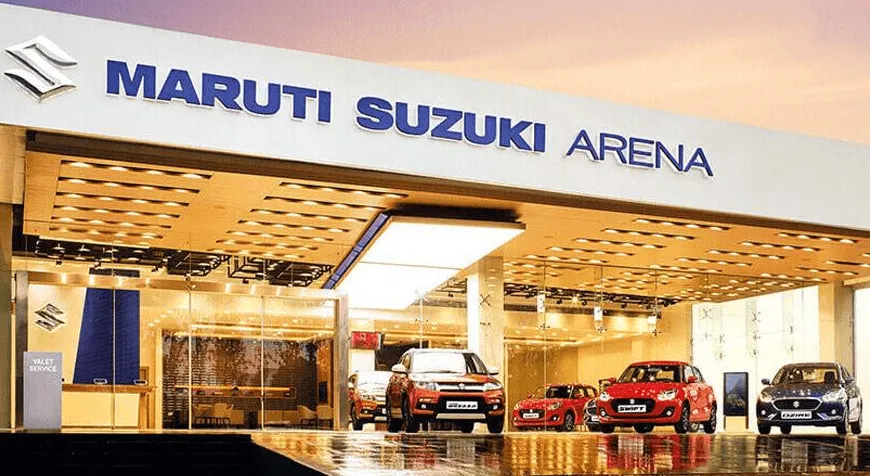
This isn't just a minor adjustment; it's a company-wide decision impacting their entire portfolio, from the entry-level Alto K10 to the Grand Vitara. While the exact quantum of the increase hasn't been officially revealed yet – a typical Maruti move, by the way – it’s a heads-up that if you’ve been on the fence about a new Maruti, your window to lock in current prices is rapidly closing. Think of it as the last call before the bill gets heftier.
Maruti's August Price Bump: Why Now?
So, what’s driving this decision? Typically, carmakers cite rising input costs. We're talking about everything from steel and aluminium to semiconductors and logistics. These aren't just buzzwords; they’re real expenses that impact the bottom line. With global supply chains still a bit wobbly and raw material costs fluctuating, manufacturers often pass on a portion of this burden to the customer. Maruti's no different, and they've been absorbing some of these costs for a while, but it seems they've reached their limit.
Another factor could be the increasing regulatory costs. Stricter emission norms, safety regulations, and the push for more advanced features often mean carmakers have to invest more in R&D and manufacturing. These costs eventually find their way into the retail price. Honestly, while it's never fun to pay more, it’s a reality of the market. They're trying to maintain profitability in a highly competitive segment, and sometimes, this is the only way.
Impact on Your Wallet and the Market
Let's talk brass tacks: what does this mean for you, the Indian buyer? If you're a first-time car owner looking at a Celerio or a WagonR, even a small percentage hike can translate into thousands of rupees, pushing your EMI up slightly. For someone eyeing a Brezza or an Ertiga, the jump could be more significant. This might force some buyers to reconsider their budget or even look at a lower variant, which isn't ideal after months of research.
In my opinion, this move also puts pressure on competitors. When the market leader raises prices, it often gives others the psychological green light to follow suit. We've seen this domino effect before. However, in segments where competition is cut-throat – think compact SUVs or premium hatchbacks – rivals might hold off to gain a slight edge. It's a delicate balance, and Maruti's move will definitely send ripples across the industry. Will Hyundai, Tata, or Mahindra follow? Only time will tell, but you can bet their boardrooms are buzzing right now.
Hike Details At A Glance
Detail | Information |
|---|---|
Effective Date | From August 2024 |
Affected Models | Expected across the entire Maruti Suzuki passenger vehicle range |
Average Price Increase | Specific percentage or amount not yet revealed; expected to vary by model. Official figures are awaited. |
Reason Cited | Rising input costs and increasing regulatory requirements |
How Does It Stack Up Against The Competition?
When Maruti hikes prices, it’s rarely in isolation. Other manufacturers face similar cost pressures. However, Maruti's sheer volume means their decisions have a larger market impact. Right now, Maruti’s cars still offer tremendous value for money, especially in the entry-level and mid-range segments. A slight price increase might narrow the gap with rivals like Hyundai's i10 Nios or Tata's Tiago, but it's unlikely to dethrone them in terms of affordability for the masses.
Where it could get interesting is in the higher segments, say with the Grand Vitara competing against the Hyundai Creta or Kia Seltos. If the hike is substantial there, it might push some fence-sitters towards the competition, especially those who prioritize premium features or specific engine options. However, Maruti's strong service network and resale value remain huge selling points, something rivals still struggle to match universally across India. This hike will test just how much brand loyalty can withstand rising prices.
The Good And The Not-So-Good
What We Like
- Transparency: At least they're giving us a heads-up, allowing potential buyers to make informed decisions before August.
- Maintaining Quality: Hopefully, these adjustments help Maruti maintain its stringent quality control and invest in future models.
- Market Indicator: It often signals broader market trends, helping buyers understand the economic pressures on the auto industry.
What Could Be Better
- The timing: Coming just before the festive season, it might dampen consumer sentiment for a bit.
- Lack of specific details: Not knowing the exact hike amount per model makes it difficult for buyers to plan effectively.
- Impact on budget buyers: Even a small hike can significantly affect those operating on a tight budget, potentially pushing them out of their preferred model range.
Price & When You Can Buy It
The price hike for Maruti Suzuki vehicles is confirmed to take effect from August 2024. This means you have a small window, effectively until the end of July, to book your chosen model at current prices. After that, the revised prices will be applicable.
As for the 'how much,' Maruti Suzuki has yet to officially disclose the exact percentage or specific rupee amount for each model. They've only stated that the increase will vary across their range. We expect the official figures to be announced closer to the implementation date, likely in late July. So, if you're serious about a purchase, visiting your nearest dealership now to lock in a booking at current rates might be your best bet.
Our Verdict
Look, price hikes are an inevitable part of the automotive industry. It's a tough pill to swallow, especially for buyers who've been planning their purchase for months, if not years. While Maruti has cited rising input costs, the exact quantum remains a mystery, which isn't ideal for consumer confidence. We've seen Maruti's resilience time and again, and their market share is unlikely to be significantly dented by this move in the long run.
Here's the thing — if you're planning to buy a Maruti Suzuki car, don't delay. Getting your booking in before August could save you a decent chunk of change. For everyone else, it’s a reminder that car ownership costs are always on the rise, and staying informed is your best defence. Let's hope the increase isn't too drastic and Maruti continues to deliver the value and reliability we've come to expect.