What's The Big News?
Alright, folks, listen up! Tata Motors' MD, Shailesh Chandra, just dropped a big statement: they're aiming for a solid 15% share in the passenger vehicle market, and that too, "very soon." Now, for those of us who track the auto scene, that's not just some corporate fluff; it's a serious declaration of intent from a brand that's been making waves.
Think about it. Just a few years ago, Tata was barely a contender in many segments, and now they're talking double-digit market share, challenging the big boys. It shows a confidence that’s been steadily building, fueled by a string of successful launches and a laser-sharp focus on what Indian buyers actually want. But can they really pull it off?
Tata's Ambition: Product Blitz, EV Push, and Safety First
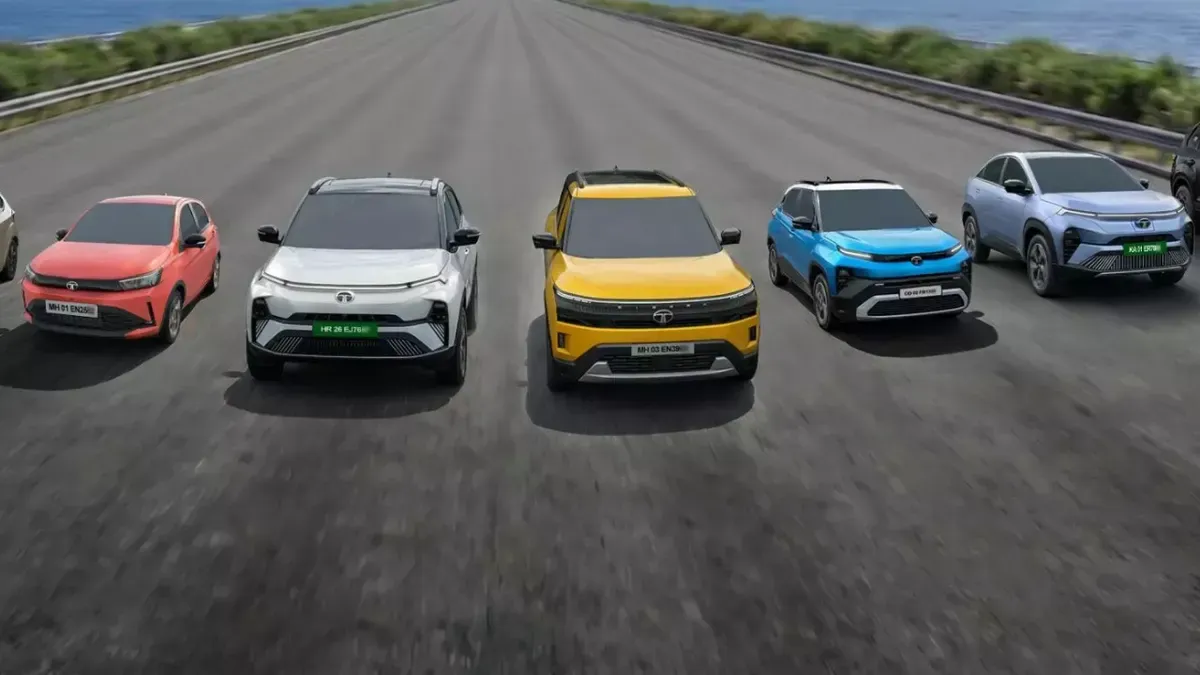
So, what's behind this newfound swagger? It's a multi-pronged approach, really. First up, the product portfolio. We've seen a complete overhaul, haven't we? From the Punch to the Nexon, Altroz, and Harrier/Safari, their current line-up looks sharp, feels modern, and crucially, comes packed with features.
Then there's the EV game. Honestly, Tata didn't just join the EV race; they practically built the track in India. The Nexon EV and tiago-ev">Tiago EV have resonated incredibly well, offering practical, affordable electric mobility. This EV leadership gives them a unique edge that no other mainstream player can currently match (yes, really). And of course, their commitment to safety, with multiple 5-star NCAP ratings, has genuinely changed the conversation around Indian cars. Buyers are now actively looking for safer options, and Tata is delivering.
The Roadblocks & How Tata Plans to Tackle Them
Hitting 15% isn't just about launching cool cars, though. The Indian market is brutal, dominated by giants like Maruti Suzuki and Hyundai. Tata's got to contend with their massive service networks and established brand loyalty. That's a tall order.
Here's the thing — to truly grow, Tata needs to iron out the inconsistencies in its after-sales service and expand its dealership footprint even further, especially in Tier 2 and Tier 3 cities. They're working on it, no doubt, but that last-mile customer experience is often where a brand makes or breaks it. Aggressive pricing and feature-rich variants have brought customers to showrooms, but keeping them loyal for the long run requires flawless execution beyond the sale. They've improved, but it's a continuous battle.
Key Pillars for 15% Market Share
Strategic Area | Details |
|---|---|
Target Market Share | 15% (Passenger Vehicles) |
Timeline | "Very Soon" (as per MD) |
Product Portfolio | Aggressive refresh & expansion, new segments |
EV Leadership | Continued focus on affordable & practical EVs |
Safety Standards | Maintaining high NCAP ratings across models |
Customer Experience | Service network expansion & quality improvement |
How Does It Stack Up Against The Competition?
Look, Maruti Suzuki still holds the lion's share, mostly thanks to its vast portfolio of affordable, fuel-efficient cars and an unmatched service network. Hyundai brings premium features, sharp designs, and a strong urban presence. Tata, on the other hand, has carved a niche with its focus on safety and electric vehicles, offering a compelling alternative.
Compared to Maruti, Tata cars often feel more robust and offer better safety ratings. Against Hyundai, Tata might sometimes lack that last bit of interior polish or high-tech wizardry in certain segments, but they often make up for it with sheer value, especially for the price of a mid-spec Swift, you're getting a lot more car in a Punch or Altroz. Mahindra is another strong contender, especially in the SUV space, where they're bringing some seriously capable and feature-packed vehicles to the table. It's a three-way fight now, and Tata is definitely in the ring.
The Good And The Not-So-Good
What We Like
- Unmatched Safety Focus: Their commitment to NCAP ratings is commendable and truly sets them apart.
- EV Pioneer: They've democratized EVs in India with practical and relatively affordable options.
- Bold Design Language: Modern, distinctive designs across their portfolio.
- Feature-Rich Offerings: Often pack more features than rivals at similar price points.
What Could Be Better
- Service Consistency: While improving, after-sales service quality can still be a hit or miss in certain regions.
- Interior Fit & Finish: Some models could use a bit more refinement to match international standards.
- Brand Perception: Still battling the "commercial vehicle maker" image in some buyer's minds, despite massive PV improvements.
Tata's Next Moves & What To Expect
So, what's next for Tata as they chase this 15%? Expect a relentless stream of product updates and new launches. We'll likely see more EV variants, possibly across different body styles, and continued refreshes for their petrol/diesel lineup to keep them competitive. Investment in manufacturing capacity and improving the supply chain will also be crucial.
Beyond products, they’ll definitely be doubling down on expanding and improving their sales and service touchpoints. Better customer training for staff, faster spare part availability, and more transparent service experiences will be key. It's not just about selling cars; it's about building a sustainable ecosystem that supports their growth. About time, Maruti, Hyundai, and Mahindra took this challenge seriously!
Our Verdict
Can Tata Motors hit 15% market share "very soon"? Honestly, it's an ambitious goal, but they've built a strong foundation. Their product strategy is spot on, the EV push is a game-changer, and their safety focus has won hearts. The biggest hurdles remain consistency in after-sales service and expanding their reach to match the omnipresence of Maruti. We feel they absolutely have the potential, provided they execute their plans flawlessly. It's going to be an exciting battle to watch, and ultimately, it's us, the Indian consumer, who will benefit from the increased competition and better products.