What's The Big News?
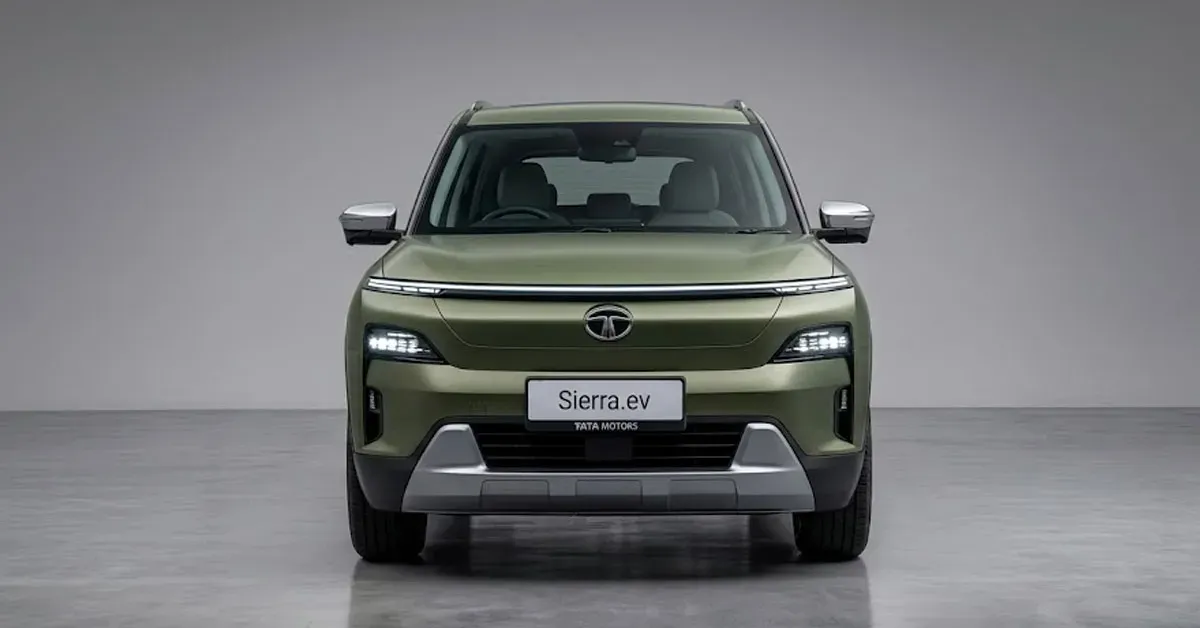
Remember the original Tata Sierra from the 90s? If you grew up in India back then, that three-door SUV with the massive curved rear glass wasn't just a car; it was a status symbol that made everyone stop and stare. Now, Tata is gearing up to bring that legendary nameplate back to life, but this time, it's ditching the noisy diesel engine for a clean, futuristic electric powertrain. We've just got our hands on the latest teasers for the 2026 Tata Sierra EV, and we can confidently say that this isn't just a nostalgic marketing gimmick.
Instead of just slapping an old name on a generic electric crossover, Tata seems to have preserved the soul of the original machine. The silhouette is instantly recognizable, yet it looks like something straight out of a premium sci-fi flick. We're looking at a flagship electric SUV that wants to bridge the gap between Tata's current EV lineup and luxury electric vehicles costing twice as much. It's bold, it's iconic, and it's bound to make a serious splash when it officially hits our roads.
The Iconic Glasshouse Returns: Design And Cabin Layout
Designing a modern version of a classic is a slippery slope. If you go too retro, it looks gimmicky, but if you go too modern, you lose the essence of what made the original special. Tata's design team seems to have hit the absolute sweet spot with this one. The teaser images and previous concept showcases confirm that the signature rear alpine glass roof is making a grand comeback (and honestly, it shows). This unique glasshouse design will make the cabin feel incredibly airy, giving passengers a lounge-like view of the sky.
Stepping inside will likely feel like entering a high-end lounge rather than a standard car cabin. Tata is planning a unique lounge-like seating layout for the top-end variants, featuring a spacious four-seater configuration with reclining rear seats. You can also expect a massive floating touchscreen infotainment system, a fully digital driver's display, and an illuminated touch-sensitive steering wheel, much like what we've seen on the newer Harrier and Safari. They're aiming for a premium vibe that'll make you question why anyone would spend luxury-car money on a basic German crossover when you can get this level of comfort.
Under The Hood: Platform, Battery, And Range Expectations
While Tata is keeping the exact technical specifications under wraps for now, we have a very good idea of what's happening beneath that stylish sheet metal. The Sierra EV is expected to be built on Tata's advanced Acti.ev architecture or their dedicated Gen 2 EV platform. This means it won't just be an internal combustion engine car converted to electric; it's engineered from the ground up to maximize cabin space, safety, and battery efficiency. This dedicated setup allows for a completely flat floor, which translates to massive legroom for rear passengers.
We expect Tata to pack a battery pack of around 60 kWh to 80 kWh into this SUV. This should easily translate to a real-world driving range of over 450 kilometers on a single charge. If you're someone who loves road trips, this range means you can easily drive from Mumbai to Goa or Delhi to Jaipur with just one quick charging stop. We also expect Tata to offer an All-Wheel Drive (AWD) dual-motor variant, giving the Sierra EV some genuine off-road capability to match its rugged, adventure-ready heritage.
Specs At A Glance
Parameter | Details (Expected / Estimated) |
|---|---|
Platform | Tata Acti.ev / Gen 2 Dedicated EV Platform |
Battery Capacity | 60 kWh - 80 kWh |
Real-World Range | 450 - 500 km on a single charge |
Drivetrain Options | Front-Wheel Drive (FWD) & All-Wheel Drive (AWD) |
Charging Time | 10% to 80% in under 45 minutes via DC Fast Charger |
Expected Launch | Late 2025 or Early 2026 |
How Does It Stack Up Against The Competition?
When the Sierra EV officially hits the showrooms, it won't have an easy run. It'll go head-to-head with the upcoming Hyundai Creta EV and the Maruti Suzuki eVX. Now, Maruti's upcoming EV is going to play the sensible, high-efficiency card, while the Creta EV will rely on Hyundai's bulletproof feature list and massive service network. Both of these rivals will likely offer competitive pricing that will appeal to the average buyer looking for a hassle-free daily commuter.
But here's where the Sierra EV has a massive edge: character and presence. Neither the Creta EV nor the Maruti eVX can boast the raw emotional appeal of the Sierra badge. It's a car designed for people who want to stand out, not blend into a sea of white office commuters. If Tata manages to deliver a real-world range that beats Maruti's offering while keeping the lounge-like cabin comfort intact, they'll have an absolute winner on their hands.
The Good And The Not-So-Good
What We Like
- The stunning retro-modern design that pays perfect homage to the original 90s legend.
- Lounge-style rear seating that promises unmatched comfort in this price segment.
- Expected AWD option, which is a rarity in budget-to-mid-range EVs.
- Massive glass roof that will make the cabin feel incredibly spacious and premium.
What Could Be Better
- The unique glass roof might turn the cabin into a greenhouse under the harsh Indian summer sun if not insulated well.
- Tata's infotainment software has a history of being buggy at launch; we hope they sort this out before release.
- It's a long wait, with the launch slated only for late 2025 or early 2026.
Price & When You Can Buy It
Tata hasn't dropped any official hints about the pricing yet, but we can do some smart math here. Given its premium positioning above the curvv-ev">Curvv EV and alongside the Harrier EV, we expect the Sierra EV to be priced in the ₹25 lakh to ₹32 lakh range (ex-showroom). This puts it squarely in the premium mid-size SUV segment, making it a viable alternative to higher-spec diesel SUVs.
As for the launch timeline, the official teaser points toward a late 2025 or early 2026 debut. It's a bit of a wait, but for a car that looks this good and carries so much history, we think it's worth keeping your checkbooks ready and waiting for the final product.
Our Verdict
Look, the Indian EV market is getting crowded with sensible, boring electric boxes that look like refrigerators on wheels. The Sierra EV is a breath of fresh air because it brings soul back into the equation. It's not just about saving money on running costs anymore; it's about owning a piece of Indian motoring history reborn for the modern age.
Here's the thing — if Tata can iron out their usual initial software niggles and price this sensibly, they won't just sell another EV; they'll create a cult classic all over again. We can't wait to get behind the wheel of this one!