What's The Big News?
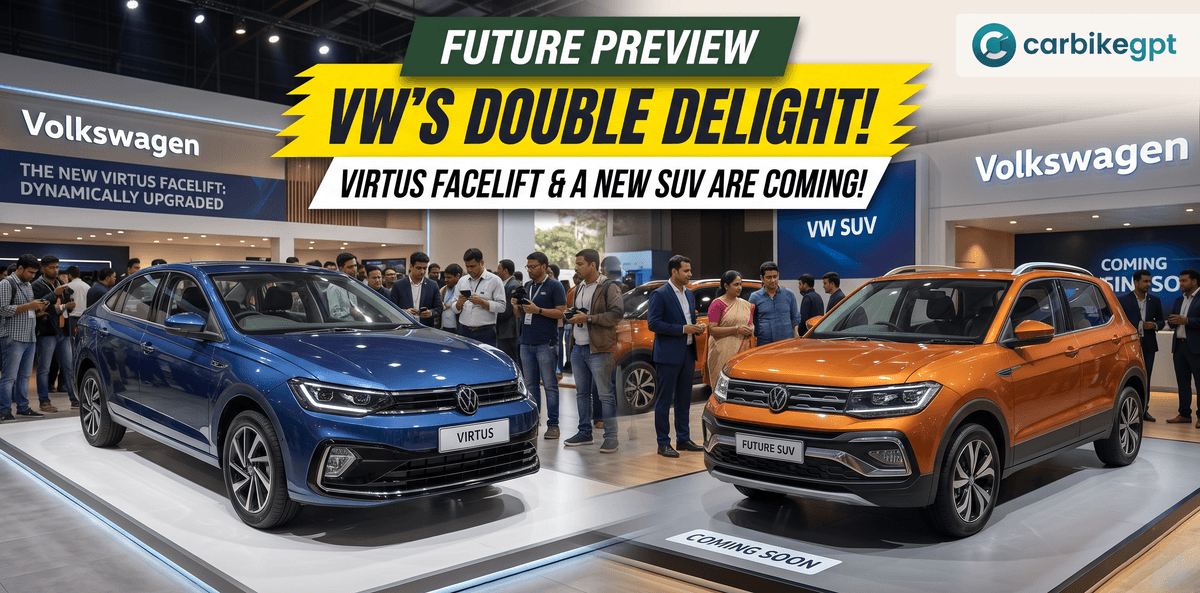
Alright folks, grab your chai because Volkswagen just dropped a bombshell, and it’s not just a small tremor, it’s a proper earthquake! After what felt like ages of playing it safe, VW India is finally flexing its muscles, promising two significant new vehicles for us Indian enthusiasts. We’re talking about a much-anticipated facelift for their popular Virtus sedan and, even more excitingly, an all-new SUV joining their lineup.
This isn't just another small tweak; these launches signal a renewed commitment from the German giant to the Indian market. VW knows its loyal fan base here values solid build quality and great driving dynamics. Now, with these new additions, they're looking to grab a bigger piece of the pie, especially in those fiercely competitive segments. Is this the move we’ve been waiting for to see VW truly challenge the big players? We certainly hope so.
Virtus Gets a Fresh Look: What's Changing?
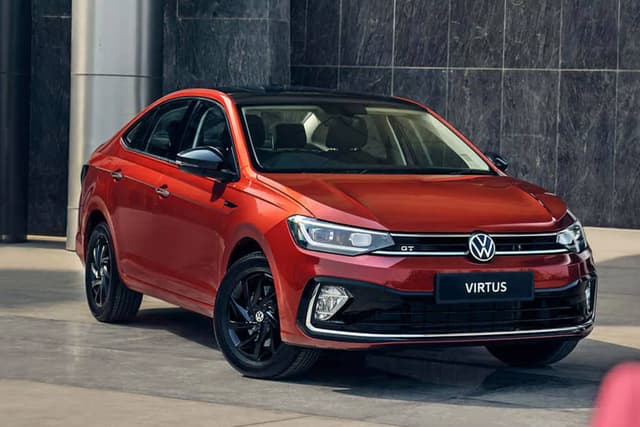
The Virtus, for those who love a good driver’s car, has always been a gem in its segment. It’s got that understated style, a robust chassis, and those punchy TSI engines that make every drive a joy. But let's be honest, in the fast-paced Indian market, even the best need a refresh to stay relevant. So, what can we expect from the Virtus facelift?
Visually, don't anticipate a complete overhaul. VW usually goes for subtle, sophisticated changes. Picture a tweaked front grille, maybe some updated LED DRL signatures, and redesigned bumpers that give it a slightly more aggressive or premium stance. Around the back, expect minor revisions to the taillight graphics and possibly a re-sculpted diffuser. Inside is where we're really hoping for some substantial upgrades. While the current Virtus dashboard is functional, a lot of rivals now offer more bells and whistles. We’re definitely hoping for an improved infotainment system, perhaps some better quality plastics in certain areas, and dare I say it, maybe even ventilated seats across more variants? (about time, VW!) ADAS features, even if it’s a Level 1 suite, would also be a massive boost, bringing it in line with competitors like the Verna and Slavia.
The Mystery SUV: What's VW Brewing?
Now, this is the one that’s got everyone at CarBikeGPT buzzing. An all-new SUV! VW already has the Taigun and the Tiguan, so where does this new one fit in? The smart money is on it being built on the highly successful MQB A0 IN platform, which means it’ll likely share its strong foundations and superb driving characteristics with the Virtus and Taigun. Will it be a compact SUV to rival the likes of the Tata Punch and Hyundai Exter, or will it be a distinctive coupe-SUV version of the Taigun, perhaps targeting a niche but growing segment? Official details are still under wraps, but the possibilities are exciting.
We expect it to come with the same proven 1.0L and 1.5L TSI engines – reliable, powerful, and fun to drive. VW’s strength lies in its engineering, and we’re confident this new SUV will uphold that reputation. Feature-wise, it’ll need to be competitive right out of the gate. Think large touchscreens, digital instrument clusters, connected car tech, and robust safety features to meet the expectations of today’s demanding Indian buyers. Honestly, this new SUV is where VW could really surprise us with its positioning and value proposition.
Specs At A Glance
Feature | Virtus Facelift (Expected) | New VW SUV (Expected) |
|---|---|---|
Engine Options | 1.0L TSI Petrol, 1.5L TSI EVO Petrol | 1.0L TSI Petrol, 1.5L TSI EVO Petrol |
Transmission | 6-speed Manual, 6-speed Automatic (TC), 7-speed DSG | 6-speed Manual, 6-speed Automatic (TC), 7-speed DSG |
Platform | MQB A0 IN | MQB A0 IN |
Dimensions | Expected largely similar to current model | TBA (likely compact or mid-size SUV) |
Key Features | Improved infotainment, possible ADAS, minor cosmetic changes | TBA (expect segment-standard features, strong safety) |
Power Output | TBA (expected similar to current models) | TBA (expected similar to current 1.0/1.5 TSI engines) |
Torque Output | TBA (expected similar to current models) | TBA (expected similar to current 1.0/1.5 TSI engines) |
Advertisement
How Does It Stack Up Against The Competition?
The Virtus facelift will continue its battle with strong contenders like the Skoda Slavia, Hyundai Verna, and Honda City. Where the Virtus already excels is its solid build, superior driving dynamics, and the sheer joy of its TSI engines. The facelift needs to bridge the gap in terms of cabin modernity and feature list to truly pull ahead. Things like a better-integrated touchscreen, more plush interior materials, and advanced safety tech could give it the edge it needs over its rivals.
As for the new SUV, its competition will entirely depend on its final segment. If it’s a compact SUV, it’ll go head-to-head with the likes of the Tata Punch, Hyundai Exter, and Citroen C3 Aircross. If it dares to take on the mid-size segment with a unique body style, it'll need to outshine the Maruti Grand Vitara, Hyundai Creta, and its own sibling, the Taigun. VW's brand cachet and perceived safety will be big advantages, but pricing and a compelling feature set will be crucial to carving out its own space against these established players.
The Good And The Not-So-Good
What We Like
- Driving Dynamics: VW cars are always a joy to drive, and we expect these new models to be no different.
- Build Quality: That solid, German-engineered feel is something many Indian buyers truly appreciate.
- TSI Engines: Punchy, refined, and efficient, these engines are a highlight.
- Safety Focus: VW typically doesn't compromise on structural integrity and safety features.
- Freshness: New launches always bring excitement and renewed interest in the brand.
What Could Be Better
- Interior Perceived Quality: While solid, some plastics could feel a bit more premium to match rivals.
- Feature Parity: Needs to keep up with the segment leaders in terms of creature comforts and tech.
- Service Network: Expanding reach and improving after-sales experience is always key for VW in India.
- Initial Pricing Strategy: VW has a history of premium pricing; they need to be aggressive with these new models.
Price & When You Can Buy It
For the Virtus facelift, we expect pricing to be marginally higher than the current model, likely starting from around ₹11.5 lakh and going up to ₹19 lakh (ex-showroom) for the top-spec variants. We’re anticipating its launch to happen sometime in the latter half of this year, perhaps just before the festive season to capitalize on the buying sentiment.
As for the new SUV, pricing will be the biggest determinant of its success. Given the competitive landscape, it needs to be positioned smartly. We'd expect it to potentially start in the ₹8-10 lakh range if it’s a compact SUV, or a bit higher if it’s a mid-size offering, with top models reaching up to ₹16-17 lakh. Its launch timeline is a bit less clear, but we’re hearing whispers of a late 2024 or early 2025 debut. Official figures and launch dates, of course, will be announced closer to their respective unveilings.
Our Verdict
Look, Volkswagen has a fantastic legacy in India, built on solid engineering and a keen eye for driving pleasure. These two upcoming models – the Virtus facelift and the brand-new SUV – are critical for their journey ahead. The Virtus refresh will ensure it stays competitive in the sedan segment, bringing in much-needed modern touches without sacrificing its core strengths. The new SUV, however, is the real game-changer here. It allows VW to tap into a booming market segment where they currently have limited presence.
Here's the thing — if VW plays its cards right with pricing and features, especially for that new SUV, they could really shake up the market. Indian buyers are smart; they appreciate quality and value. If VW delivers on both, these two vehicles could very well be the shot in the arm the brand needs to reclaim its position as a serious contender in our highly competitive automotive landscape.