What's The Big News?
Maruti Suzuki, the undisputed king of Indian roads, just dropped its Q2 performance numbers. On the face of it, it's a massive win: record-breaking sales volumes. Imagine the sheer number of cars rolling out of showrooms – impressive, right?
But hold on a second. Digging a bit deeper into the financials, there's a catch. Despite selling more cars than ever, the profit margin on each sale is actually going down. It's a classic paradox, and it leaves us wondering: what exactly is happening behind the scenes at India's largest carmaker?
Why Are Maruti's Margins Under Pressure?
This isn't just some dry financial jargon; it directly impacts what you, the customer, get for your hard-earned money. When a company's margins shrink, it usually points to a few key things. Firstly, input costs – the raw materials like steel, aluminum, and components – they've been on a rollercoaster ride globally. Manufacturers are paying more to build each car.
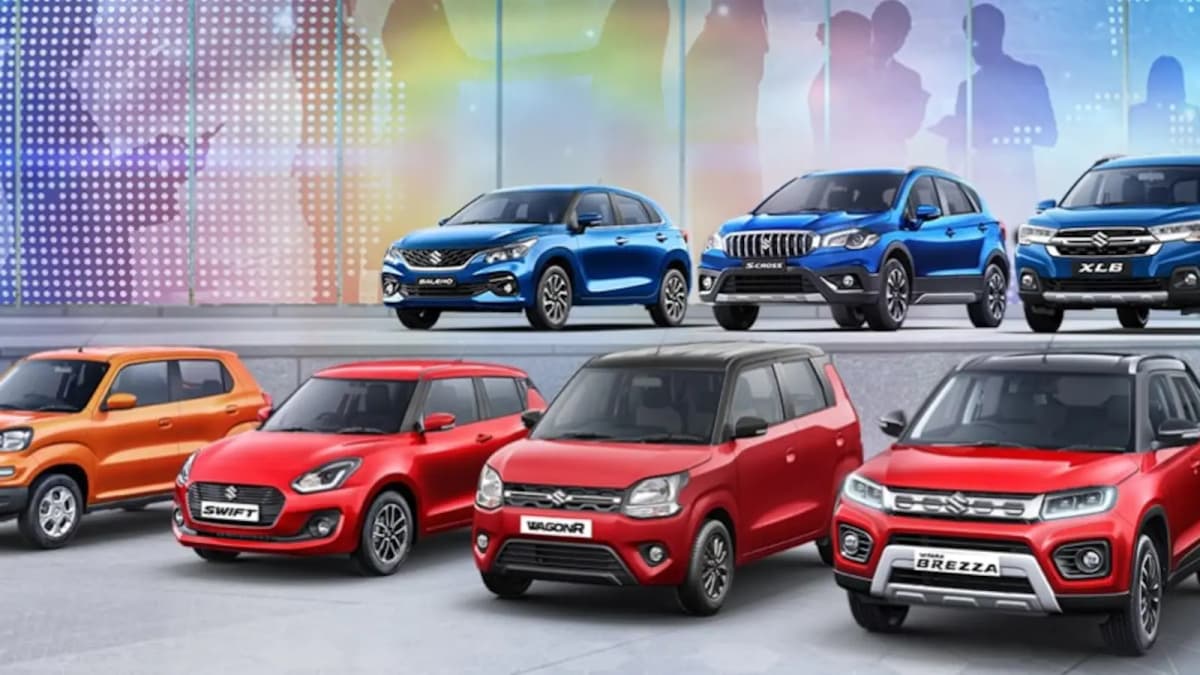
Secondly, competition in the Indian market is brutal. Every other week, there's a new SUV or hatchback trying to grab your attention. To stay ahead, Maruti might be absorbing some of these increased costs or offering more aggressive discounts to push volumes, especially on their bread-and-butter models. Think about the kind of deals you see on a Swift or a WagonR around festive seasons. Those eat into profits.
And let's not forget the product mix. If Maruti is selling a higher proportion of its more affordable, lower-margin models compared to its premium offerings, that also affects the overall average profit per car. It's a delicate balancing act, trying to sell maximum units while keeping the bottom line healthy. It's a tough market out there, even for a giant like Maruti.
Record Volumes: What's Driving Maruti's Sales Juggernaut?
So, if profits are squeezed, how are they selling so many cars? Simple: Maruti knows the pulse of the Indian buyer better than anyone. Their widespread service network, reliability, and excellent resale value are unmatched. People trust a Maruti, and that trust converts into sales, especially in the entry-level and mid-range segments.
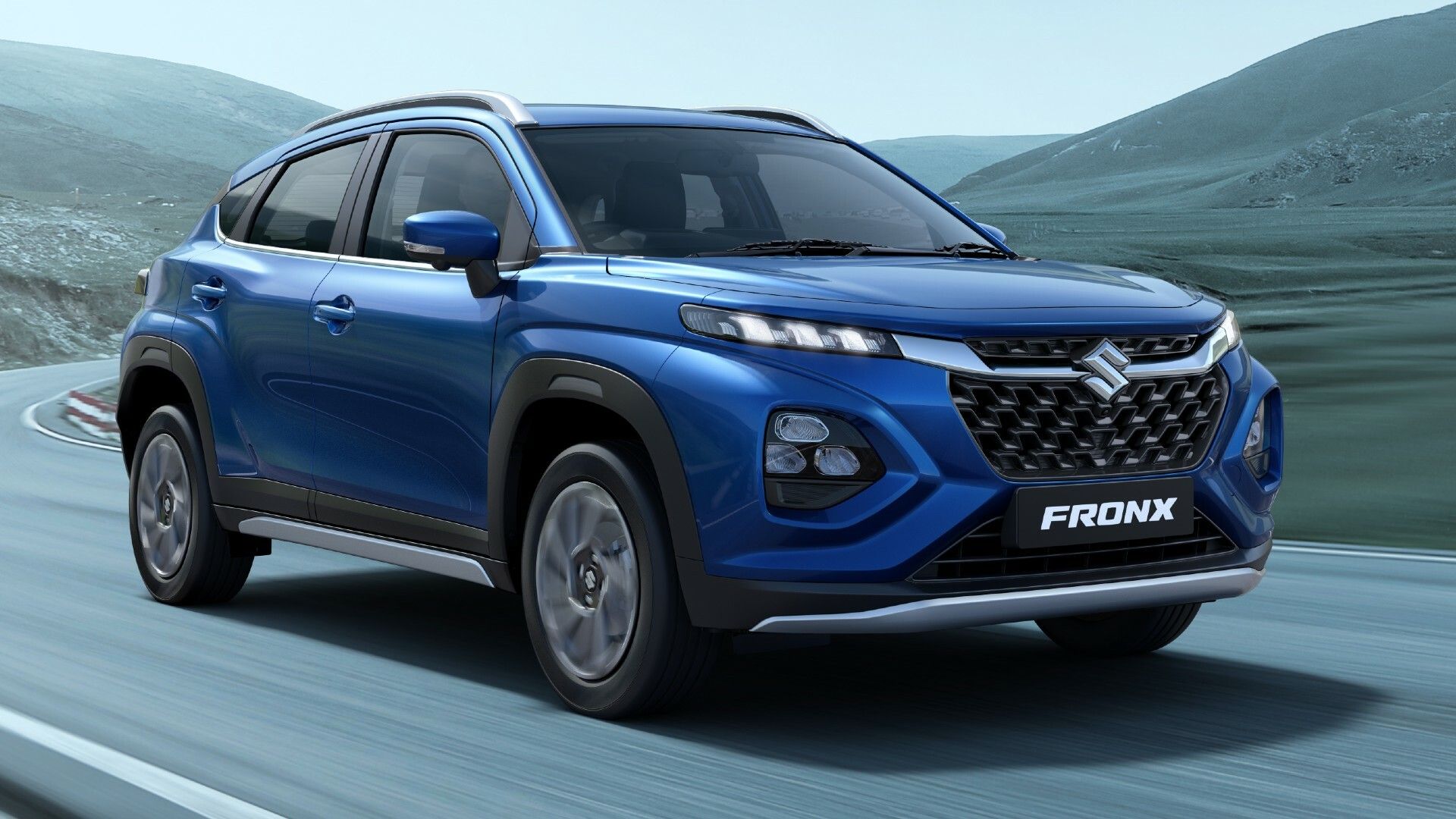
Models like the WagonR, Swift, Baleno, and Ertiga continue to be top sellers, consistently featuring in the monthly top 10 charts. These are cars that fit the budget, offer decent mileage, and are easy to maintain – exactly what most Indian families prioritize. Plus, they've been aggressively pushing their Nexa lineup and new SUVs like the Grand Vitara and Fronx, which are also doing well, albeit at a different price point.
The sheer volume indicates a strong underlying demand for personal mobility, and Maruti is perfectly positioned to capitalize on it. They've got the distribution, the brand recognition, and a portfolio that caters to almost every budget. The problem isn't selling cars; it's making enough money from each one.
Specs At A Glance
Since this isn't about a specific new car, we're looking at Maruti's overall Q2 performance indicators.
Metric | Q2 Performance (Expected) | Implication for Buyers |
|---|---|---|
Sales Volumes | Record Highs (Official figures awaited) | High availability, strong market presence. |
Profit Margins | Shrinking (Official figures awaited) | Potential for future price adjustments or cost-cutting measures. |
Input Costs | Likely Increased | Pressure on manufacturing costs. |
Market Share | Strong & Consistent (Details awaited) | Continues to dominate key segments. |
How Does It Stack Up Against The Competition?
It's not just Maruti feeling the pinch. Most automakers are grappling with rising input costs, supply chain issues, and fierce competition. Hyundai, Tata Motors, and Mahindra are all in the game, fighting for every single customer. While Maruti's volumes are unparalleled, rivals like Tata are making significant strides in segments like EVs and SUVs, often with better perceived feature sets or safety ratings.
For instance, Tata's Nexon and Punch are giving Maruti's Brezza and Swift a run for their money in certain aspects. These competitors are often quicker to introduce new features or offer a more "premium" experience for similar money. This forces Maruti to react, either by adding more features (which costs money) or by maintaining aggressive pricing (which impacts margins). So, Maruti isn't just competing with itself; it's a battle royale out there, (and honestly, it shows).
The Good And The Not-So-Good
What We Like
- Unmatched Sales Volume: Proves Maruti's deep connection with the Indian market and its understanding of buyer needs.
- Reliability & Network: The widespread service network and reputation for reliability remain huge selling points. You can find a Maruti service centre practically everywhere, which is a big deal for peace of mind.
- Focus on Affordability: Continues to offer options for every budget, keeping personal mobility accessible to many.
- Strong Resale Value: A Maruti almost always fetches good money in the used car market, a big plus for owners.
What Could Be Better
- Shrinking Profit Margins: This is a concern. If it continues, it could impact future product development, feature additions, or even lead to price hikes down the line.
- Feature Set: While improving, some rivals still offer more advanced or premium features for the price in certain segments. Maruti often plays catch-up here.
- Safety Perception: Despite improvements, some buyers still perceive rivals as offering better build quality or safety ratings in certain segments, even if the gap is closing.
- Less Room for Innovation? With margin pressure, there's a risk that groundbreaking innovation might take a back seat to cost optimization.
Price & When You Can Buy It
This news isn't about a new car launch, so there's no specific "price and when you can buy it" in the traditional sense. Instead, it's about the bigger picture. When a company's profit margins are under pressure, it often means one of two things for consumers: either prices will subtly creep up over time, or the company might look for ways to optimize costs in their vehicles.
We've seen Maruti revise prices periodically, and this Q2 data suggests that trend might continue. Also, it might influence how quickly new models are launched or how many new features are packed into existing ones. Don't expect huge discounts to suddenly vanish, but don't expect prices to stay flat indefinitely either. It's a dynamic market, and Maruti has to adapt to stay profitable.
Our Verdict
Here's the thing — Maruti Suzuki is in a classic tough spot. They're selling cars like hotcakes, which is fantastic for market share and brand visibility. It proves that their strategy of offering reliable, affordable, and fuel-efficient vehicles resonates deeply with Indian families. But the declining profit margins are a flashing yellow light. It indicates the intense cost pressures and competitive landscape they're navigating.
Honestly, for us buyers, this paradox means we might see Maruti walking a tightrope. They need to continue delivering value without compromising too much on quality or features, all while keeping their books balanced. It's a challenge, but if anyone can find a way to make it work in India, it's Maruti. We'll be keeping a close eye on their next moves because what happens at Maruti affects the entire Indian automobile market.