What's The Big News?
Here's some big news that's going to reshape the Indian automotive landscape: Hyundai has officially laid out its vision for 2030, and it's heavily tilted towards SUVs. We're talking about a staggering statistic here – by the end of this decade, Hyundai expects a full 80% of its sales in India to come from its SUV portfolio. That's eight out of ten cars, folks!
Look, if you've been following the market, you'd know SUVs are booming, but for a brand like Hyundai to put such a definitive stake in the ground, it's a huge declaration. This isn't just a projection; it's a strategic roadmap that tells us exactly what kind of cars Hyundai will be focusing on, and what that means for you, the Indian car buyer.
The SUV Wave: Why Hyundai's All In
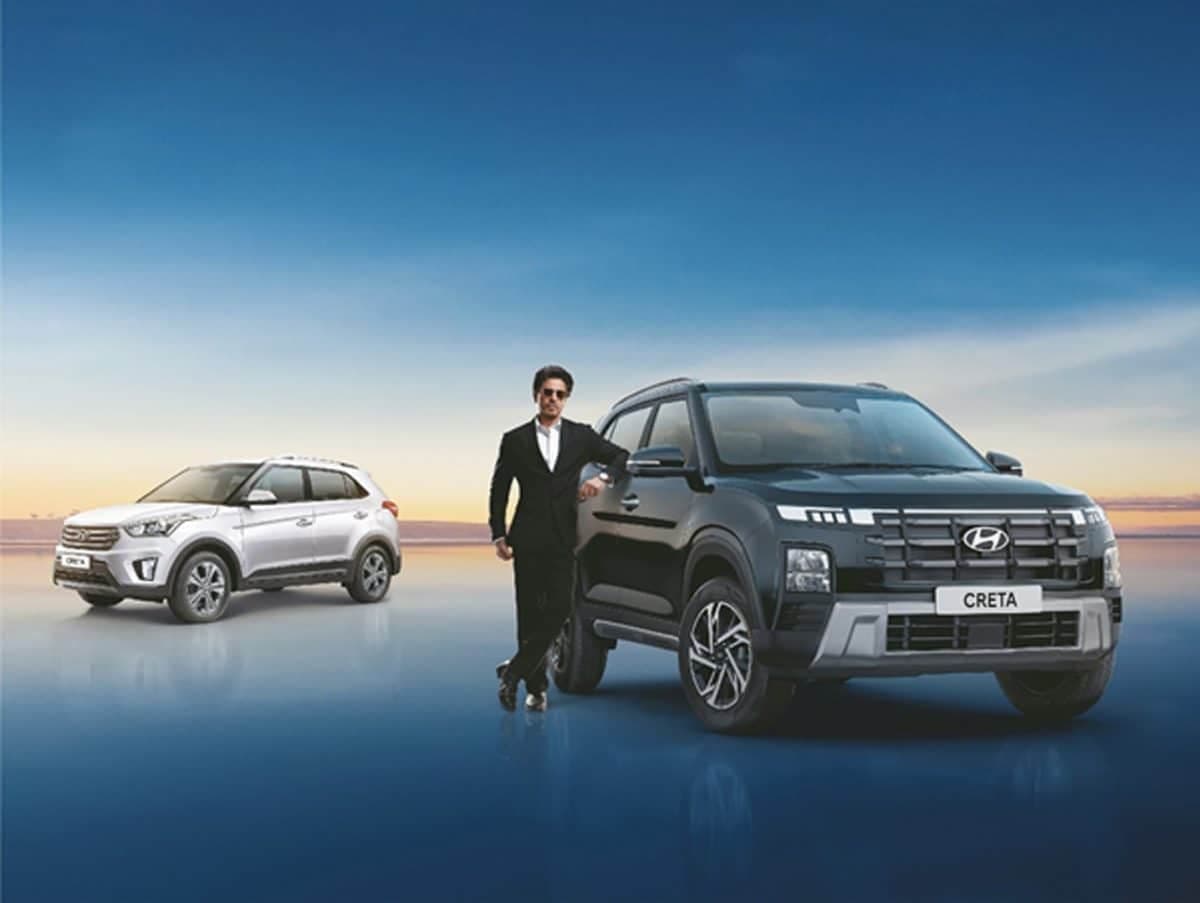
So, why this sudden, aggressive push into SUVs? It's simple, really: the Indian buyer just can't get enough of them. From the dusty village roads to the concrete jungle of our metros, an SUV offers that extra ground clearance, that commanding driving position, and often, that perceived sense of safety and status. Hyundai's seen the numbers, and they're responding to a clear market demand. Their current line-up, with the likes of the Venue, Creta, and the recently launched Exter, is already doing stellar numbers, but this new target means they're not just participating; they want to dominate.
It's not just about what's coming, but what's already here. Hyundai's current SUV portfolio is quite diverse, catering to various segments. They've got everything from micro-SUVs to premium electric options. This strategy isn't just about launching more models; it's about refining their offerings, possibly introducing more body styles within the SUV umbrella – think coupe-SUVs, more rugged off-roaders, or even smaller, urban-focused electric SUVs. They're aiming to catch every buyer looking for that high-riding experience, whether they're upgrading from a hatchback or looking for a second family car.
What About Our Beloved Sedans and Hatchbacks?
But what about the cars that built Hyundai's legacy in India? The Santro, the i10, the i20, and the Verna have all been staples for years. With such a strong SUV focus, the big question on everyone's mind is: will sedans and hatchbacks slowly fade away from Hyundai's stable? While Hyundai hasn't explicitly stated that they'll stop production of these segments, an 80% SUV target suggests a significant downscaling or at least a shift in focus for their non-SUV models. You might see fewer new launches or updates in these categories, as resources will undoubtedly be diverted to their SUV development.
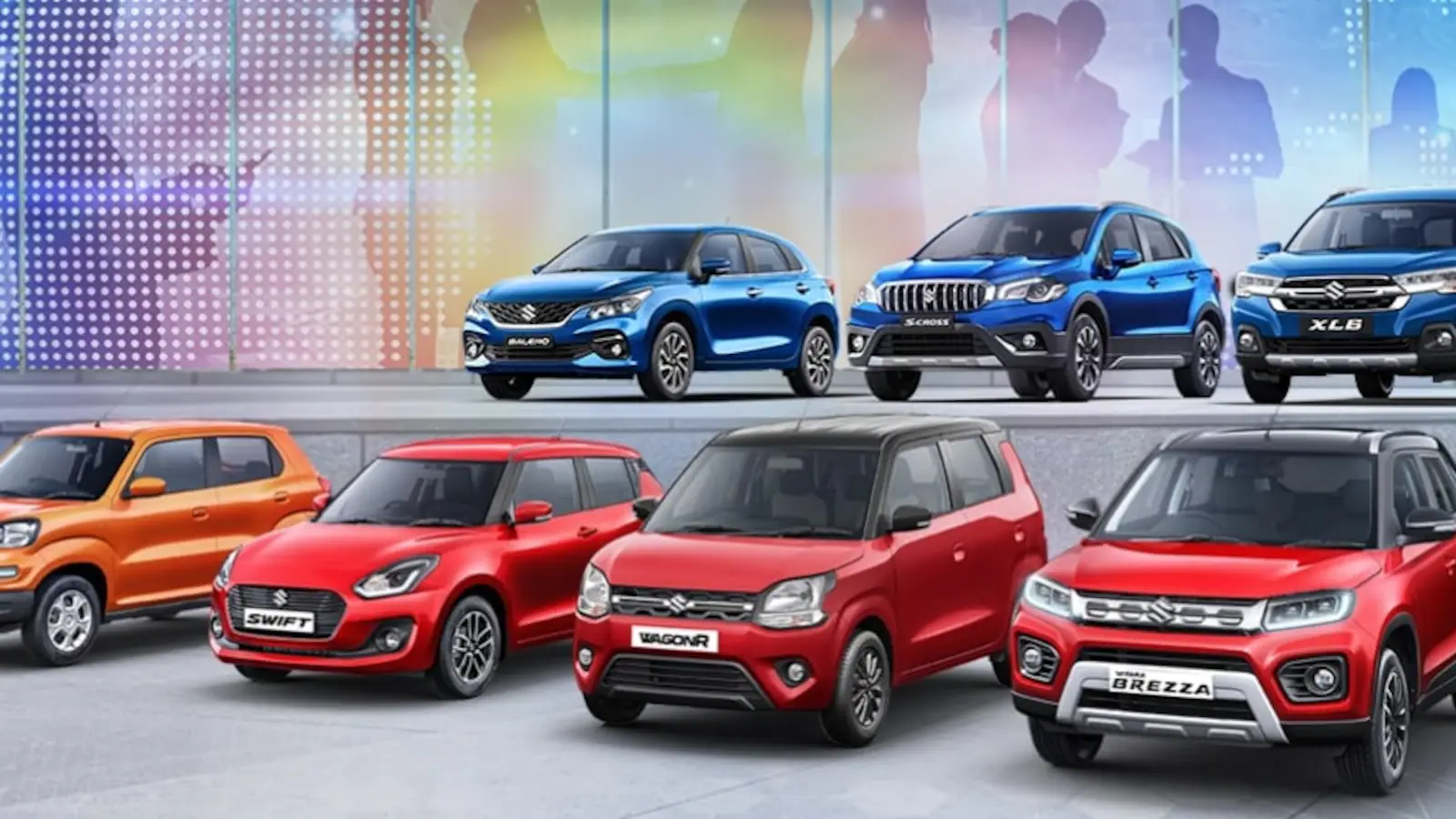
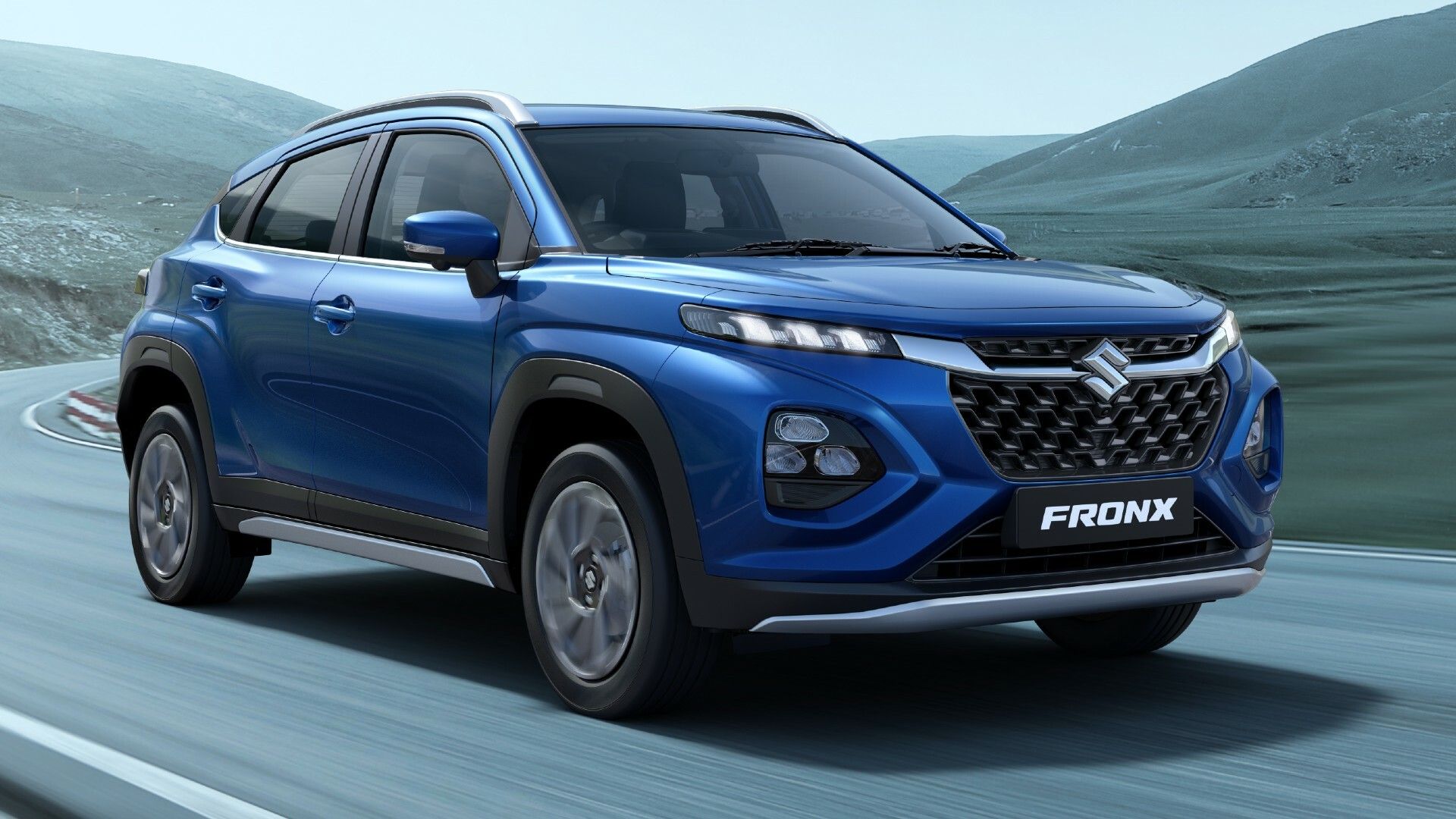
Here's the thing — this isn't unique to Hyundai. We've seen other manufacturers like Ford exit the sedan segment globally, and even Maruti is pushing hard with its SUV line-up. It's a pragmatic business decision, albeit one that might disappoint purists or those who prefer the driving dynamics of a traditional sedan or the compact convenience of a hatchback. For a company that once had the Santro as its backbone, this really is a monumental shift. (And honestly, it shows where consumer preferences truly lie in modern India).
Specs At A Glance
This isn't about one new car, but a long-term strategy. However, to give you an idea of Hyundai's current SUV strengths, here's a quick look at their existing diverse portfolio and what makes them tick:
Model Segment | Key Strengths | Engine Types Offered |
|---|---|---|
Micro-SUV (Exter) | Feature-rich, compact, value for money | 1.2L Petrol (NA, CNG) |
Compact SUV (Venue) | Connected tech, urban friendly, strong performance | 1.0L Turbo Petrol, 1.2L Petrol, 1.5L Diesel |
Mid-size SUV (Creta) | Market leader, premium interiors, comfort, strong engine options | 1.5L Petrol, 1.5L Turbo Petrol, 1.5L Diesel |
3-Row SUV (Alcazar) | Space, premium features, comfortable family hauler | 1.5L Turbo Petrol, 1.5L Diesel |
Premium EV SUV (Kona EV, Ioniq 5) | Electric performance, futuristic design, advanced tech | Electric powertrain (various ranges) |
How Does It Stack Up Against The Competition?
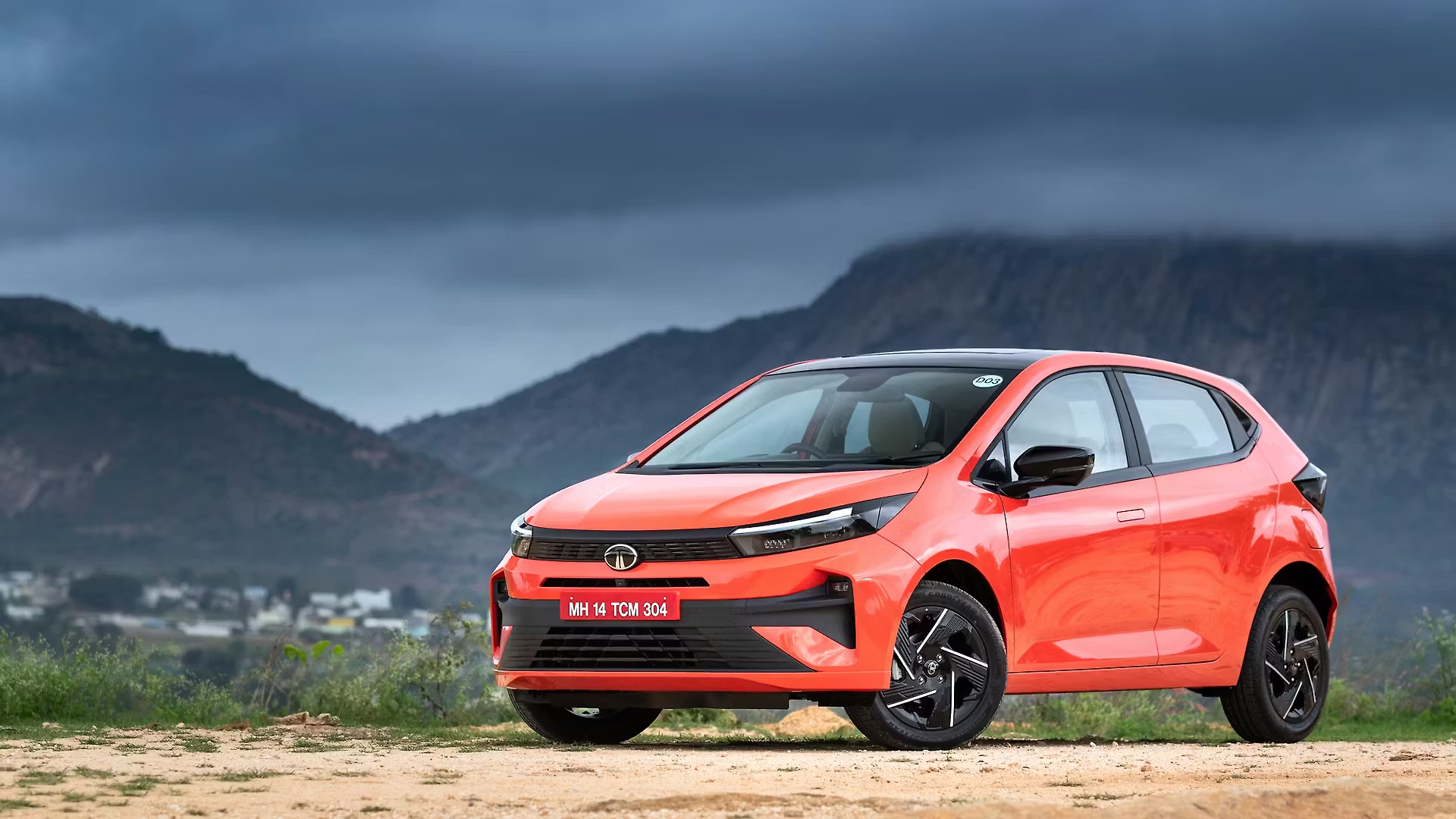
Hyundai isn't entering an empty playground; the SUV segment in India is already a bloody battleground. Maruti Suzuki, Tata Motors, and Mahindra are all formidable players. Maruti's Brezza and Grand Vitara are volume pullers, while Tata's Nexon and Punch dominate the sub-compact SUV space. Mahindra, of course, has its XUV700 and the iconic Thar, which command a different kind of respect. Even Kia, Hyundai's sibling, has strong contenders in the Seltos and Sonet.
So, how does Hyundai plan to win? Their strategy usually revolves around a few key pillars: feature-packed cabins, premium fit and finish, a wide and reliable service network, and generally fresh, modern designs. They'll need to double down on these strengths, perhaps offering segment-first features or even more aggressive pricing strategies in certain niches to truly differentiate themselves. The competition isn't going to make it easy, but Hyundai's track record suggests they're up for the challenge.
The Good And The Not-So-Good
What We Like
- More Choices: You'll get an even wider array of SUV options from Hyundai, catering to almost every budget and need.
- Innovation Focus: Expect more design innovation, advanced tech, and likely a stronger push into electric SUVs.
- Market Alignment: Hyundai is listening to what Indian buyers truly want, ensuring their products remain relevant and desirable.
- Hyundai's Strengths: Their SUVs are generally well-built, feature-loaded, and backed by a strong service network.
What Could Be Better
- Less Diversity: A heavy SUV focus might mean fewer new options or updates for sedan and hatchback enthusiasts.
- Increased Competition: The SUV segment is already crowded, so standing out will become even tougher, potentially leading to less aggressive pricing in some areas.
- Homogenization: If every manufacturer is focusing on SUVs, the market could become a bit monotonous with similar offerings.
Price & When You Can Buy It
This announcement isn't tied to a specific product launch, so there are no immediate pricing or availability details. Instead, this is a long-term strategic vision. You can expect new SUV models and variants to be rolled out progressively over the next few years, leading up to the 2030 target.
Pricing for future Hyundai SUVs will, as always, be competitive within their respective segments. Expect a range from the highly accessible, feature-rich micro-SUVs (like the Exter's spiritual successors) to more premium, technologically advanced offerings, including a robust line-up of electric SUVs. The key will be maintaining that Hyundai value proposition even as the market segment gets more crowded.
Our Verdict
Hyundai's announcement to have 80% of its sales come from SUVs by 2030 isn't just a bold prediction; it's a confident declaration of intent. It shows that they're keenly attuned to the pulse of the Indian market and aren't afraid to make big strategic bets. For you, the Indian car buyer, this means a future filled with even more high-riding, feature-packed, and stylish Hyundai SUVs.
Yes, we might see fewer traditional sedans and hatchbacks, which is a bit sad for some of us, but the market has spoken, and Hyundai is responding decisively. Honestly, this isn't just a prediction; it's a roadmap for Hyundai's dominance in a market that just can't get enough of SUVs. It's going to be an exciting decade watching this play out.