What's The Big News?
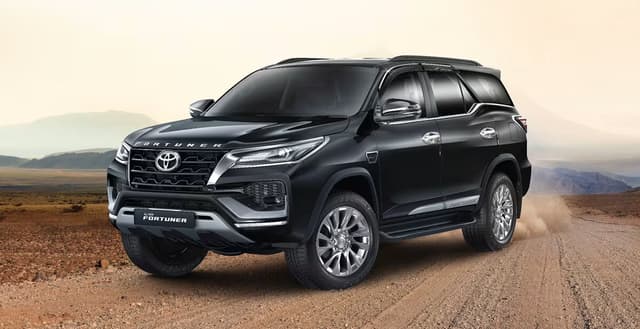
Walk down any upscale street in Delhi, Hyderabad, or Chandigarh, and you will spot at least two Toyota Fortuners parked like they own the tarmac. Love it or hate it, this ladder-frame titan is an undisputed kingpin in India's full-size SUV market. But let's face facts: the current generation has been holding fort since late 2016, and while minor facelifts and power bumps have kept the showroom cash registers ringing, the platform is clearly showing its grey hairs.
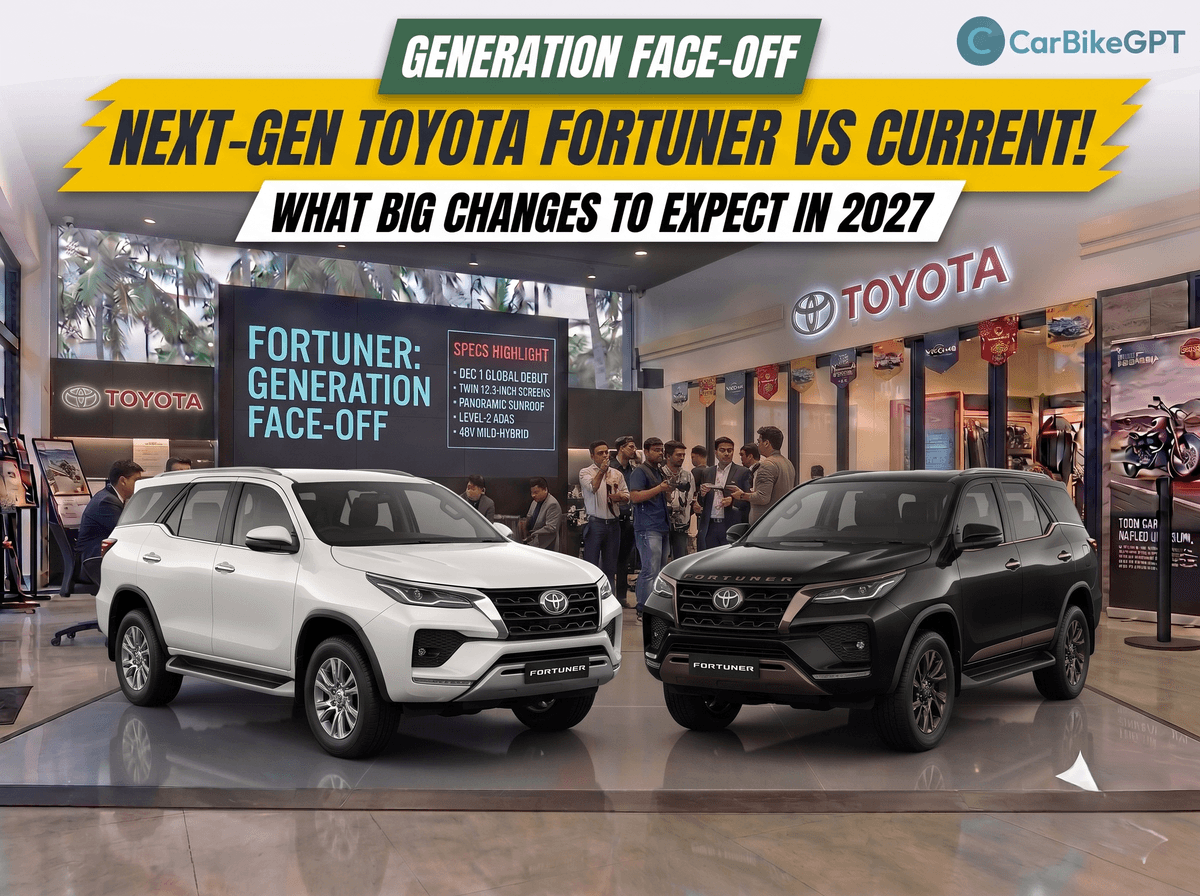
Whispers from global automotive circles suggest that Toyota is actively readying the next-generation Fortuner. It won't merely be another cosmetic brush-up with reshaped LED running lights or fresh seat upholstery. We are looking at fundamental shifts under the skin, spanning modern electrical architectures, cleaner electrified powertrains, and an interior that finally justifies writing a cheque north of fifty big ones.
Under The Hood: Mild-Hybrid Tech And Platform Shifts
Current Fortuner buyers usually flock to the bulletproof 2.8-litre diesel engine. It punches out healthy torque and pulls like a freight train, but city mileage is brutal, and strict emission norms are tightening the noose around pure oil-burners. For the upcoming model, industry expectations strongly point towards Toyota's tried-and-tested 48V mild-hybrid setup integrated into that familiar diesel block (yes, really). This system uses a compact motor-generator to smoothen stop-start cycles, offer mild torque assist off the line, and cut fuel thirst in crawling traffic.
Underneath the muscular sheet metal, changes will likely run deeper. The new Fortuner is widely tipped to migrate towards an adapted version of Toyota's modern TNGA-F ladder-frame platform—the same tough bones that underpin global heavyweights like the Land Cruiser Prado and Tacoma. This platform change should do two crucial things: dial out some of that infamous low-speed bounciness on broken city roads, and significantly upgrade high-speed composure on expressways.
Inside The Cabin: Modern Luxury Or Old-School Toughness?
Step inside today's Fortuner after test-driving a modern mid-size crossover, and you might feel like you took a ride in a time machine. The dashboard design feels utilitarian, the infotainment display seems tiny for this segment, and the third-row folding mechanism still hooks awkwardly to the sides like luggage in a state transport bus. For the price of a mid-spec Swift on top of a luxury German sedan's down payment, buyers understandably expect more cabin pampering.
Expectations for the next-gen interior center around digital sophistication. Toyota is likely to introduce a larger, slicker touchscreen unit with wireless smartphone connectivity, a crisp full-digital driver display, and improved acoustic insulation. Ventilated seats and a 360-degree parking camera are already part of the playbook, but the real upgrade should be Level-2 ADAS (Advanced Driver Assistance Systems). Adding lane-keep assist, adaptive cruise control, and autonomous emergency braking will finally bring this brute on par with modern family cruisers.
Specs At A Glance
Feature / Specification | Current Fortuner (India-Spec) | Next-Gen Fortuner (Expected) |
|---|---|---|
Underlying Platform | IMV Ladder Frame | TNGA-F Derived Architecture |
Primary Diesel Engine | 2.8L 4-Cylinder Turbo Diesel | 2.8L Diesel + 48V Mild-Hybrid Tech |
Transmission Options | 6-Speed MT / 6-Speed AT | Updated Automatic / Manual (TBA) |
Infotainment Screen | 8.0-inch Display | 10 to 12.3-inch Modern Touchscreen |
Driver Display | Analogue dials with small MID | Fully Digital Instrument Cluster |
Safety / Driver Aids | 7 Airbags, VSC, Hill Assist | ADAS Suite + Multi-Terrain Monitor |
Third-Row Stowage | Side-Folding Jump Seats | Tumble-flat or Floor-Folding Seats |
Advertisement
How Does It Stack Up Against The Competition?
Right now, the Fortuner enjoys an almost unchecked monopoly because the Ford Endeavour bowed out when Ford ceased Indian production. But the landscape isn't completely empty. The MG Gloster offers limousine-like legroom in the middle row, twin-turbo punch, and genuine Level-1 ADAS tech that makes the current Toyota look positively spartan inside. If outright gadgetry and pliant ride quality are your priorities, the Gloster already makes a compelling counter-argument.
Then you have the rugged Isuzu MU-X, which stays true to utilitarian roots but lacks the badge prestige and widespread dealer network that Toyota commands across tier-2 and tier-3 towns. There are also monocoque three-row options like the Jeep Meridian, offering European handling and plush interiors, though they don't possess the brute off-road presence or bulletproof resale value that turns Fortuner buyers into lifelong loyalists.
The Good And The Not-So-Good
What We Like
- Unmatched reliability and bulletproof resale value that protects your savings over five to seven years.
- Potential 48V hybrid technology will ease city fuel consumption and emissions.
- TNGA-F underpinnings should substantially improve ride comfort and reduce ladder-frame shake.
- Adding ADAS and a modernized cabin will fix the current car's biggest weaknesses.
What Could Be Better
- On-road prices have crept skyward and the next-gen will undoubtedly carry another hefty premium.
- Large exterior proportions make city parking and tight U-turns a proper chore.
- Toyota's conservative design philosophy means it won't be as flashy or futuristic as some modern rivals.
Price & When You Can Buy It
Current ex-showroom prices for the Fortuner range anywhere between ₹33.4 lakh and upwards of ₹51 lakh for the top-shelf GR-S edition, translating to over ₹60 lakh on-road in cities like Bengaluru or Mumbai. While Toyota India hasn't pinned an official debut date on our calendars yet, global unveils typically precede Indian rollouts by a few quarters. Official figures are yet to be revealed, but industry watchers expect test mules and international previews to surface within the coming year.
When it finally lands on Indian tarmac, pricing will be announced closer to launch. That said, with the inclusion of hybrid components and mandatory safety suites, expect sticker prices to head even higher into premium territory. Anyone planning to wait should start budgeting accordingly.
Our Verdict
Here's the thing — people don't buy a Toyota Fortuner because it has the softest leather or the biggest iPad-like screen on the dash. They buy it because you can load your family, head to the remotest corner of Ladakh, bash through water crossings, and drive right back to your office without a single warning light flashing on your instrument cluster.
If you urgently need a tough, dependable road warrior right now, buying the current version still makes total sense; its resale value will hold up better than what Maruti gives you on a budget hatchback. But if you can hold on for another 12 to 18 months, waiting for the next generation could get you the best of both worlds: that legendary indestructible DNA, paired finally with the comfort and tech your hard-earned money deserves.