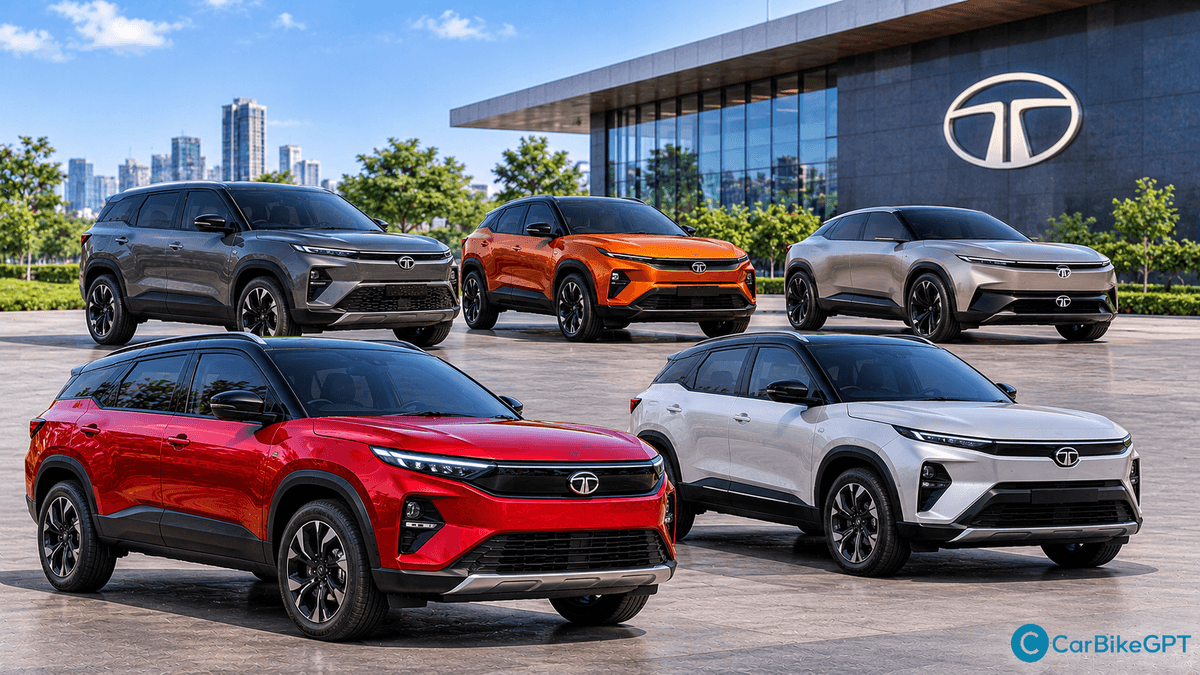
What's The Big News?
Tata Motors, for many of us, has truly redefined what an Indian SUV should be. From the Punch making waves in its micro-SUV segment to the mighty Safari holding its own, they've cemented their place in our garages and our hearts. Now, if the buzz is anything to go by, Tata isn't slowing down one bit.
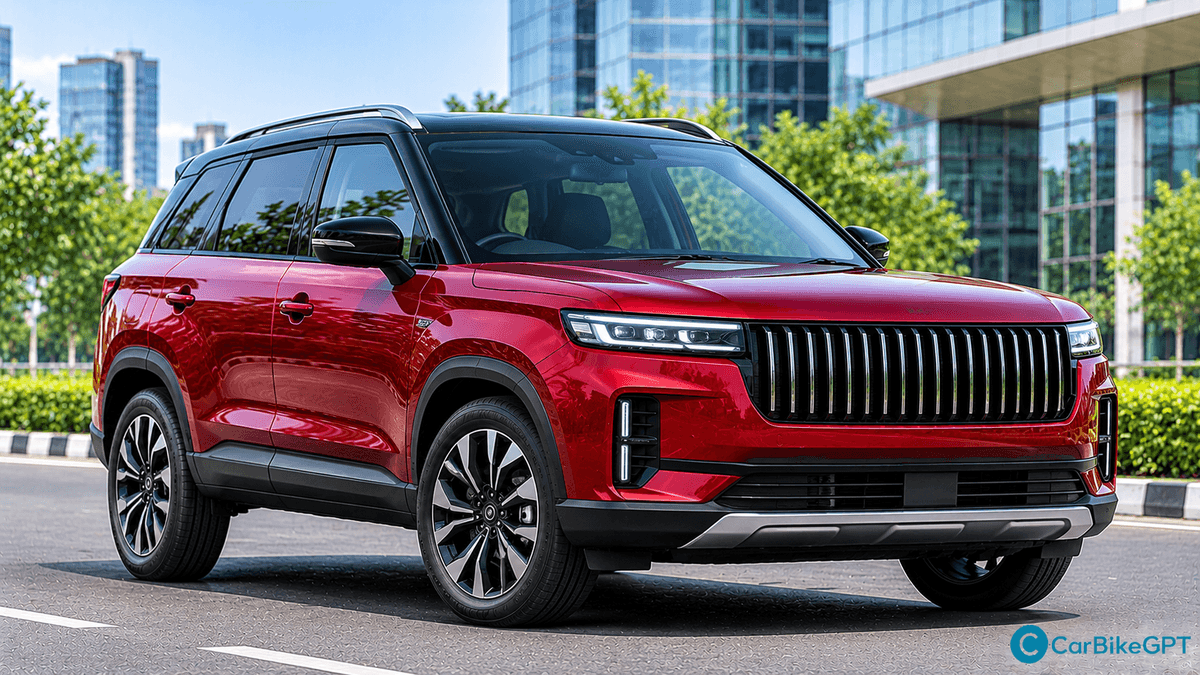
We're talking about a massive push, folks – a strategic rollout of five brand-new or heavily updated SUV models expected to hit our roads between 2027 and 2028. This isn't just about launching new cars; it's about strengthening their dominance across various segments, from compact family haulers to potent electric offerings. It's clear Tata wants to stay ahead of the curve, giving us more reasons to consider their machines.
Tata's Ambitious Strategy for SUV Supremacy
Here's the thing — Tata isn't playing small. Their vision for 2027-28 revolves around a multi-pronged attack on the SUV market. We're expecting to see a significant focus on electrification, building on the success of models like the nexon-ev">Nexon EV and tiago-ev">Tiago EV. This means more dedicated EV platforms, potentially introducing new battery chemistries for better range and faster charging, which is crucial for Indian road trips.
Beyond electric, expect Tata to keep refining their internal combustion engine (ICE) offerings. Their current turbo-petrol and diesel engines are quite capable, but with stricter emission norms and increasing competition, they'll need to be even more efficient and refined. We could see new powertrain options, perhaps even more hybrid tech making its way into their mainstream lineup. Design-wise, expect to see the 'Impact 3.0' philosophy evolve further, bringing sharper lines, more premium interiors, and features that were once reserved for cars costing double the price. Connectivity and advanced driver-assistance systems (ADAS) are also likely to be standard fare, making these new SUVs safer and smarter companions on our bustling highways.
Expanding Horizons: New Segments and Premium Push
With five new models, Tata isn't just filling gaps; they're creating new benchmarks. We anticipate entries into segments where they might not currently have a strong presence, or a significant upgrade in existing popular segments. Think about a larger, more premium three-row SUV that can truly challenge the big boys, or perhaps a sleek coupe-SUV that combines style with practicality – a segment currently gaining traction in India.
The focus won't just be on raw power or size, though. Tata has been steadily improving its build quality, fit-and-finish, and overall cabin experience. We're hoping these upcoming models will take that a notch higher, offering interiors that feel more plush and sophisticated, rivaling what European or Korean manufacturers offer. The goal, it seems, is to offer a complete package: robust build, advanced features, diverse powertrain options, and a premium feel, all while maintaining that crucial value-for-money proposition that Indian buyers cherish (and honestly, it shows in their current sales figures). It's about giving customers choices, whether they prefer the traditional diesel grunt or the silent surge of an electric motor.
Specs At A Glance
As these are future models, specific details are under wraps. However, based on Tata's current trajectory and market trends, here's what we broadly expect:
Advertisement
Aspect | Expected Details (2027-28 Models) |
|---|---|
Expected Segments | Compact SUV, Mid-size SUV, 3-Row SUV, Coupe-SUV (likely mixed ICE & EV) |
Anticipated Powertrain Options | Advanced Turbo-Petrol (1.2L, 1.5L), Diesel (1.5L, 2.0L), Multiple EV Powertrains (long-range, standard range) |
Platform Architecture | ALFA (Advanced Light Flexible Architecture) & OMEGA Arc, New dedicated EV platforms |
Key Design Philosophy | Evolution of 'Impact 3.0', sharper aesthetics, premium interiors |
Expected Technology Focus | Enhanced ADAS suite, larger connected car screens, advanced infotainment, improved safety features |
Battery Technology (for EVs) | Likely improved energy density, faster charging capabilities |
How Does It Stack Up Against The Competition?
This is where it gets interesting. If Tata manages to deliver on its promises for these five models, they're set to intensify competition across the board. In the compact and mid-size SUV segments, they'll continue to challenge established players like the Hyundai Creta, Kia Seltos, Maruti Grand Vitara, and Mahindra XUV300/XUV400. Their focus on safety and robust build has always been a differentiator, and we expect that to continue, possibly even setting new safety benchmarks.
For the larger, potentially more premium offerings, Tata will be aiming squarely at the Mahindra XUV700, MG Hector Plus, and even the likes of the Hyundai Alcazar. The success here will depend heavily on interior refinement, advanced features, and a truly premium ownership experience. If they can bring compelling EV options to these segments, they could carve out a significant niche, especially with the rising fuel prices making electric vehicles an increasingly attractive option for many Indian families. Honestly, if Tata plays its cards right, these new SUVs could truly shake up the market, offering a blend of value, tech, and performance that's hard to ignore.
The Good And The Not-So-Good
What We Like
- Ambitious Roadmap: Five new or significantly updated SUVs signal strong commitment and a proactive approach to market evolution.
- Focus on Electrification: More EVs mean more options for eco-conscious buyers and potentially lower running costs in the long run.
- Evolving Design & Features: Anticipate cutting-edge design, advanced safety features (ADAS), and connected car tech across the lineup.
- Platform Versatility: Continued use and evolution of ALFA and OMEGA platforms allow for diverse body styles and powertrains.
- Market Expansion: Potential entries into new sub-segments, offering more choices to Indian customers.
What Could Be Better
- Long Wait: 2027-28 is still a few years away; the market dynamics can change significantly by then.
- Execution is Key: While the vision is grand, consistent quality, fit-and-finish, and after-sales service across five new models will be crucial.
- Pricing Strategy: Maintaining competitive pricing while offering premium features will be a tightrope walk.
- Brand Perception: Convincing buyers to opt for potentially more premium Tata offerings over established international rivals will require strong marketing and product delivery.
Price & When You Can Buy It
Well, this is the million-dollar question, isn't it? Since we're talking about models expected in 2027-28, official pricing is obviously nowhere in sight. However, looking at Tata's current market positioning, we can expect them to offer competitive pricing, likely starting from the ₹10-12 lakh mark for their entry-level new SUVs, going all the way up to ₹25-30 lakh or even higher for their flagship electric or premium ICE models.
As for availability, the timeframe is quite clear: expect these models to start rolling out progressively from late 2027 through 2028. We'll likely see concept previews and more concrete details emerging closer to 2025-2026. Until then, it's a waiting game, but one that promises some exciting machines.
Our Verdict
Look, Tata Motors isn't just a participant in the Indian SUV game anymore; they're a serious contender, often setting the pace. This ambitious plan to introduce five new or updated SUVs by 2028 clearly shows their intent to dominate. They've nailed the safety aspect, and their designs are getting better with each iteration. Now, with a strong focus on electrification and expanding into new segments, they're positioning themselves for future success. If they can maintain their current momentum in build quality, enhance overall refinement, and continue to offer compelling value, these upcoming SUVs could very well be the next big thing on our roads. We feel this strategic move is exactly what Tata needs to not just compete but truly lead the charge in the evolving Indian automobile landscape.