What's The Big News?
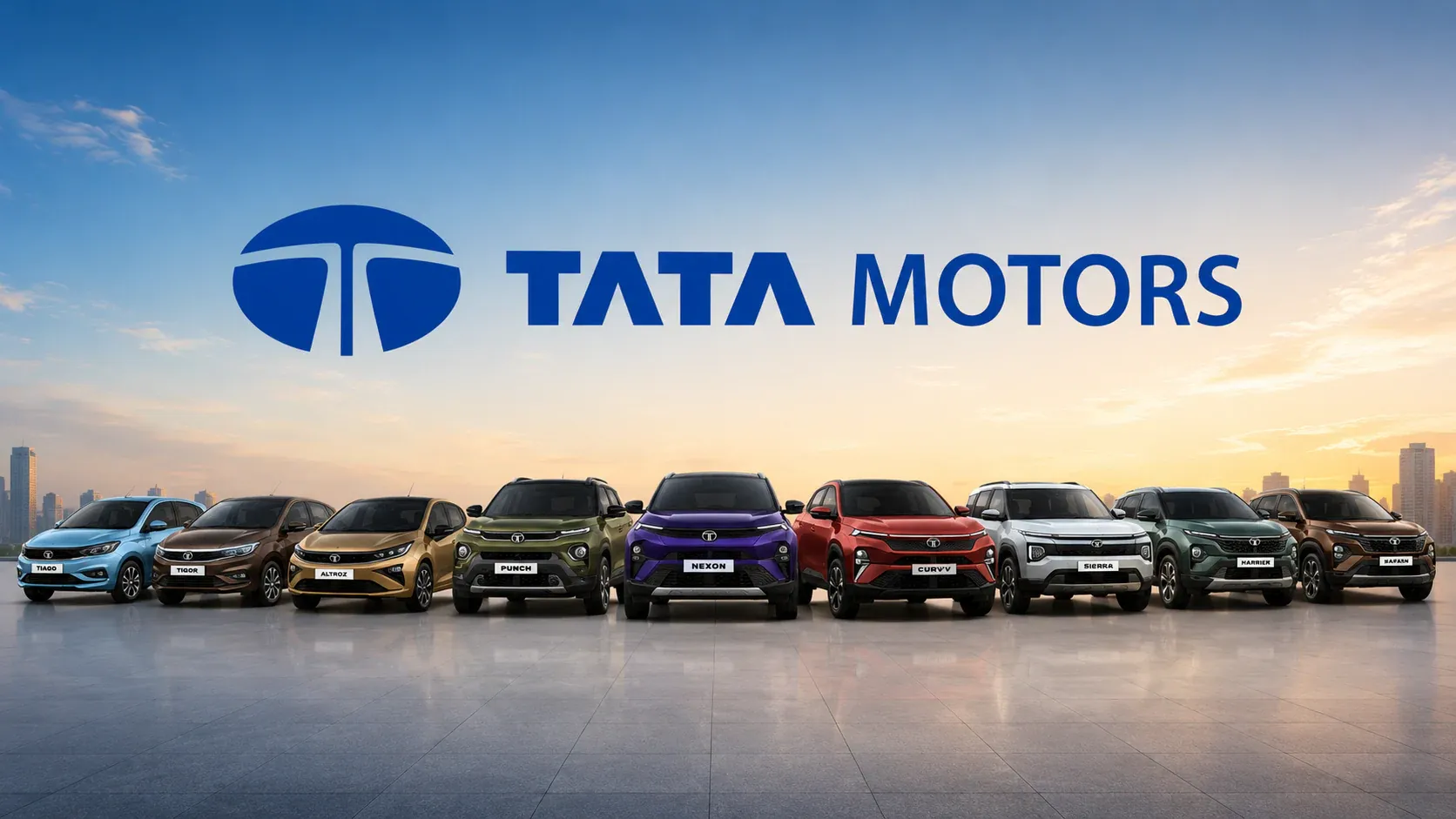
Alright folks, gather 'round, because there's some important news coming from Tata Motors that could seriously impact your car buying plans. If you've been eyeing a new Tiago, Punch, Nexon, or even that stylish Safari, you might want to fasten your seatbelts – and maybe speed up your purchase timeline. Tata has just announced a price hike across its entire passenger vehicle range.
Yes, you heard that right. Starting September 1, 2026, you'll be shelling out more for your favourite Tata wheels, with prices set to jump by up to ₹25,000. For many Indian families, that's not just pocket change; it's a significant chunk of change, potentially enough for a year's worth of fuel or a really good set of accessories. So, if you're on the fence, now's the time to pay close attention.
The Price Hike: What You Need To Know
Let's get straight to the numbers. Tata Motors has confirmed that the price increase will be "up to ₹25,000". Now, that "up to" part is crucial. It means not every model or variant will see the full ₹25,000 jump. Typically, these hikes are applied progressively – entry-level models like the Tiago and Punch might see smaller increases, while the more premium offerings like the Harrier and Safari could bear the brunt of the maximum hike. We've seen this pattern before from other manufacturers.
Why the hike? Well, companies usually point to rising input costs – things like raw materials (steel, aluminium), logistics, and even the ever-increasing cost of meeting stricter emission and safety regulations. These aren't just Indian phenomena; it's a global trend, and manufacturers eventually pass some of that burden onto the consumer. It's a tricky balancing act for them, trying to maintain profitability without alienating buyers. Honestly, this is a tough pill to swallow for many, especially those who've saved meticulously for their dream car.
Keep in mind, this isn't an overnight change. You still have a decent window until September 2026 to make your move at current prices. But for those on a tight budget, even a few thousand rupees can make a big difference. Think about it: ₹25,000 could be the price of a decent infotainment upgrade, extended warranty, or even a few months of your EMI for a mid-spec car.
Who Gets Hit The Hardest?
When a manufacturer announces a uniform "up to" hike, it doesn't always translate to a uniform impact. As I mentioned, the percentage increase will vary significantly. For instance, a ₹10,000 hike on a ₹6 lakh Tiago is a much bigger percentage jump than the same ₹10,000 on a ₹20 lakh Safari. This means buyers looking at the more affordable end of Tata's spectrum, like the Tiago, Tigor, or Punch, might feel the pinch more acutely in relative terms.
On the other hand, those considering a top-end Nexon EV or a fully loaded Safari might find the absolute ₹25,000 hike less impactful on their overall budget, though it's still money out of their pocket. This strategy usually helps companies spread the pain while attempting to keep their most popular volume sellers somewhat competitive. It's a calculated move, but it still means potential buyers need to recalculate their budgets.
We've seen how even small price adjustments can sway purchasing decisions in our price-sensitive market. A few months ago, a friend of mine almost dropped his plan for an Altroz because of a ₹5,000 increase – he eventually went for it, but not without some serious thought. This upcoming hike, especially for the more premium models, needs to be factored into your long-term financial planning.
Specs At A Glance
Since this news is about a price adjustment rather than a new model launch or update, we're talking about the existing, popular Tata passenger vehicle lineup. Here's a quick look at the core details of this announcement.
Aspect | Details |
|---|---|
Effective Date of Hike | September 1, 2026 |
Maximum Price Increase | Up to ₹25,000 |
Affected Vehicle Range | All passenger vehicles (ICE and EV models) |
Models Expected to be Affected | Tiago, Tigor, Punch, Altroz, Nexon (ICE & EV), Harrier, Safari |
Reason for Price Revision (Expected) | Rising input costs, operational expenses, regulatory compliance, R&D investments |
How Does It Stack Up Against The Competition?
This is where things get interesting. Tata Motors has carved a strong niche for itself with a focus on safety, build quality, and a growing portfolio of EVs. Their cars often feel a notch above some direct rivals in terms of sheer robustness, and their NCAP ratings speak for themselves. With this price hike, however, they'll need to work even harder to maintain that competitive edge, especially against established players like Maruti Suzuki and Hyundai, who consistently bring compelling, feature-rich packages to the table.
For someone looking at a Punch or Altroz, a ₹15,000-₹20,000 hike could push them closer to a mid-spec Swift or even certain variants of the Hyundai i20, which might offer different perks like slightly better fuel efficiency or more refined engines (though often at a safety compromise, in my opinion). Similarly, in the compact SUV segment, a pricier Nexon will have to fend off the likes of the Maruti Brezza, Hyundai Venue, and Kia Sonet even more aggressively. (And honestly, it shows how competitive this segment truly is.)
Even for the Harrier and Safari, which compete with the Mahindra XUV700 and MG Hector, a price bump means they need to keep delivering on their promise of premium features, commanding road presence, and strong performance. Tata's EV lineup, though, remains a strong point. Even with a hike, their Nexon EV and Tiago EV offer fantastic value in their respective segments, often without direct, equally capable rivals at the same price point.
The Good And The Not-So-Good
What We Like
- Tata's commitment to safety and build quality remains strong, regardless of price adjustments.
- Broad product portfolio means there's a Tata for almost every budget and requirement.
- Their EV range continues to be a market leader, offering compelling options for green mobility.
- The price hike isn't immediate, giving buyers a significant window to purchase at current rates.
What Could Be Better
- Any price hike is a tough pill for budget-conscious Indian buyers.
- The "up to ₹25,000" figure lacks specific model-wise breakdowns, leading to uncertainty.
- It could potentially erode some of Tata's value-for-money advantage in certain segments against rivals.
- The timing, while announced well in advance, adds another layer of financial consideration for families planning car purchases.
Price & When You Can Buy It
Here's the bottom line: The new, increased prices will kick in from September 1, 2026. This means any booking or purchase completed before this date will likely be honoured at the current prices. Dealerships will undoubtedly be pushing for sales in the coming months to clear inventory at the existing rates and encourage buyers to act quickly.
Specific model-wise price revisions haven't been detailed yet, but you can expect those announcements closer to the effective date. It's always a good idea to speak directly with your local Tata dealer for the most accurate and up-to-date pricing for the model and variant you're interested in. Don't wait until the last minute if you're serious about saving that potential ₹25,000!
Our Verdict
So, what's the takeaway here for our CarBikeGPT readers? This price hike, while not immediate, is a clear signal. If a Tata car is on your radar, now is the time to finalize those plans and secure your booking. ₹25,000 might not sound like a fortune on a ₹15-20 lakh car, but for the average Indian buyer, it's a considerable saving that could go towards accessories, insurance, or even just keeping a bit more cash in your pocket.
Look, a price hike is never good news, but it's often an unavoidable reality for manufacturers dealing with rising costs and evolving regulations. Tata Motors continues to offer a strong package of safety, features, and choice across its lineup. The question now is how well they can maintain their competitive edge and value proposition once these new prices settle in. For now, the ball is in your court, the buyer's. Don't say we didn't warn you!