What's The Big News?
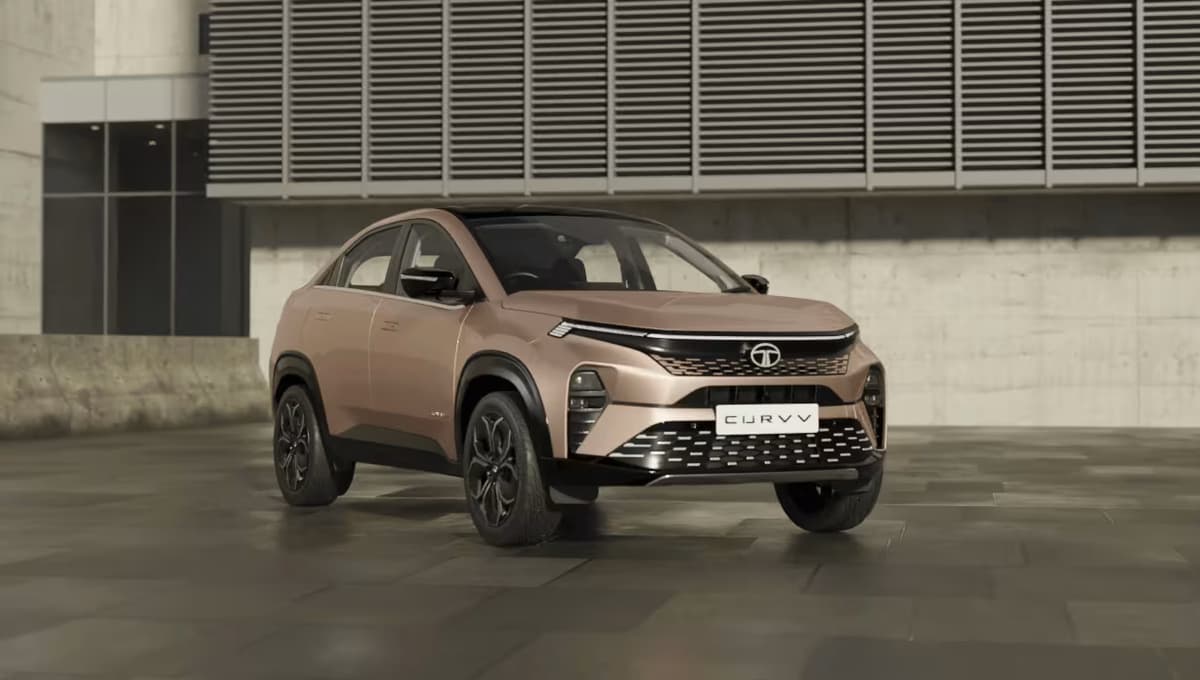
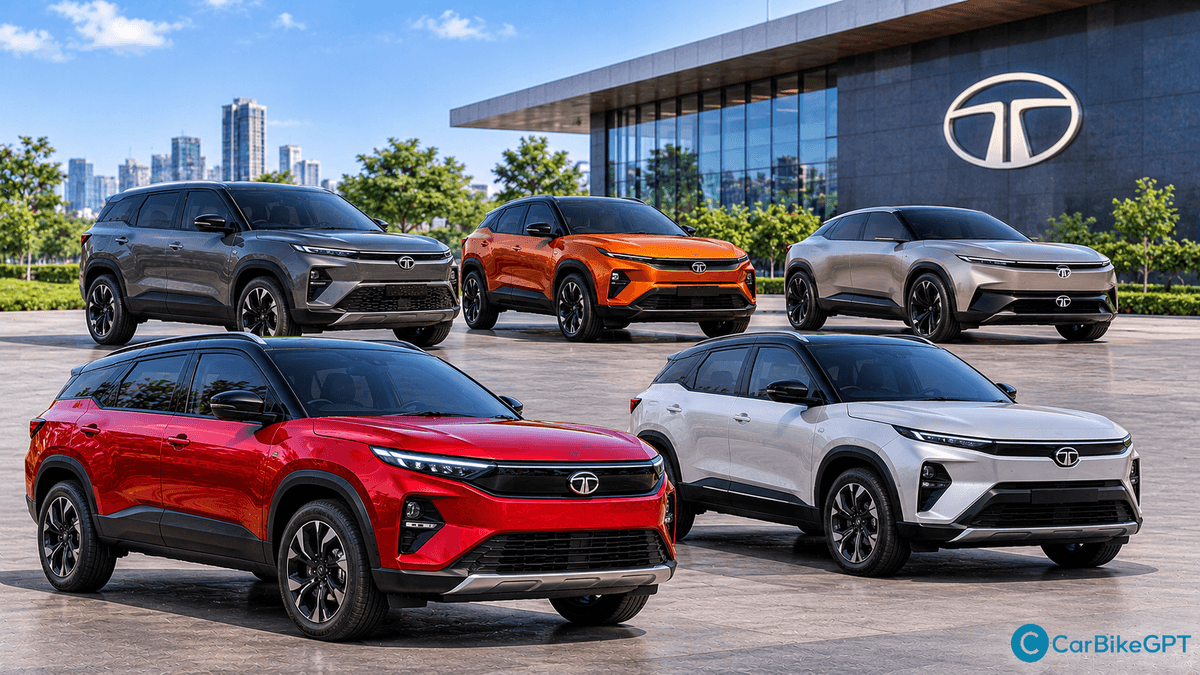
Alright, listen up, because this is big. Tata Motors, a brand many of us trust for solid, value-for-money cars, has officially confirmed they're jacking up prices across their entire passenger vehicle portfolio. We’re talking about every single car and SUV from their stable – the Tiago, Altroz, Punch, Nexon, Harrier, and Safari, all of them. But here's the kicker: this isn't happening tomorrow or next month. The price revision is slated to kick in from December 2026.
Now, I know what you’re thinking: “December 2026? That’s ages away!” And yes, it is. But for us Indian buyers who save for years to get that dream car, planning starts early. This announcement gives you a generous window, but it also signals a clear trend. It's not just a small bump; we're expecting a notable increase across the board, though the exact percentages are still under wraps. This move will definitely have potential buyers crunching numbers a bit differently.
Why Are Tata Car Prices Going Up? The Real Deal.
So, why the price hike, and why announce it so far in advance? It isn't just about making more money, folks; there's usually more to it. Car manufacturers, especially one as diverse as Tata, operate on razor-thin margins in our competitive market. The primary culprits for these perennial price revisions are usually escalating input costs.
Think about it: the price of steel, aluminum, copper, and even semiconductors – the tiny brains in your car’s infotainment system – has been fluctuating wildly globally. These aren't just one-off surges; they're long-term trends. Then there's the increasing cost of logistics and transportation. Moving raw materials to the factory and then finished cars to dealerships across our vast country isn’t cheap. Plus, let's not forget the ever-evolving regulatory landscape in India. New safety norms, stricter emission standards (BS6 Phase 2, for example), and upcoming electrification mandates all require significant R&D investment. These aren't just expenses; they’re investments in making your cars safer, cleaner, and smarter. And naturally, these costs eventually get passed on to the consumer, albeit sometimes indirectly. This early announcement might also be a strategic move, giving both dealers and customers ample time to adjust and plan, something not all manufacturers do (and honestly, it shows).
The Impact: What This Means For Your Wallet And Choices
Let’s talk brass tacks: what does this mean for you, the everyday buyer? Firstly, if you’ve been eyeing a Tata car, this gives you a good 24 months to seriously consider your purchase. You could potentially lock in the current prices if you buy before December 2026. This isn't a small window; it's a golden opportunity for those who’ve been on the fence, perhaps waiting for a new variant or a specific feature.
Secondly, it impacts Tata’s competitive positioning. Tata Motors has carved a niche for itself by offering feature-rich, safe cars that often undercut rivals on price or offer better value for money. A significant price hike, especially if it's steeper than what competitors might announce, could potentially shift buyer sentiment. People who were comparing a Nexon with a Venue or a Sonet might re-evaluate if the price difference narrows too much. However, Tata's reputation for safety and robust build quality, especially with cars boasting a 5-star GNCAP rating, remains a massive draw. For many, that peace of mind is worth a small premium, but there’s always a limit to how much that premium can stretch.
Specs At A Glance
Parameter | Detail |
|---|---|
Affected Models | All Tata Passenger Cars & SUVs |
Effective Date | December 2026 |
Price Increase Quantum | To Be Announced (Specific percentage/amount TBA) |
Primary Reasons Cited | Rising input costs, R&D investments, regulatory compliance, inflation |
Buyer Opportunity | Purchase before December 2026 to potentially avoid hike |
Advertisement
How Does It Stack Up Against The Competition?
Here's the thing — price hikes aren't unique to Tata Motors. Every major manufacturer in India, from Maruti Suzuki to Hyundai, Mahindra, and even premium brands, announces price revisions at regular intervals. It's almost an annual ritual for some, sometimes even twice a year. So, in that sense, Tata isn't doing anything out of the ordinary.
Where it gets interesting is the *timing* and *magnitude*. Announcing a hike two years in advance is somewhat unusual but also transparent, offering clarity. Competitors typically announce hikes much closer to the effective date. This long lead time gives Tata customers a unique chance to plan. However, if Tata's eventual hike is significantly higher than what Maruti or Hyundai might implement around the same time, it could momentarily impact its 'value king' image in certain segments. Right now, Tata often gives you more features, better build, and superior safety for the price of a mid-spec Swift or a decent i20. We'll have to see if that equation holds up perfectly post-2026. My bet? Tata will likely maintain its competitive edge by focusing on its strengths like safety and unique design elements, even with the revised pricing.
The Good And The Not-So-Good
What We Like
- Ample Warning: Two years is a long time! This allows potential buyers to plan their finances and possibly make a purchase before the prices go up.
- Transparency: While the exact numbers aren't out, announcing the intent well in advance shows a certain level of transparency.
- Supports R&D: Higher prices, when justified, can mean more investment in future technologies, safety features, and better-quality components for us consumers.
- Market Stability: It sets a precedent for long-term planning, potentially reducing sudden market shocks.
What Could Be Better
- Uncertainty on Quantum: We still don't know *how much* prices will increase. This ambiguity can be unsettling for those planning a purchase.
- Impact on Affordability: Any price hike makes cars less accessible for some buyers, especially in the budget-conscious segments where Tata has strong contenders.
- Competitive Pressure: If the hike is substantial, it could put Tata at a slight disadvantage against rivals who might absorb more costs or announce smaller increases.
- Mental Block: Some buyers might be put off, even with the long lead time, and start exploring other brands immediately.
Price & When You Can Buy It
As confirmed by Tata Motors, the revised pricing for all their passenger vehicles – cars and SUVs – will come into effect from December 2026. It’s important to reiterate that the specific percentage or exact amount of the price increase hasn’t been revealed yet. We expect more details to emerge closer to the effective date, perhaps in late 2025 or early 2026, as the company finalizes its cost analysis and market strategy.
For now, your best bet is to keep a close eye on CarBikeGPT.com for official announcements. If you’re seriously considering a Tata vehicle, you've got a solid two-year window to make that purchase at current prices. This is a rare opportunity to beat the hike, so don't sleep on it if your finances are in order.
Our Verdict
Look, price hikes are an inevitable part of the automotive industry. It's a reality driven by global economics, local regulations, and the constant push for better technology and safety. Tata Motors announcing this well in advance isn’t just a heads-up; it’s a strategic move that gives consumers, perhaps for the first time, a real chance to beat the clock. Honestly, if you’ve been dreaming of a Punch, a Nexon, or even a Safari, and your budget allows, now might just be the best time to start seriously planning that purchase. This isn't just about saving money; it’s about making a smart decision in a market that’s constantly evolving. Don't wait until the last minute; do your research, talk to your dealer, and drive home your dream Tata before December 2026 rolls around.