What's The Big News?
Alright folks, gather 'round, because Tata Motors just dropped a bombshell that’s gonna make every EV enthusiast and prospective buyer sit up and take notice. We’re not talking about another variant or a minor refresh here; we’re talking two brand-new, proper electric SUVs heading our way – the much-anticipated Safari EV and the sleek, concept-inspired Avinya X. It's clear Tata isn't just dabbling in electric mobility anymore; they're going all-in, aiming to dominate every segment.
This isn't just about adding more EVs to their already impressive lineup. This is about solidifying their position as the undisputed leader in India's electric vehicle market. With the Safari EV, they're electrifying a household name, a car known for its road presence and family-hauling capabilities. And the Avinya X? Well, that's their vision for the future, a premium, ground-up EV that promises to shake things up at the higher end. You can almost hear the competition scrambling, can’t you?
Electrifying An Icon: The Safari EV
Let's talk about the Safari EV first, because honestly, this is the one that's got everyone buzzing. The Safari nameplate carries a lot of weight in India. It's synonymous with ruggedness, comfort, and tackling our often-challenging road conditions. Now, imagine all that, but with instant torque, silent operation, and zero emissions. That’s the promise of the Safari EV.
We’re expecting it to retain that commanding road presence we all love, maybe with some subtle EV-specific design cues like a closed-off grille and aero-optimised wheels. Underneath, it’ll likely ride on Tata’s Gen 2 EV architecture, which means it’s designed from the ground up to be electric-first, or at least heavily adapted for it. This isn't just an ICE car with a battery shoved in; it’s a proper electric SUV designed for efficiency and performance. Range will be critical here, and we’re hoping for something that can easily handle those Mumbai-Pune or Delhi-Chandigarh runs without range anxiety creeping in. Tata knows the Indian customer, and they know we need reliable range for our family road trips.
Inside, expect a significant tech upgrade. Larger touchscreens, advanced driver-assistance systems (ADAS), and connected car tech are almost a given. Tata’s been doing a great job with interiors lately, especially with the facelifted Nexon and Harrier. The Safari EV will surely build on that, offering a plush, modern cabin that feels premium and future-ready. It'll need to, especially if it wants to justify what will likely be a higher price tag compared to its diesel sibling. Honestly, if they pull this off, the Safari EV could be the perfect answer for families looking to go green without compromising on space or comfort.
The Future Is Here: Tata Avinya X
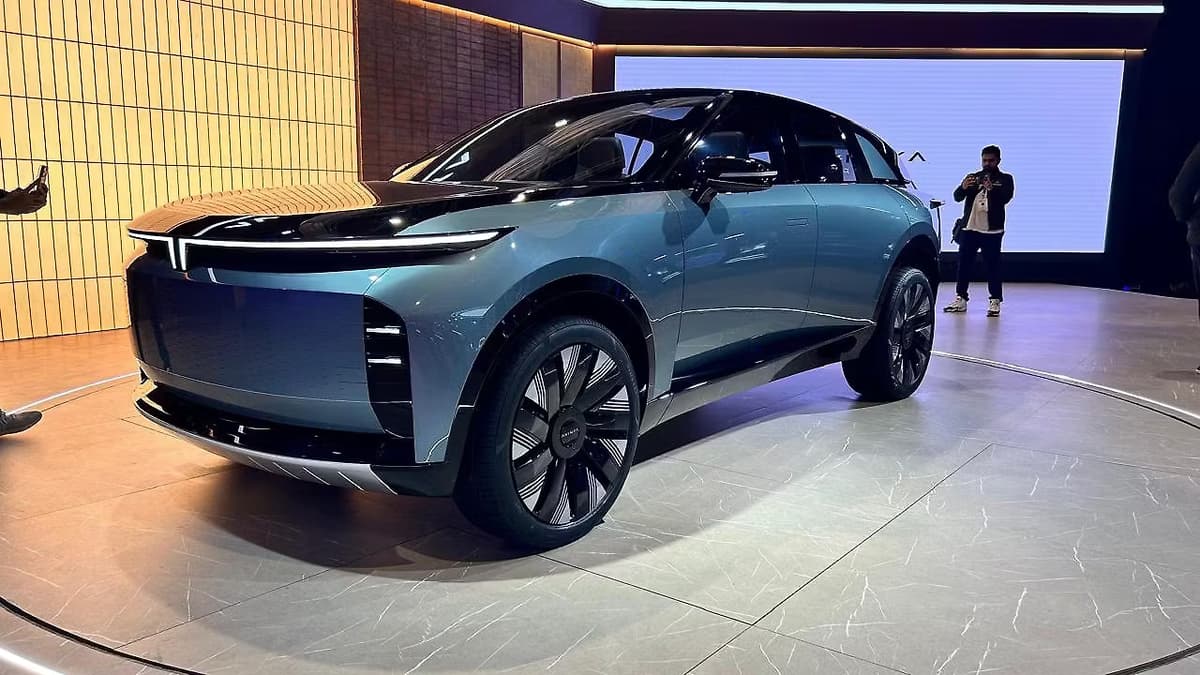
Now, shifting gears to the Avinya X – this is where Tata truly stretches its wings. Remember the Avinya concept car? That striking, avant-garde design that looked like it drove straight out of a sci-fi movie? Well, the Avinya X is set to bring much of that vision to reality. It's built on Tata’s pure EV Gen 3 architecture, meaning it's a skateboard platform designed exclusively for electric vehicles. This allows for massive battery packs, optimal weight distribution, and incredible interior space thanks to the flat floor and stretched wheelbase.
Think of it as Tata’s flagship electric offering, positioned above everything else they currently sell. It’s not just an SUV; it’s more of a cross between a premium SUV and a sophisticated coupe, aiming for a segment that’s currently dominated by imported luxury EVs. This car will be all about cutting-edge technology, premium materials, and a driving experience that’s refined and exhilarating. We’re talking about next-level connectivity, possibly Level 2+ ADAS features, and a cabin that redefines comfort and luxury for an Indian-made vehicle. They’ll be targeting customers who want to make a statement, who value sustainability but aren’t willing to compromise on luxury or performance. (yes, really)
The design alone is enough to turn heads. It’s expected to be sleek, aerodynamic, and unlike anything else on Indian roads from a mainstream manufacturer. This platform flexibility also suggests we might see different body styles emerge from the Avinya family in the future. For now, the Avinya X looks set to be the torchbearer of Tata's advanced EV tech and design philosophy.
Specs At A Glance
Given that these are upcoming models and official details are still under wraps, most specific figures remain unconfirmed. However, we can make some educated guesses based on Tata's current EV strategy and the platforms involved.
Feature | Tata Safari EV (Expected) | Tata Avinya X (Expected) |
|---|---|---|
Platform | Gen 2 (adapted for EV) | Gen 3 (pure EV skateboard) |
Body Style | Full-size SUV | Premium Coupe-SUV |
Battery Capacity | Likely 60-80 kWh range | Likely 80-100 kWh+ range |
Expected Range (ARAI) | 500 km+ | 600 km+ |
Powertrain | Dual motor AWD likely on higher variants | Dual motor AWD likely standard/available |
Fast Charging | DC fast charging compatible (100 kW+) | Ultra-fast DC charging compatible (150 kW+) |
Seating Capacity | 6 or 7-seater | 5-seater |
Launch Timeline | Expected H2 2024 / H1 2025 | Expected 2025 |
How Does It Stack Up Against The Competition?
This is where things get interesting. The Safari EV will likely carve out its own niche. Currently, there isn't a direct electric rival for a large, 7-seater family SUV in India. Its closest future competitor might be an electrified version of the Mahindra XUV700, whenever that arrives, or perhaps even higher variants of the upcoming MG Hector EV. The Safari EV’s strength will be its familiar nameplate, Tata’s growing EV charging network, and presumably a competitive price point that undercuts luxury brands. It needs to offer a compelling package of space, range, and features that makes the jump to electric a no-brainer for traditional SUV buyers.
The Avinya X is playing in a different league altogether. Here, Tata is aiming squarely at premium electric offerings from global players. Think Hyundai IONIQ 5 or potentially even some entry-level luxury EVs from Mercedes or BMW in terms of positioning and technology, though at a more accessible price. Its pure-EV platform will give it an inherent advantage in packaging and driving dynamics over converted ICE platforms. If Tata can deliver on the Avinya concept's promise of stunning design, advanced tech, and genuinely long range, it could really disrupt the premium EV space. It’s a bold move, and honestly, it shows Tata's confidence in their EV journey.
The Good And The Not-So-Good
What We Like
- Tata's EV Leadership: They know the Indian market and what it takes to build a successful EV ecosystem.
- Safari EV - Electrifying an Icon: A known, trusted name gets a future-proof powertrain, perfect for families.
- Avinya X - Futuristic Vision: A pure-EV platform promises groundbreaking design, space, and tech.
- Range Expectations: Both are expected to offer substantial range, addressing a major concern for Indian buyers.
- ADAS and Tech: Tata’s commitment to advanced features means these will be loaded.
What Could Be Better
- Charging Infrastructure: While growing, it needs to rapidly expand to support more long-range EVs.
- Pricing: EVs are still premium, and these larger, more advanced models will likely command significant prices.
- Initial Availability: High demand might mean long waiting periods, a common issue with popular Tata models.
- Competition: The premium EV segment is getting crowded, and the Avinya X will face stiff global rivals.
- Resale Value: Still a nascent market for higher-end EVs; long-term value needs to be proven.
Price & When You Can Buy It
Alright, the million-dollar question – or rather, the multi-lakh rupee question! Specific pricing details for both the Safari EV and Avinya X are, as expected, under wraps. Tata will reveal these closer to their respective launches. However, we can anticipate their positioning.
The Safari EV, being a large electric SUV, is expected to sit in the ₹25-35 lakh (ex-showroom) bracket, depending on variants and battery size. This would position it as a premium offering, but still competitive against traditional ICE SUVs in its segment once running costs are factored in. For the Avinya X, given its pure-EV platform and premium aspirations, pricing is likely to start upwards of ₹35-40 lakh and could even cross the ₹50 lakh mark for top-end variants. It's definitely aimed at a more affluent buyer.
As for availability, the Safari EV is expected to hit showrooms first, possibly by late 2024 or early 2025. The Avinya X, being a more ambitious, ground-up EV, is likely to follow in 2025. We'll be keeping a close eye on official announcements, and you can bet we'll bring you the news the moment it breaks.
Our Verdict
Look, Tata Motors isn't just playing the EV game; they're redefining it for India. With the Safari EV, they're making a strong statement that electric mobility isn't just for city hatchbacks or compact SUVs; it’s ready for the big leagues, for families who need space and capability. And with the Avinya X, they're showing us a glimpse into a genuinely futuristic, premium electric future that's designed and built right here in India. This double punch of electric SUVs is a testament to Tata's ambition and engineering prowess. They’re building an an ecosystem, not just selling cars, and that’s a massive advantage in the long run. If you've been holding out for a proper, capable electric SUV, your wait is almost over. These two are definitely worth keeping an eye on.