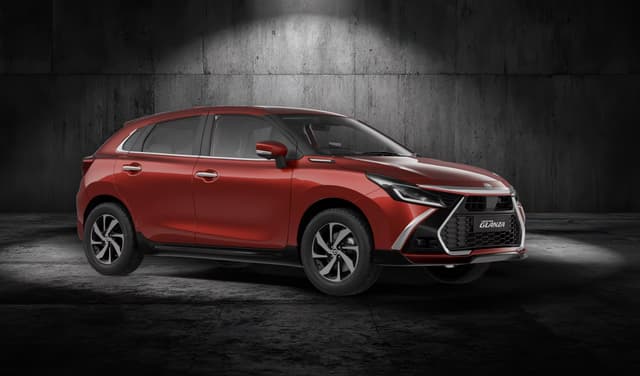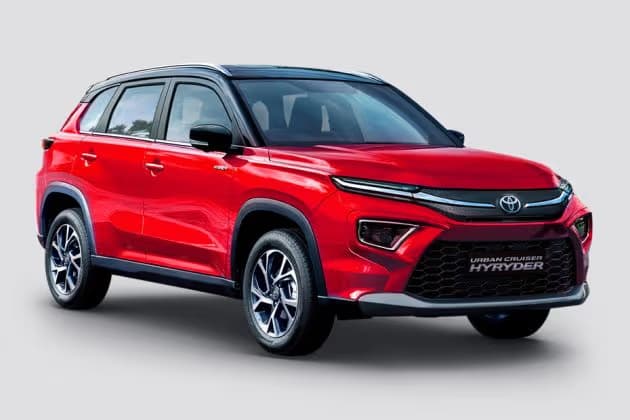
What's The Big News?
Okay, folks, let's cut to the chase. Toyota, the undisputed king of hybrid tech globally, is finally looking to bring its A-game to the smaller, more affordable segments in India. We're talking about small hybrid cars – the kind that could actually make a dent in the everyday buyer's budget, not just the premium crowd.
For years, we've seen Toyota offer brilliant hybrids like the Camry and the Innova HyCross, but those are out of reach for a vast majority of Indian families. Now, the word on the street is they're serious about volume, about giving Maruti a real run for its money in the compact space. This isn't just another rumour; it's a strategic shift that could change how we look at fuel-efficient cars for good.
Toyota's Hybrid Play for the Masses
Here's the thing — Toyota understands India. They know that mileage is god, and running costs are everything. That's why this focus on 'small' hybrids is such a smart move. We're not talking about full EVs here, which still have range anxiety and charging infrastructure issues for many. We're talking about strong hybrids, cars that can run on electric power for a good chunk of city driving, stretching every single drop of petrol.
Think about it: the kind of fuel efficiency you get from a hybrid is often far superior to conventional petrol cars, and sometimes even diesel. In a country where petrol prices fluctuate like our stock market, that's a massive selling point. These small cars, likely hatchbacks, compact sedans, and maybe even a sub-4-meter SUV, will leverage Toyota's globally acclaimed hybrid synergy drive system. It's a proven, reliable technology, refined over decades, and honestly, it shows in the real-world performance.
They're not just slapping a battery and motor onto an existing model; we expect proper integration, designed from the ground up to be efficient. The partnership with Suzuki will likely play a crucial role here, bringing down costs through shared platforms and components, much like we've seen with the Grand Vitara and HyRyder. This could finally be Toyota's chance to crack the code for mass-market appeal, moving beyond just premium offerings and utility vehicles.
The Road Ahead: Affordability and Localisation
For any carmaker to succeed in India's compact segment, affordability isn't just a buzzword; it's the ultimate gatekeeper. Toyota knows this well. That's why the emphasis on 'small' cars isn't just about physical size, but about the price tag. To make these hybrids truly accessible, a high degree of localisation is non-negotiable. Manufacturing components locally, assembling here, and sourcing materials from India can bring down costs significantly, making these cars competitive against even segment leaders.
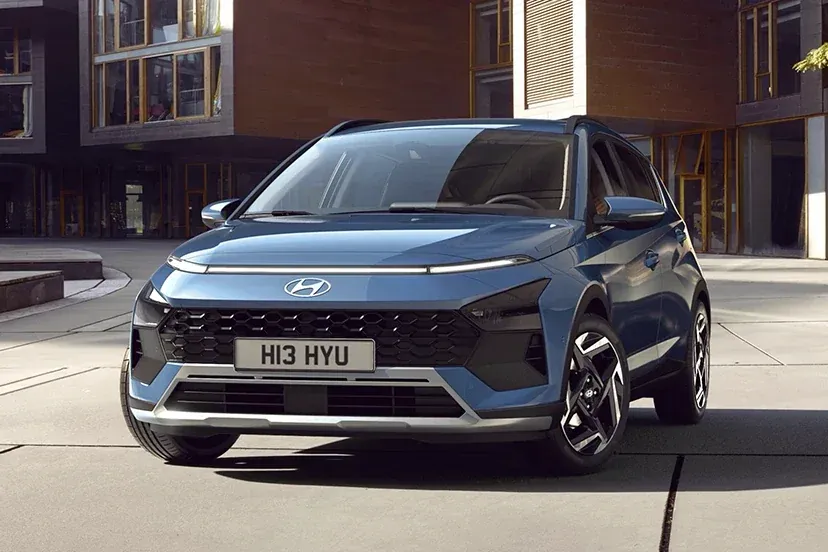
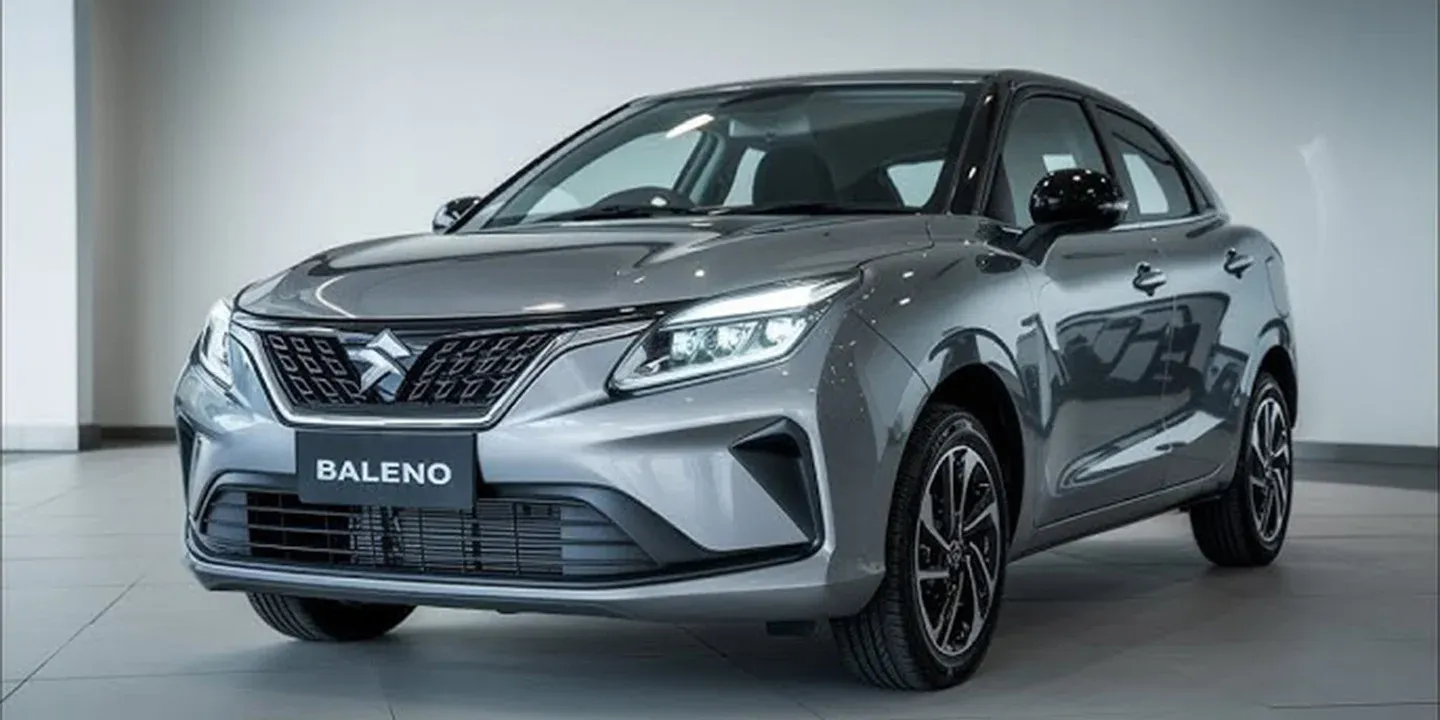
We're talking about cars that could potentially sit below the Urban Cruiser HyRyder, perhaps in the ₹8-15 lakh bracket, challenging established players like the Baleno, Swift, and even the Venue/Sonet. Imagine a Toyota hatchback or compact sedan with strong hybrid tech for the price of a mid-spec Swift or i20. That's a compelling proposition for anyone who drives a lot in the city and is tired of petrol station visits.
This strategy also aligns perfectly with government initiatives pushing for cleaner mobility. While EVs get a lot of headlines, hybrids offer a practical, immediate solution for reducing emissions and fuel consumption without requiring a complete overhaul of our existing infrastructure. It's a stepping stone, a bridge to a greener future that everyday Indians can actually afford and use without major lifestyle changes.
Specs At A Glance
Feature | Details |
|---|---|
Hybrid System | Toyota's proven Strong Hybrid Technology |
Target Segments | Compact hatchbacks, sedans, and SUVs |
Primary Focus | High Fuel Efficiency & Low Running Costs |
Localisation Level | Expected to be high for competitive pricing |
Emission Compliance | BS6 Phase 2 standards |
Launch Timeline | To be announced (TBA) |
How Does It Stack Up Against The Competition?
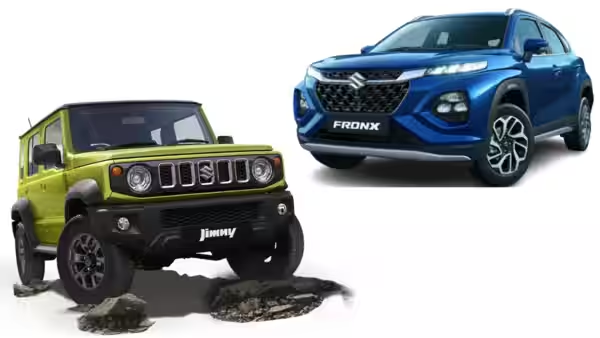
If Toyota manages to nail the pricing, these small hybrids will shake things up dramatically. Their primary competitor, without a doubt, will be Maruti Suzuki. Maruti already offers strong hybrids in segments above the Swift (Grand Vitara, Fronx), but a small hybrid from Toyota could directly challenge Maruti's conventional petrol cars like the Baleno, Swift, and even the upcoming Dzire.
Then there's Tata Motors, which currently dominates the budget EV space with cars like the tiago-ev">Tiago EV and nexon-ev">Nexon EV. While Toyota's hybrids aren't direct EV competitors, they offer an alternative for buyers who want lower running costs but aren't ready for the leap to pure electric. The lack of range anxiety and quicker refuelling of hybrids makes them a practical choice for many. Hyundai and Kia, with their focus on conventional petrol and turbo-petrol engines, might also feel the heat if Toyota brings truly affordable, efficient hybrids to the market. Honestly, if anyone can make hybrid tech mainstream and affordable, it's Toyota.
The Good And The Not-So-Good
What We Like
- Legendary Hybrid Reliability: Toyota's hybrid tech is bulletproof, proven over millions of kilometres globally.
- Exceptional Fuel Efficiency: Expect class-leading mileage figures, especially in city driving.
- Lower Running Costs: Less frequent trips to the petrol pump will be a huge relief.
- Environmentally Friendlier: Reduced emissions compared to conventional petrol cars.
- No Range Anxiety: The best of both worlds – electric drive for short bursts, petrol for long hauls.
- Potential for Aggressive Pricing: High localisation could make these surprisingly affordable.
What Could Be Better
- Initial Cost: Hybrids typically cost more upfront than comparable petrol-only cars.
- Boot Space: Battery placement can sometimes eat into boot space, especially in smaller cars.
- Performance: While efficient, smaller hybrids might not offer scintillating performance (though it's usually adequate for city and highway).
- Limited Model Details: We're still waiting for specific car models and detailed specs.
Price & When You Can Buy It
As of now, specific models, their exact launch timelines, and pricing details are still under wraps. Toyota is playing its cards close to its chest, as expected. However, given their focus on 'small' cars and 'growth' in India, we can safely assume these will be competitively priced.
We expect announcements on specific models and their pricing to be made closer to their market launch, which could be in the next 12-24 months. If they manage to price these in the ₹8 lakh to ₹15 lakh range, depending on the segment, they'll have a winner on their hands. Keep an eye on the auto expos; that's where we usually get the first glimpse of such strategic moves.
Our Verdict
Look, for years, Indian buyers have wanted more fuel-efficient, reliable options that don't break the bank. Toyota's plan to bring small hybrids to India isn't just another product launch; it's a potential game-changer. It shows they're finally ready to take on the mass market with their core strength: hybrid technology. If they execute this with aggressive pricing and strong localisation, they won't just drive growth for themselves; they'll offer a genuinely compelling alternative to traditional petrol cars and even budget EVs. In my opinion, this could be the most significant move from Toyota in India since the Etios, perhaps even bigger. It's about time we got some serious hybrid tech that everyone can afford, not just the privileged few.