In this report
- How Long Do EV Batteries Really Last in India?
- Understanding Your EV Battery Warranty in India
- Manufacturer Warranty Comparison
- The Impact of Heat on EV Battery Health in India
- Practical Tips to Maximize Your EV Battery's Life
- The Reality of EV Battery Replacement Costs in India
- Our Recommendations for Indian EV Buyers
How Long Do EV Batteries Really Last in India?
Let's address the biggest question first: are you going to be stuck with a dead battery in a few years? Officially, modern electric car batteries are designed to last between 8 to 10 years or 1.5 to 2 lakh kilometres under normal driving conditions. Real-world data backs this up.
This means an average total degradation of 18.4% over eight years (2.3% x 8). Consequently, the battery could retain about 81.6% of its original capacity. Data from Thatsmyev suggests most EV batteries retain between 80-90% of their original capacity after 8 years, which aligns with this estimate. For passenger cars, the idea that batteries commonly fail within 3 to 4 years is a myth. In fact, Thatsmyev's data suggests modern batteries could even last 15-20 years.
Understanding Your EV Battery Warranty in India
A key protection against premature battery failure is the manufacturer's warranty. Most manufacturers in India offer a battery warranty of 8 years or up to 1.6 lakh kilometres, whichever comes first. Major manufacturers like Tata, MG, and Mahindra all provide 8-year battery warranties as standard.
This isn't just a warranty against complete failure. These warranties generally guarantee that the battery will retain a certain percentage of its original capacity, with the figure often being around 70%. If your battery's health drops below this estimated 70% State of Health (SoH) mark within the warranty period, it typically constitutes a valid warranty claim.
Manufacturer Warranty Comparison
While the 8-year term is common, it's crucial to check the fine print for the specific model you're considering.
Manufacturer | Standard Warranty Term | Standard Kilometre Limit | Notes |
|---|---|---|---|
Tata Motors | 8 Years | 1,60,000 km | For a second owner, the warranty reverts to 8 years/1,60,000 km from the original purchase date. |
Mahindra | 8 Years | 1,60,000 km | |
MG Motor | 8 Years | Varies by model | N/A |
The Impact of Heat on EV Battery Health in India
EV batteries face thermal stress, as it's common for surface temperatures to rise above 45°C in cities like Delhi, Chennai, and Ahmedabad.
The impact is significant. Inside a parked vehicle, battery pack temperatures can soar to 55-65°C, accelerating chemical degradation, as noted by Evxpertz.
Practical Tips to Maximize Your EV Battery's Life
You can't change the weather, but you can change your habits. Here are actionable tips to protect your investment and extend your battery's lifespan:
- Limit DC Fast Charging: While convenient for road trips, frequent high-speed charging can accelerate degradation. Use it when you need it, not for daily top-ups.
- Maintain a Healthy State of Charge (SoC): For daily use, try to keep your battery roughly between 20% and 80%. Avoid regularly letting it drop below 20%, as advised by experts at Evxpertz. Charge to 100% only when you know you'll need the full range for a long trip.
- Park in the Shade: Whenever possible, park your EV in a basement, under a covered structure, or in the shade to help keep the battery pack cool.
- Charge During Cooler Hours: If you park outdoors, try to schedule your home charging for overnight or early morning hours when ambient temperatures are lower.
The Reality of EV Battery Replacement Costs in India
What happens if your battery fails outside the warranty period? The cost is a valid concern. Estimates for Indian EV battery replacement vary, with some reports from Bavelectric suggesting a range of ₹3 lakh to ₹6 lakh. Other estimates from Ev place the cost higher, from ₹4 lakh to ₹12 lakh depending on the battery pack's size.
Here are some model-specific estimates reported by Ev:
Vehicle Model (Approx. Battery Size) | Estimated Replacement Cost |
|---|---|
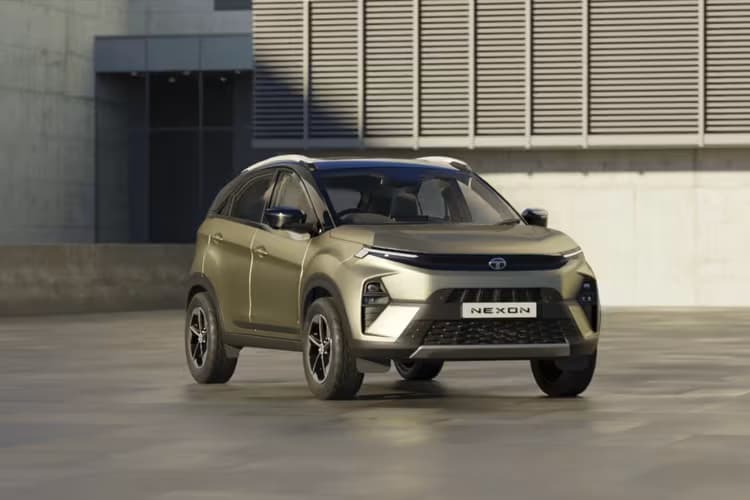
Tata Nexon EV (~30 kWh) | ₹5.5 lakh to ₹7 lakh |
Tata Nexon EV Max / Long Range (~40-45 kWh) | ₹7.5 lakh to ₹9 lakh |
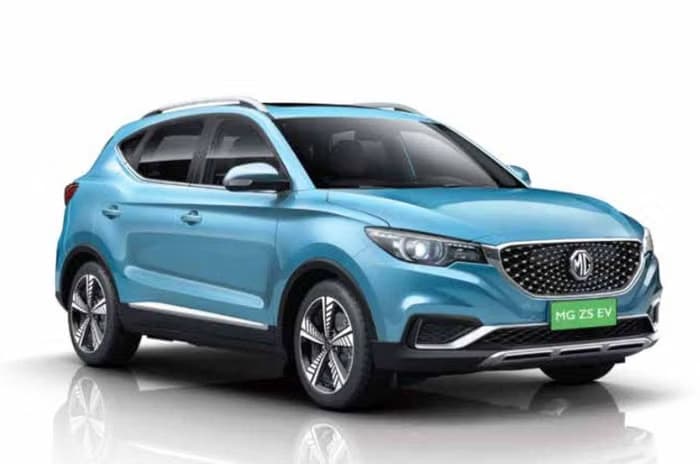
MG ZS EV (~44-50 kWh) | ₹6.5 lakh to ₹8.5 lakh |
Models mentioned above
While these figures are high, there's a silver lining. This trend suggests that by the time today's EVs are out of warranty in the early 2030s, replacement costs could be significantly lower.
Our Recommendations for Indian EV Buyers
For Prospective Buyers: Don't let battery anxiety deter you. The data shows that batteries are built to last, and the 8-year manufacturer warranty provides a strong safety net. When choosing a car, pay attention to whether it has an active liquid-cooling system for the battery. Focus on the total cost of ownership.
For Current Owners: Managing heat is a critical factor. Park in the shade and moderate your use of DC fast chargers. Following the rule of keeping the charge roughly between 20-80% for daily use will significantly contribute to its long-term health. Keep an eye on the SoH through your car's infotainment system if available.
For Used EV Buyers: A second-hand EV can be a great deal, but due diligence on the battery is non-negotiable. Get a pre-purchase inspection that includes a battery health check (SoH report). Understand the warranty terms for second owners, such as Tata's policy where the warranty reverts to 8 years or 1,60,000 km from the original registration date. A 4-5 year old EV with a healthy battery and 3-4 years of warranty remaining can be a smart purchase.
Note: Figures in this article are based on manufacturer information, official certifications and independent tests available at the time of writing. Prices, specifications and real-world mileage can vary by variant, city, riding or driving style and over time. Please confirm the latest details with the manufacturer or an authorised dealer, and seek expert advice before making a purchase decision.
Models in this report
Frequently asked questions
What is the cost of EV battery replacement in India?
Replacement costs vary. Bavelectric reports a range of ₹3 lakh to ₹6 lakh. Other estimates from Ev place the cost higher, from roughly ₹4 lakh to ₹12 lakh depending on battery size. For specific models, estimates from Ev suggest a Tata Nexon EV (~30 kWh) battery costs ₹5.5 lakh to ₹7 lakh, while an MG ZS EV (~44-50 kWh) battery may cost around ₹6.5 lakh to ₹8.5 lakh.
Does fast charging damage my EV battery?
Yes, frequent DC fast charging can accelerate battery degradation. According to data from Tatapower, regular use of fast chargers, especially above 100 kW, can lead to a degradation rate almost double that of slower AC charging. It is advisable to reserve it for long trips rather than daily charging.

Researched & written by
Melvin JoseAutomotive Journalist & EV Specialist
Melvin Jose is an Automotive Journalist with over 6 years of experience covering the latest developments in the Indian automotive industry. His work focuses on new car launches, electric mobility, automotive technology, and ownership experiences. He regularly analyses industry trends, vehicle specifications, pricing, and performance to help readers make informed buying decisions. At CarBikeGPT, he covers breaking automotive news, EV innovations, and comprehensive vehicle comparisons.