What's The Big News?
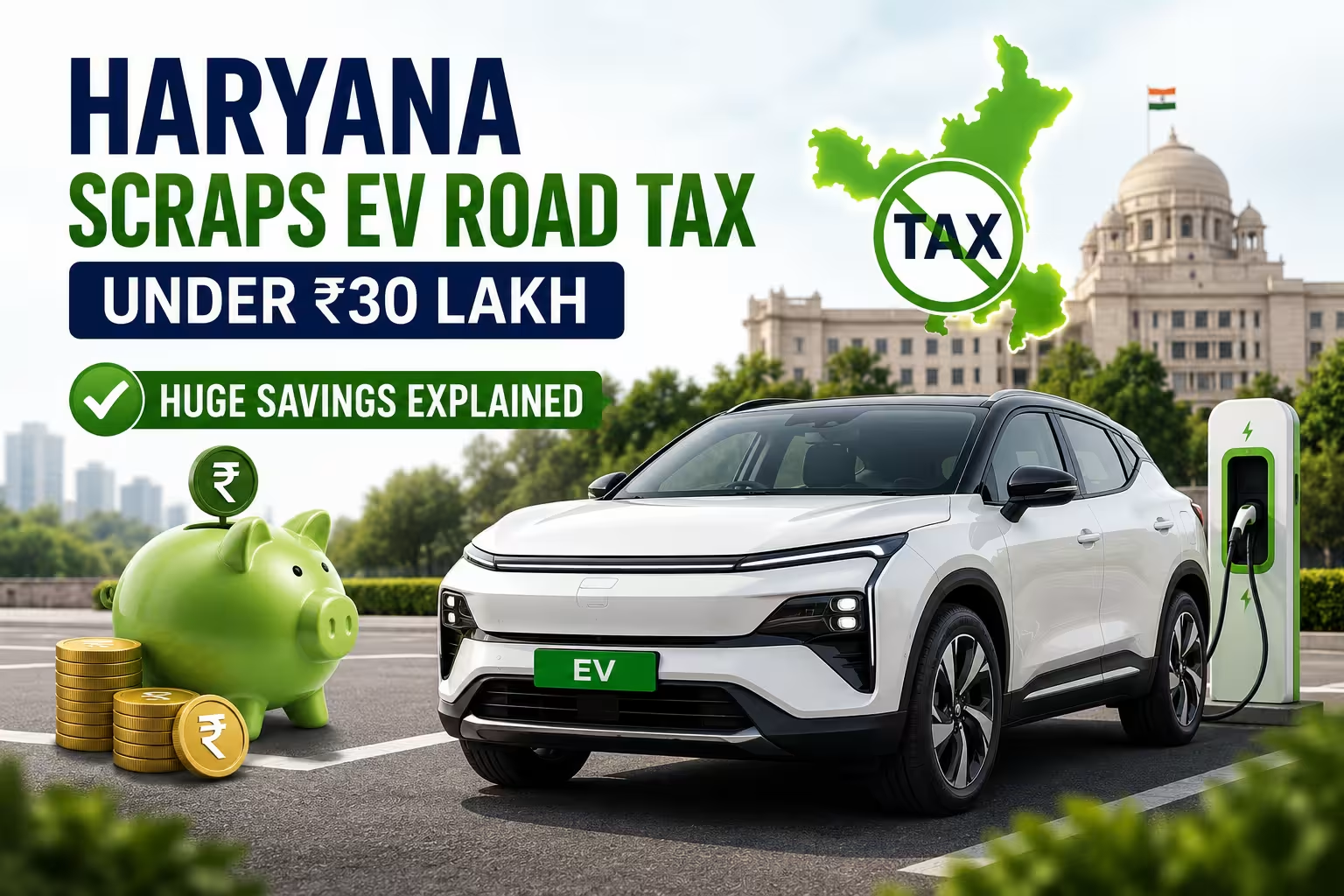
If you've been sitting on the fence about switching to an electric vehicle in Haryana, I have some stellar news for you. The Haryana government has officially approved a 100% road tax exemption for brand-new battery electric vehicles (BEVs). But there is a specific condition you should know about: this financial benefit is strictly capped for vehicles with an ex-showroom price of up to Rs. 30 Lakhs.
This isn't just a minor policy tweak buried in bureaucratic paperwork; it's a massive win for everyday car buyers looking to ditch petrol and diesel pumps. Buying a new car in India usually means handing over a hefty chunk of your hard-earned cash straight to the RTO before you even hit the tarmac. By completely wiping off the road tax on mass-market electric cars, buying an EV in Gurugram, Faridabad, or Ambala suddenly makes a whole lot more financial sense.
How Much Cash Do You Actually Keep In Your Pocket?
Let's talk numbers because that is what truly matters when you're standing in a showroom trying to decide between a traditional petrol SUV and a shiny new EV. Usually, road tax in northern states can easily eat up anywhere between 8% to 12% of a car's ex-showroom price, depending on whether it's registered under an individual or a company. Wiping that fee out completely changes the entire buying equation.
Take a popular budget electric SUV priced around Rs. 15 Lakhs as a prime example. Under normal circumstances, you'd end up paying roughly Rs. 1.2 Lakh to Rs. 1.5 Lakh just in registration fees and road tax (about time, Haryana!). With this new exemption, that entire amount stays right where it belongs — inside your bank account. If you scale that up to a premium electric car sitting right around the Rs. 28 Lakh mark, your total savings can easily touch Rs. 2.5 Lakh to Rs. 3 Lakh! That's almost equivalent to getting a high-end trim for the price of a lower variant, or putting that extra money toward installing a top-tier home charging setup with plenty left over for road trips.
This decision effectively brings the on-road price of many electric cars startlingly close to their internal combustion engine counterparts. Up until now, high initial acquisition costs were the biggest hurdle holding back buyers from taking the plug-in plunge. By trimming down the on-road markup, the government has knocked down the biggest barrier in the buyer's mind.
Which Popular EVs Qualify For This Exemption?
The beauty of this Rs. 30 Lakh ceiling is that it covers almost every high-volume, mainstream electric car currently on sale in India today. You don't need to worry about being left out if you're shopping in the practical family car space. From entry-level urban hatchbacks to feature-packed family crossovers, the list of eligible cars is stacked with fan favorites.
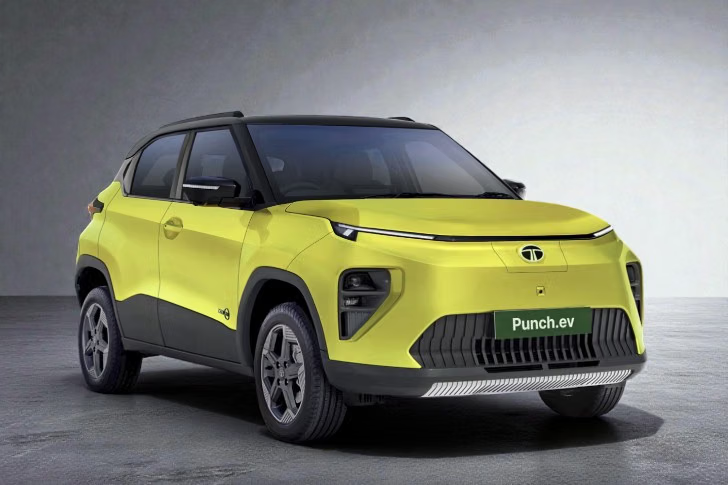
If you're shopping on a tighter budget, vehicles like the MG Comet EV, Tata Tiago EV, and Tata Punch EV become insanely attractive propositions. Moving up the ladder, market heavyweights like the Tata Nexon EV, Mahindra XUV400, and the newly launched MG Windsor EV fit comfortably under the Rs. 30 Lakh limit across all their variants. You can even stretch your budget up to the MG ZS EV or lower-tier trims of the Hyundai Kona Electric and BYD Atto 3 without missing out on the zero-tax benefit.
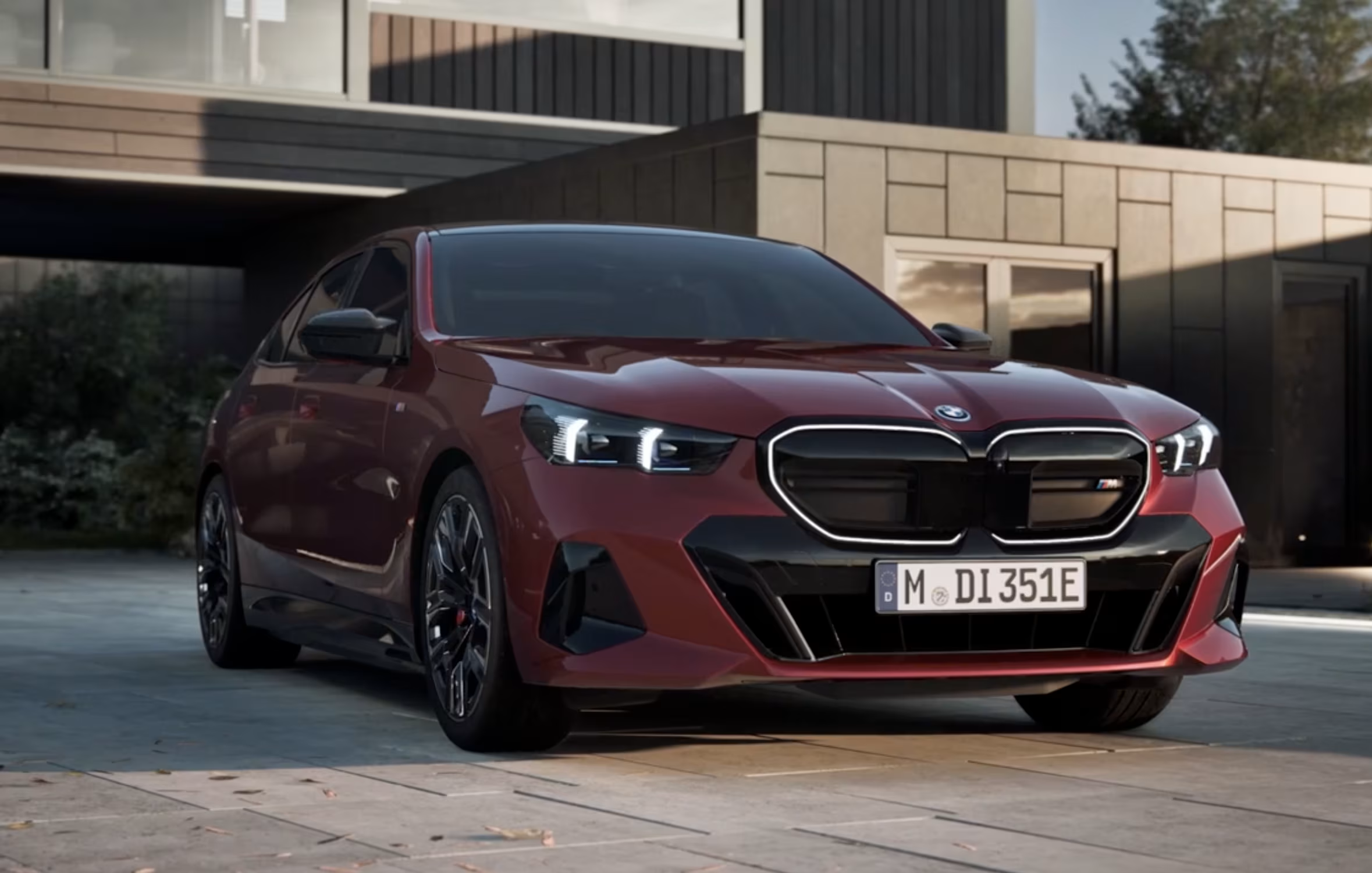
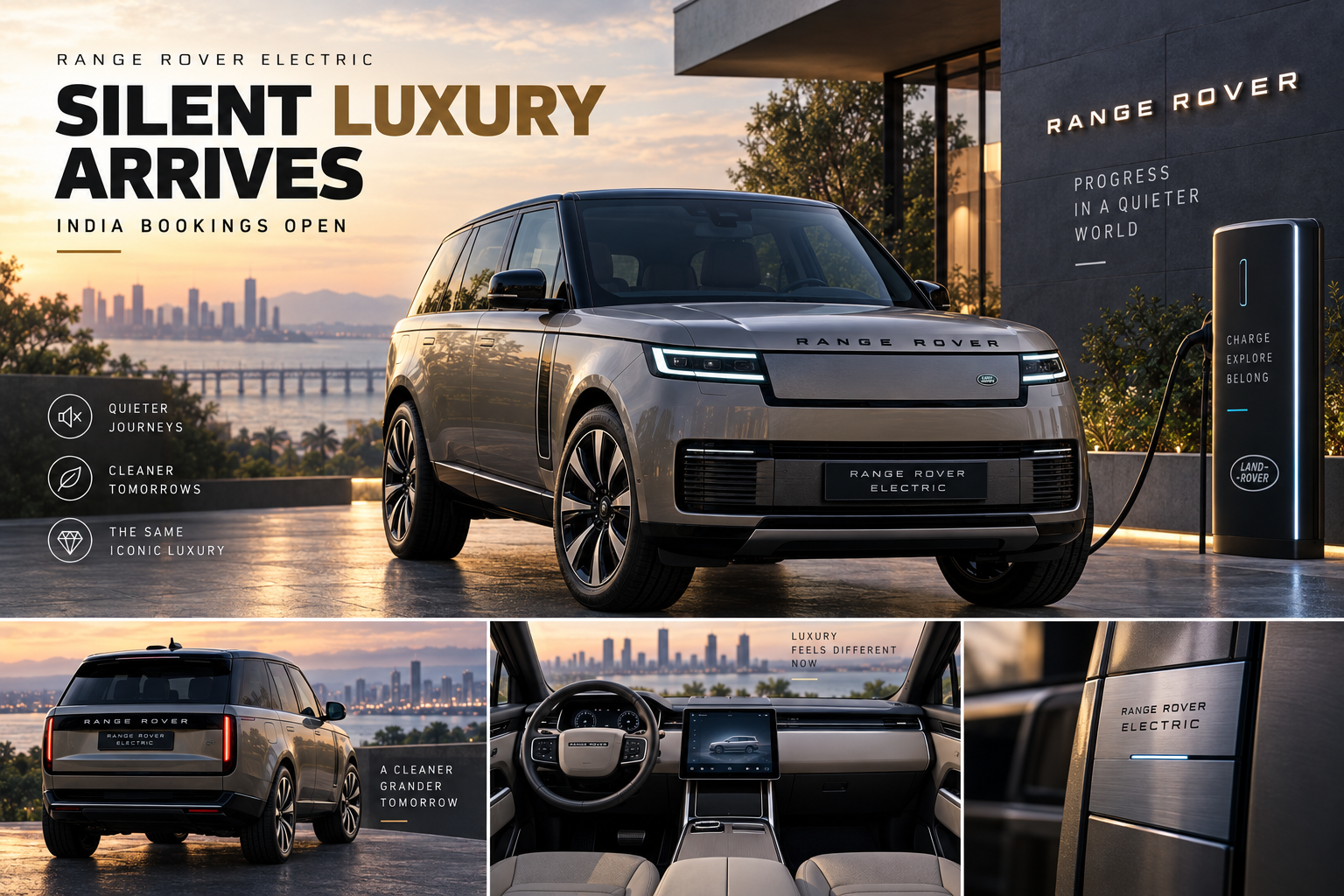
However, if you're eyeing luxury electric offerings — think along the lines of the Kia EV6, Hyundai IONIQ 5, or European luxury crossovers — you're out of luck. Those vehicles sit comfortably past the Rs. 30 Lakh threshold, meaning luxury buyers will still have to shell out full tax duties (and honestly, it shows where the government's priorities lie — favoring the common commuter over high-net-worth garage collections).
Specs At A Glance
Here is a quick snapshot of how the new Haryana EV road tax exemption policy is structured for new car buyers:
| Policy Parameter | Official Criteria / Details |
|---|---|
| Vehicle Type Eligible | Battery Electric Vehicles (BEVs) only |
| Price Cap (Ex-Showroom) | Up to Rs. 30.00 Lakhs |
| Road Tax Discount Rate | 100% (Complete Exemption) |
| Applicable Region | All RTOs across Haryana State |
| Beneficiary Target | Mass-market and mid-segment EV buyers |
| Hybrids / PHEVs Covered | No (Restricted strictly to pure electrics) |
How Does It Stack Up Against The Competition?
State EV policies across India have been a mixed bag over the last couple of years. Delhi was one of the early pioneers with its aggressive subsidies and tax exemptions, though policy extensions have seen occasional delays. Uttar Pradesh previously grabbed headlines by waiving road tax across a broad range of EVs, which caused a massive surge in EV registrations in NCR hubs like Noida and Ghaziabad.
Maharashtra and Karnataka, on the other hand, have taken a more cautious approach, occasionally altering tax brackets or capping benefits based on vehicle value. Haryana setting a clear Rs. 30 Lakh cap gives prospective buyers immediate clarity without confusing tier structures. It targets the sweet spot of the Indian car market where maximum buyers reside, making it far more practical than blanket policies with hidden caveats.
The Good And The Not-So-Good
Every policy move has its strong points and minor blind spots. Here is our breakdown of where this decision shines and where it leaves us asking for more.
What We Like
- Instant reduction in on-road prices by up to Rs. 3 Lakhs depending on the vehicle model.
- Directly benefits budget and mid-segment car buyers instead of subsidizing luxury vehicles.
- Includes all major popular EVs like Nexon EV, Windsor EV, Punch EV, and ZS EV.
- Encourages faster adoption of clean mobility across major NCR cities like Gurugram and Faridabad.
What Could Be Better
- Hybrid vehicles (HEVs) are left out, which could have helped buyers in areas with poor charging infrastructure.
- Vehicles priced just above Rs. 30 Lakhs face a steep cliff in tax duties without a sliding scale.
Price & When You Can Buy It
The full road tax waiver applies directly to new registrations processed through Haryana RTOs following the official government notification. Since the tax exemption is calculated directly at the RTO level during registration, buyers won't have to deal with tedious cash-back processes or wait months for government subsidy refunds to hit their bank account.
Dealer networks across Haryana are already updating their price charts to reflect zero road tax for eligible vehicles. If you are currently negotiating a deal on an electric vehicle in NCR cities like Gurugram or Faridabad, make sure your dealer quotes the revised zero-tax on-road price sheet before you sign on the dotted line.
Our Verdict
Look, buying an electric car in India has always required a bit of a leap of faith. Between public charging anxiety and higher upfront sticker prices, convincing family members to pick a battery over a proven petrol engine hasn't been easy. But when a state government hands you savings worth a couple of lakhs right at the buying stage, the math suddenly tips heavily in favor of the EV.
Here's the thing — if you live in Haryana and commute daily through heavy NCR traffic, this policy update makes buying an electric car under Rs. 30 Lakhs a complete no-brainer. You save big at the RTO, cut down your monthly running costs to a fraction of petrol cars, and enjoy a silent, smooth drive every single day.