What's The Big News?
Bhai logon, listen up! Mahindra, the OG SUV maker in India, isn't just sitting back and watching the EV wave. They're jumping in, headfirst, but with a strategy that's a bit different, a bit more 'desi-market-smart,' if you ask me. We're hearing whispers – strong whispers, mind you – about a comprehensive new electrification strategy that aims to tackle range anxiety and fuel economy head-on, not just with pure electrics but with a mix of tech.
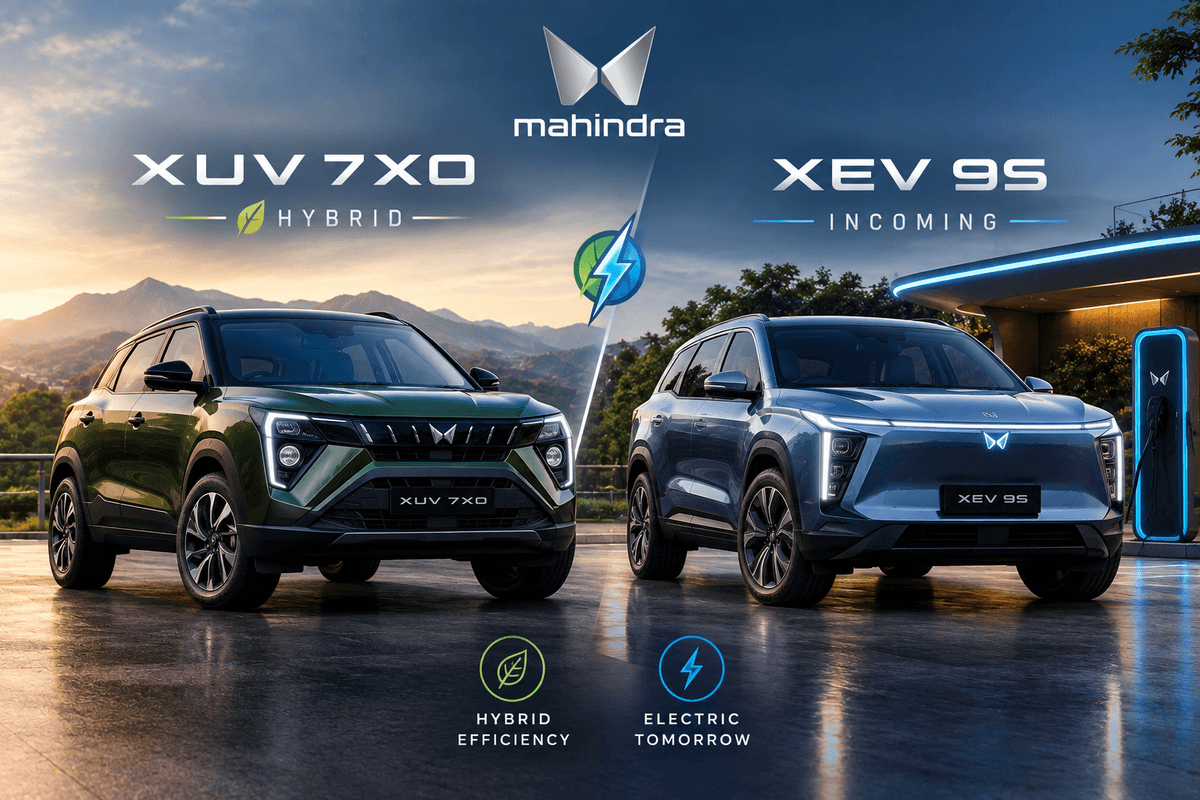
The big reveal, the real garam khabar, is that Mahindra is deep into developing two very interesting new vehicles: a hybrid version of what looks like their popular XUV700, potentially called the XUV 7XO, and an entirely new range-extender electric vehicle, the XEV 9S. This isn't just about launching another EV; it's about giving Indian buyers more practical, accessible options as we transition towards a greener future. It's a calculated risk, but one that could pay off big time.
The Hybrid Advantage: XUV 7XO Joins the Fray
First up, let's talk about the XUV 7XO Hybrid. We all know how much Indians love their SUVs, and the XUV700 is already a blockbuster. Now, imagine that same commanding presence, that same feature-packed cabin, but with a powertrain that sips fuel like a chai-lover sips their morning brew. That's the promise of a hybrid, right?
Bringing a strong hybrid to a mid-size SUV segment like this is a smart play. Maruti and Toyota have shown us the potential with the Grand Vitara and Hyryder, especially in city driving where hybrids shine. Mahindra's version, likely built on the robust XUV700 platform, could offer a fantastic balance of power, range, and economy, making it a compelling choice for those who aren't quite ready for a full EV but want to save on fuel bills. It's about expanding the appeal of an already successful model, offering an alternative to traditional petrol and diesel engines that are slowly, but surely, being phased out.
Range Anxiety? XEV 9S Has a Solution
Now, this is where it gets really interesting – the XEV 9S Range-Extender. For many, the biggest hurdle to buying an EV isn't the upfront cost as much as it is 'range anxiety.' What if I run out of charge? What about charging infrastructure on long trips? A range-extender EV (REx EV) tackles exactly that.
Essentially, a REx EV runs on an electric motor, just like a pure EV. But it carries a small petrol engine onboard, not to power the wheels directly, but to act as a generator, charging the battery when it runs low. Think of it like a portable power bank for your car. This means you get the silent, torque-y goodness of an EV for your daily commutes, and for those highway runs to the village, you've got the petrol generator as a backup, letting you pull into any petrol pump for a quick top-up. No need to hunt for an EV charger in the middle of nowhere. This could be a game-changer for tier-2 and tier-3 cities where EV charging infrastructure is still playing catch-up (and honestly, it shows).
Specs At A Glance
Alright, you know me, I love my spec sheets. But here's the kicker: these vehicles are still under wraps, deep in development. So, specific numbers are a closely guarded secret. What we do know, or at least what's strongly hinted, points to this:
Feature | XUV 7XO Hybrid | XEV 9S Range-Extender |
|---|---|---|
Vehicle Type | Mid-size SUV | Coupe SUV (expected) |
Powertrain | Strong Hybrid | Electric with Range-Extender |
Platform | Derived from XUV700 | Dedicated EV platform (likely INGLO) |
Launch Timeline | TBA | TBA |
Expected Range | Improved fuel economy over ICE | Extended EV range with generator backup |
How Does It Stack Up Against The Competition?
Mahindra isn't entering an empty playground. The hybrid space already has strong contenders. The XUV 7XO Hybrid will directly compete with the Maruti Grand Vitara Strong Hybrid and Toyota Urban Cruiser Hyryder, which are already popular for their efficiency. Mahindra's challenge will be to offer a more premium, feature-rich, and perhaps more powerful package to justify its likely higher price point. If they can bring their A-game in terms of driving dynamics and interior quality, they stand a good chance.
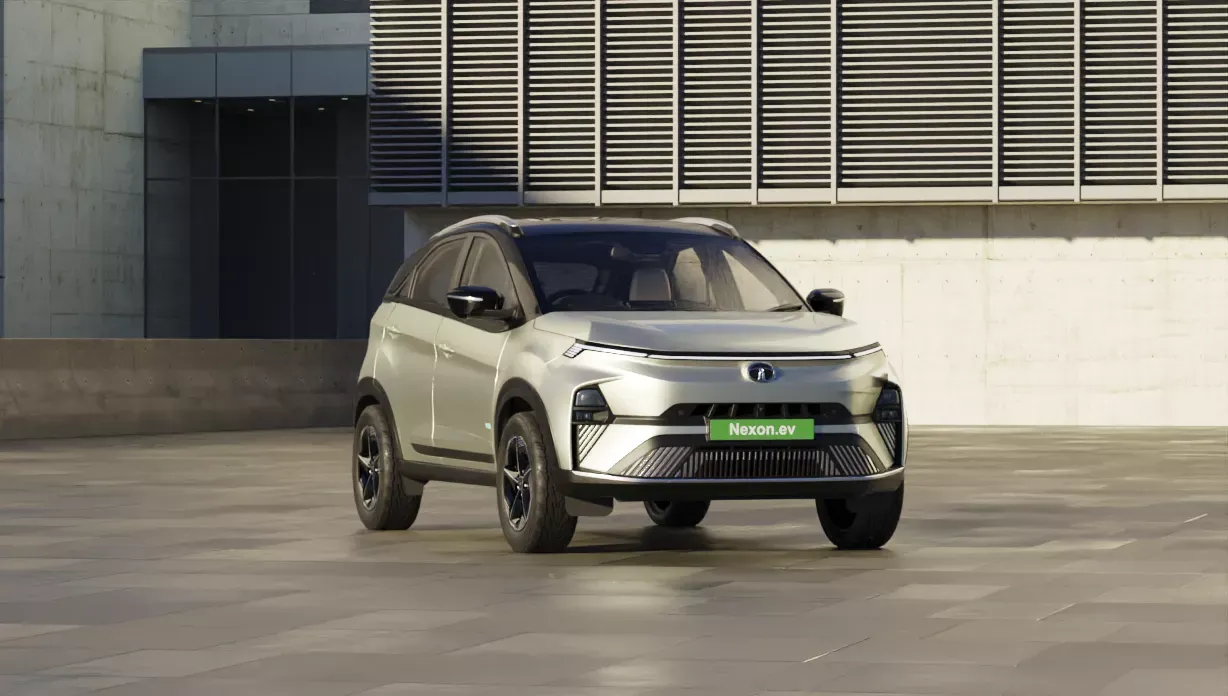
The XEV 9S Range-Extender, on the other hand, is a bit of a unique proposition in the Indian market right now. It won't have direct REx rivals, but it will compete indirectly with popular pure EVs like the Tata Nexon EV Max, MG ZS EV, and upcoming Maruti eVX. Its unique selling point will be the freedom from charging anxieties, which could sway buyers who are on the fence about going fully electric. The key will be how seamless the range-extender system feels and how competitive the overall package is against pure EVs offering decent real-world range.
The Good And The Not-So-Good
What We Like
- Diverse Electrification: Mahindra isn't putting all its eggs in one basket. Offering hybrids and REx EVs tackles different buyer needs.
- Addressing Range Anxiety: The XEV 9S Range-Extender is a smart solution for those hesitant about pure EVs.
- Leveraging Success: Building a hybrid on the XUV700 platform means instant brand recognition and trust.
- Forward-Thinking: This strategy shows Mahindra is serious about the future of mobility in India, moving beyond just diesel.
What Could Be Better
- Market Education: Range-extender EVs are new to the mass market here; Mahindra will need a strong campaign to explain the tech.
- Potential Price Premium: New technology often means a higher sticker price, which could be a barrier for some.
- Launch Timelines: These are 'under development,' meaning we could be waiting a while to see them on roads.
- Complexity: More moving parts (engine + electrics) can sometimes mean more potential maintenance points, though modern tech is quite reliable.
Price & When You Can Buy It
Here's the million-dollar question, or rather, the 'kitne ka hoga' question. Since both the XUV 7XO Hybrid and XEV 9S Range-Extender are still under development, Mahindra hasn't hinted at any official pricing or launch dates. What we can expect is that these new technologies will likely command a premium over their conventional counterparts.
Given Mahindra's positioning, the XUV 7XO Hybrid could be priced competitively against other strong hybrids in the mid-size SUV segment, possibly in the ₹18-25 lakh (ex-showroom) range, but that's just a guess. The XEV 9S, being a more advanced electric vehicle, would likely sit higher, potentially in the ₹22-30 lakh (ex-showroom) bracket. But again, these are purely speculative. Official pricing and launch timelines will be announced closer to their actual market introduction, which, honestly, could still be a year or two away.
Our Verdict
Look, Mahindra's new electrification strategy, bringing in both hybrids and range-extender EVs, is a strong statement. They're not just chasing the EV trend; they're trying to make it practical and palatable for a wider Indian audience. The XUV 7XO Hybrid could be a fantastic fuel-efficient option for those who love their big SUVs, while the XEV 9S Range-Extender could be the bridge many need to cross over to electric mobility without the nagging fear of running out of juice. Honestly, this diversified approach, leveraging their SUV expertise, makes a lot of sense for a market as unique and evolving as India's. It's smart, it's timely, and it positions Mahindra as a serious player in the next generation of Indian automobiles. Let's hope the execution lives up to the promise.